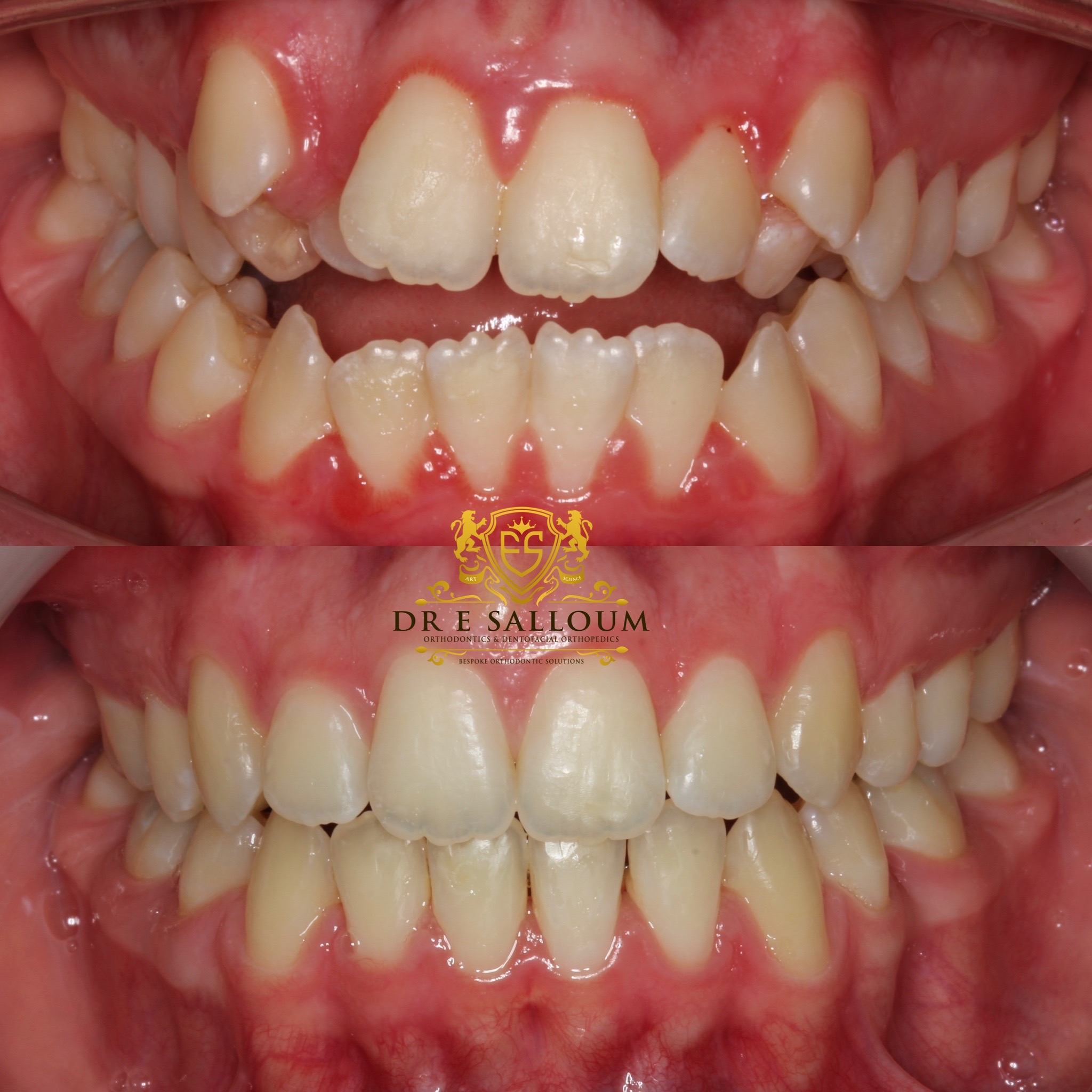
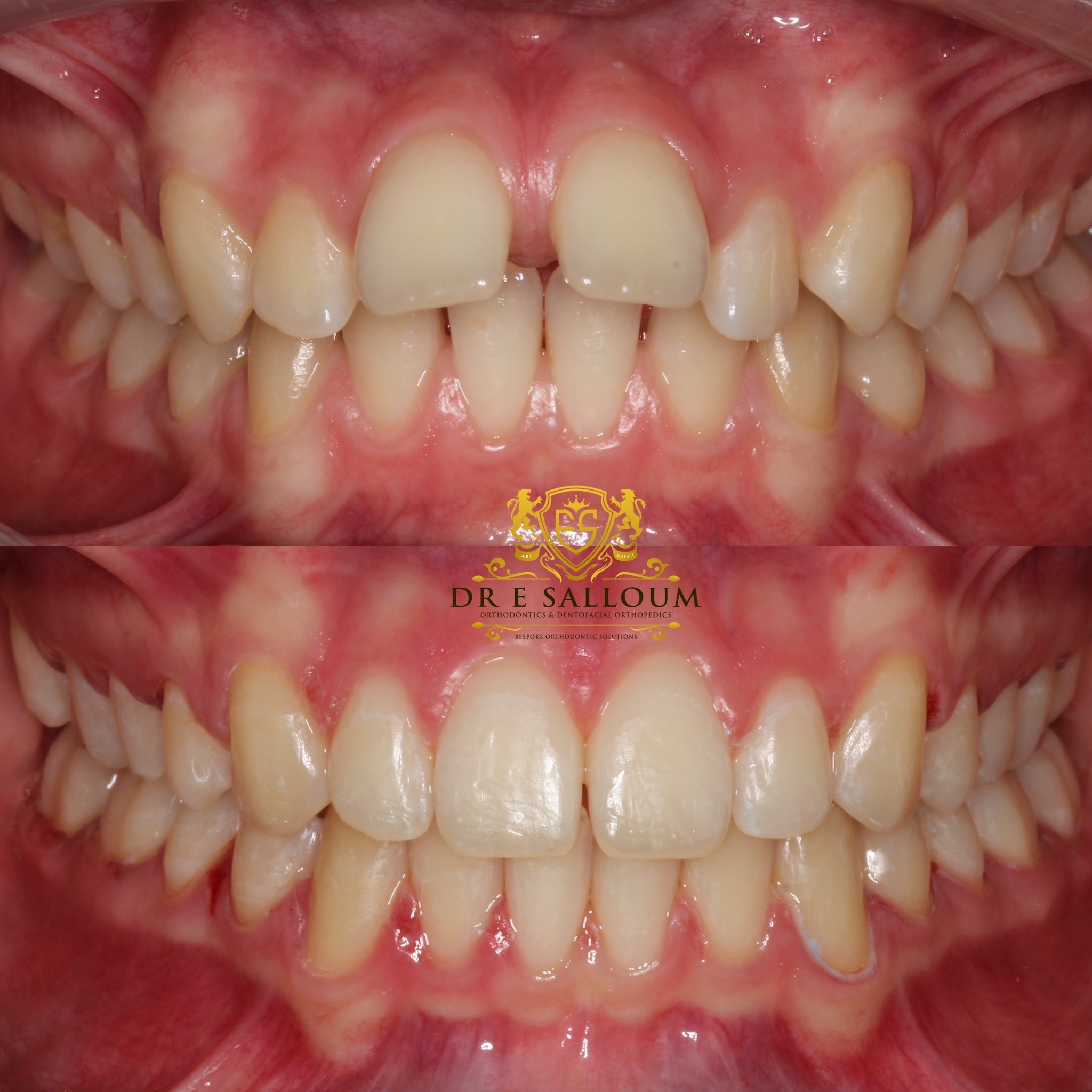
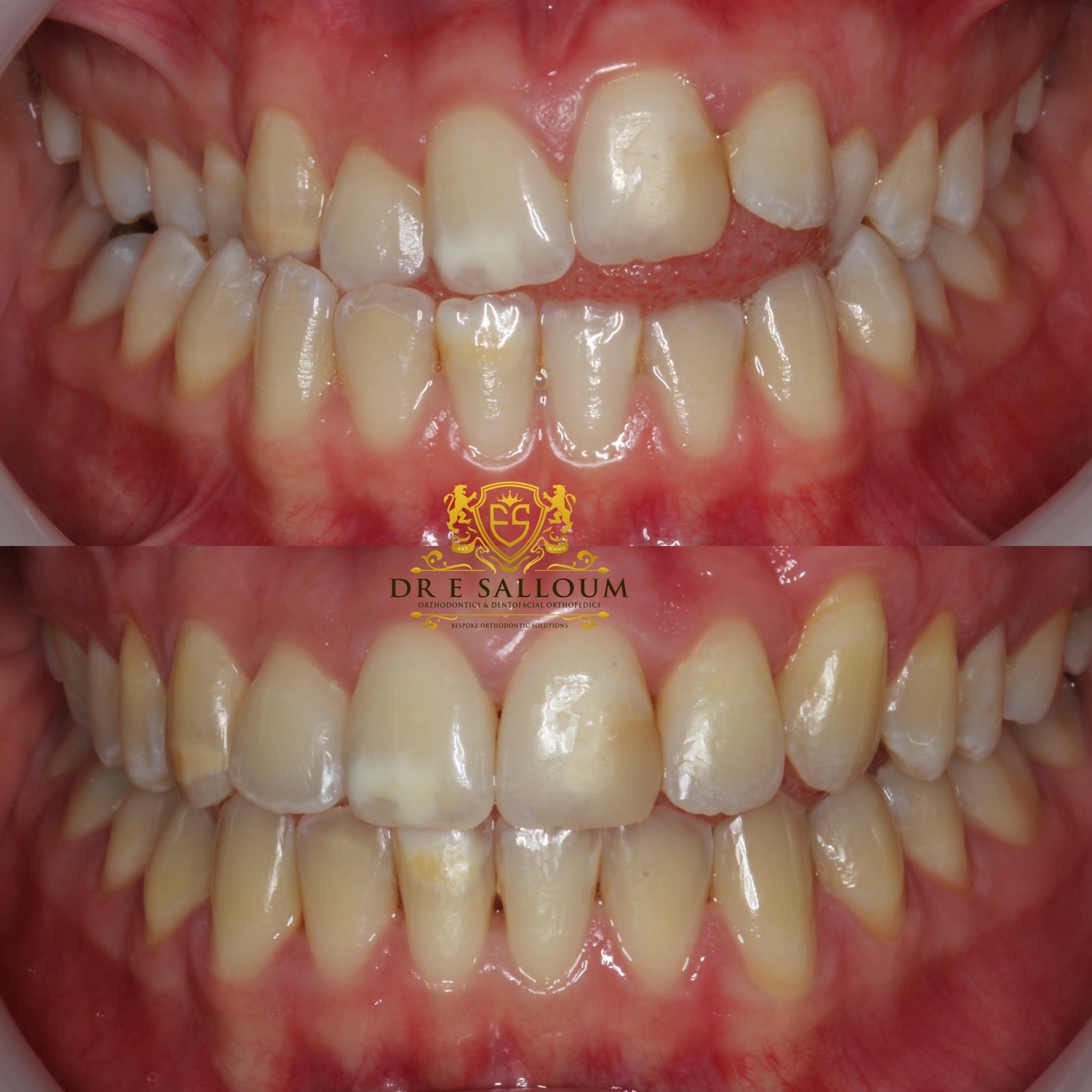
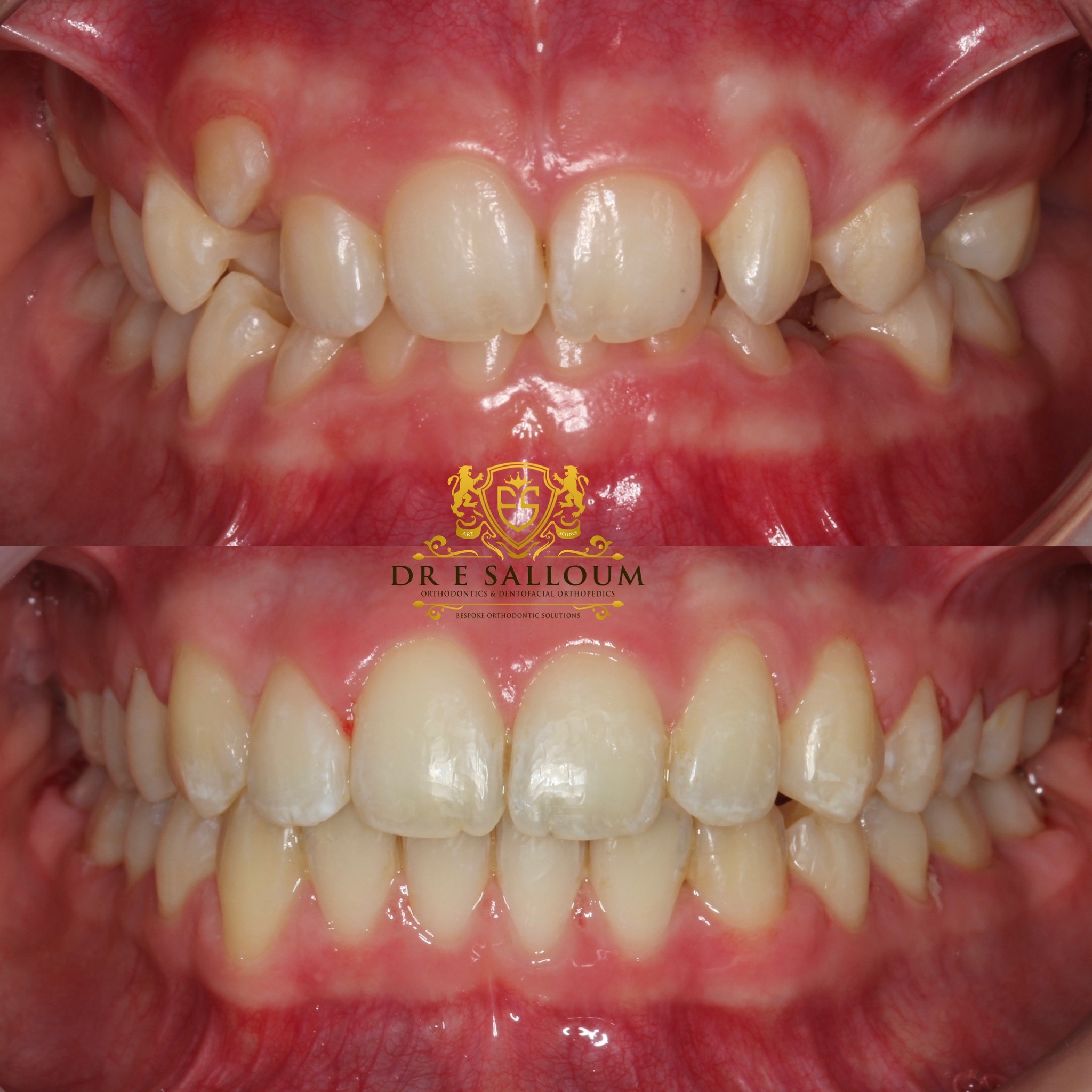
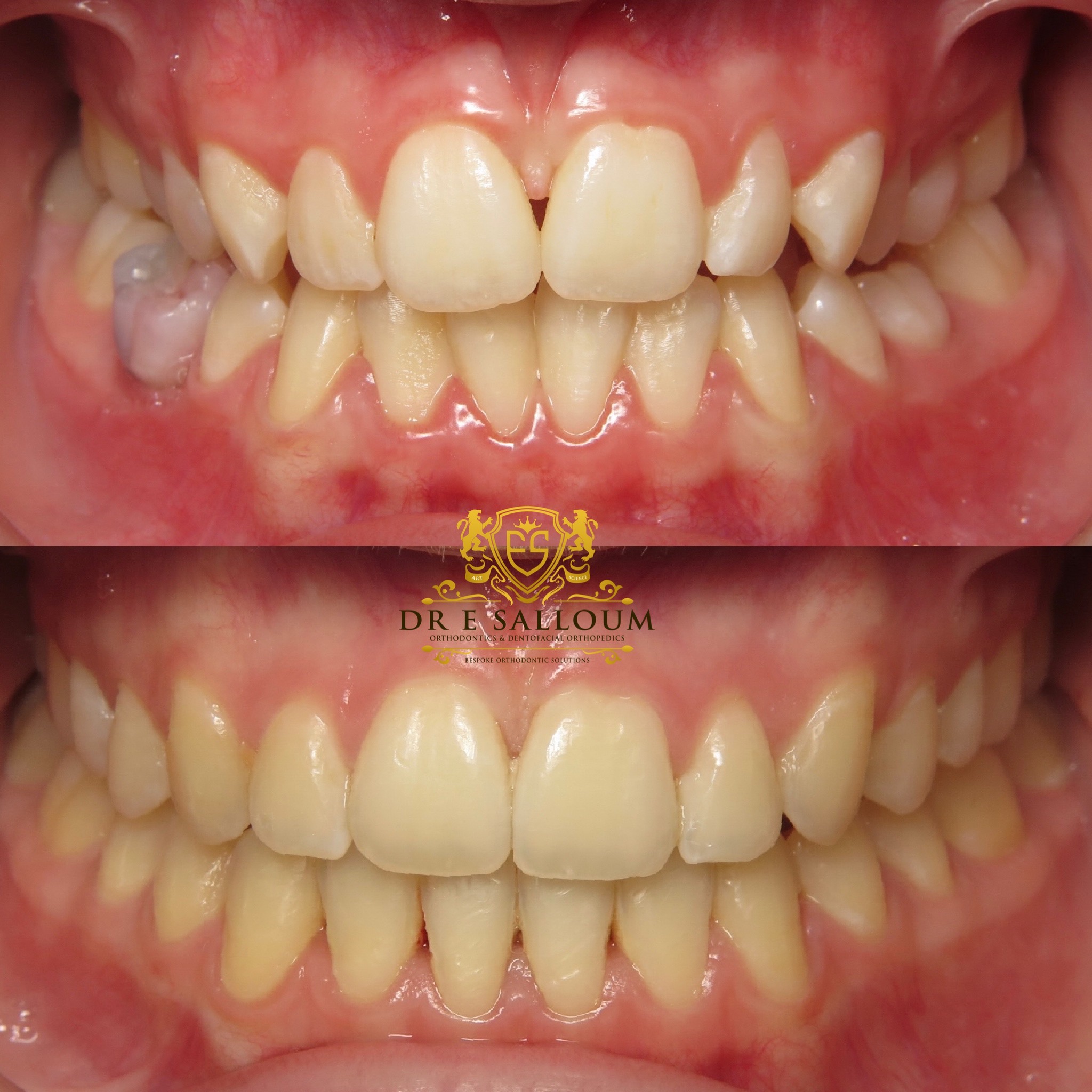
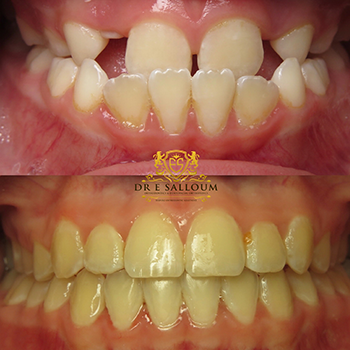
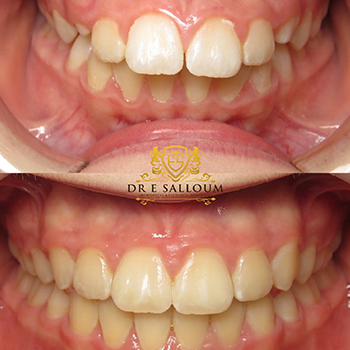
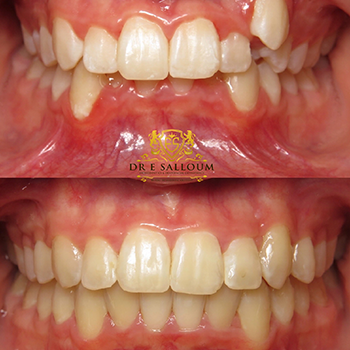
Orthodontic treatment is not only about straightening teeth. If you have gum recession or gum disease, you may wonder whether braces or aligners are safe for you. In most cases, orthodontic treatment is possible, but it requires careful planning and close coordination between your orthodontist and periodontist.
When gums are healthy and stable, orthodontic treatment can improve both tooth alignment and long-term gum health. However, untreated gum disease must always be addressed before treatment begins.
Gum recession occurs when the gum tissue pulls away from the tooth, exposing more of the tooth or its root. Common causes include:
Receding gums can cause sensitivity, increase the risk of decay, and weaken tooth support if left untreated.
Gum disease is caused by bacterial plaque buildup and develops in stages:
Orthodontic treatment should only start once gum disease is treated and stabilised.
The answer depends on how severe the gum problem is and how well it is controlled.
Orthodontic treatment is usually safe when recession is mild and the gums are otherwise healthy. In some cases, moving teeth into better positions can reduce stress on the gums and improve oral hygiene.
Treatment may still be possible, but it requires extra caution. A periodontist may recommend a gum graft before or during orthodontic treatment to protect the roots and improve long-term stability.
Orthodontic treatment should not begin while gum disease is active. Tooth movement during this phase can worsen bone loss and gum damage. Once the disease is treated and stable, orthodontic options can be reviewed.
When planned correctly, orthodontic treatment can support gum health by:
Before starting treatment, your orthodontist will assess gum health using X-rays and periodontal records. This helps evaluate:
Although clear aligners are removable, fixed braces are often safer for patients with significant gum disease or bone loss.
Aligners may still be suitable in mild cases with excellent oral hygiene.
When bone support is reduced, orthodontists usually move teeth more slowly to reduce stress on the gums and supporting structures.
Regular professional cleaning and monitoring remain essential throughout orthodontic treatment.
Most patients with gum recession or a history of gum disease can still undergo orthodontic treatment safely. The key is stabilising gum health first and planning treatment carefully. When done correctly, orthodontics can improve bite function, tooth stability, and long-term gum health.
With a coordinated approach and specialist care, it is often possible to achieve a healthy, stable smile without compromising periodontal support.
Back to Blog
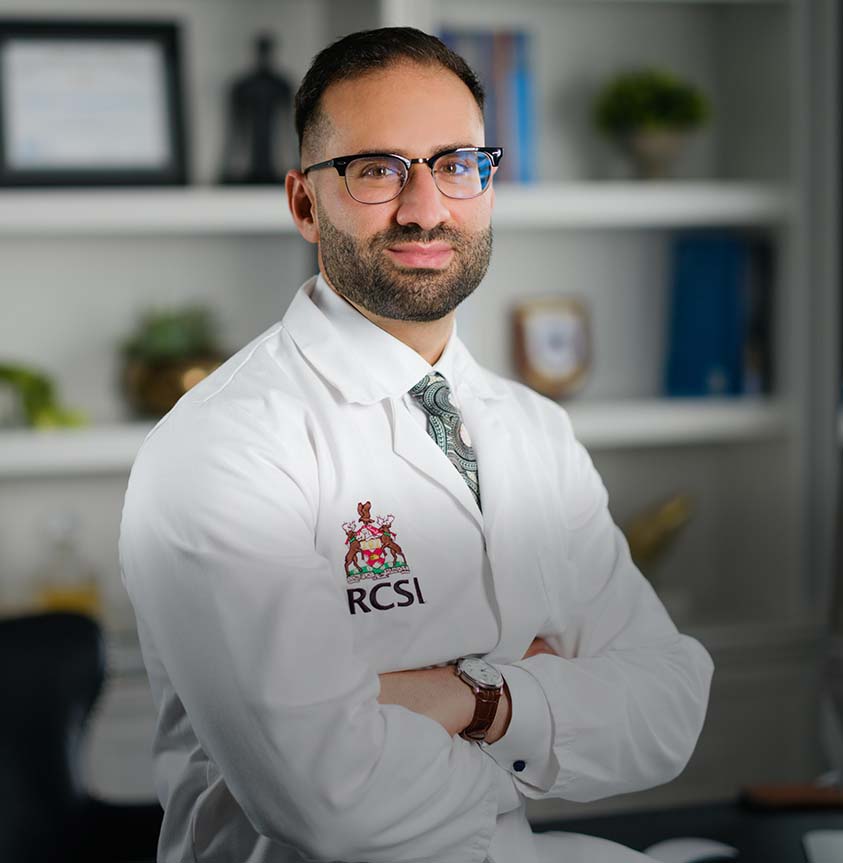
I recommend and prescribe orthodontic treatments to my patients as if they were my own family and I value meaningful relationships based on communication, confidence and trust.

“We highly recommend Dr Erfan Sallom, he transformed our daughter's teeth and she’s extremely happy with her beautiful smile! We were looking for a Orthodontist...”

“I was very anxious about orthodontic treatment and as such delayed it for years. I had no need to be nervous with the expertise and...”
“I would really recommend anyone to Dr Erfan Salloum, my experience with Erfan was amazing. I had no issue he was very knowledgeable about his...”
“I have just finished my two year orthodontic treatment with Dr Erfan and I would highly recommend. He explained everything perfectly about the treatment plan...”