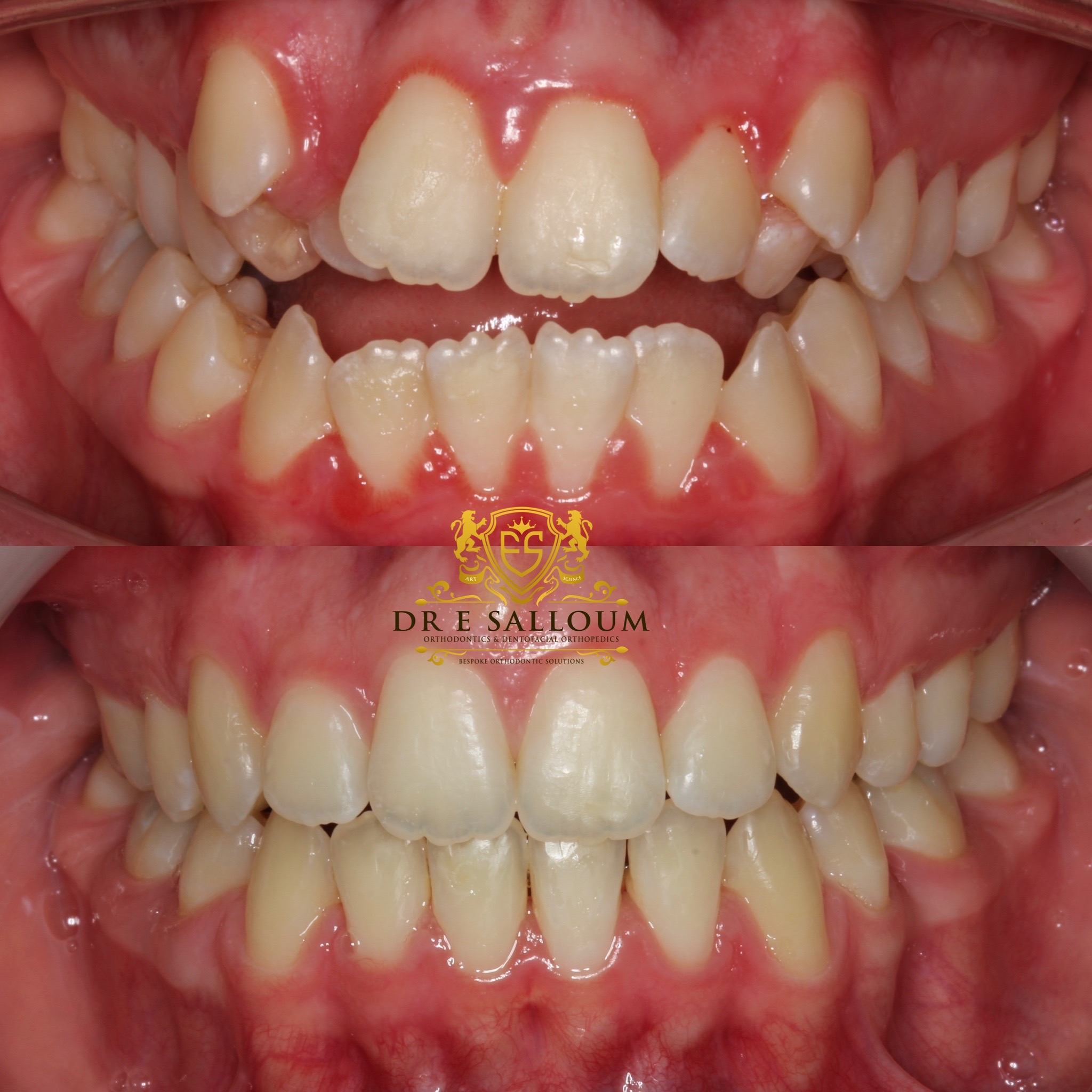
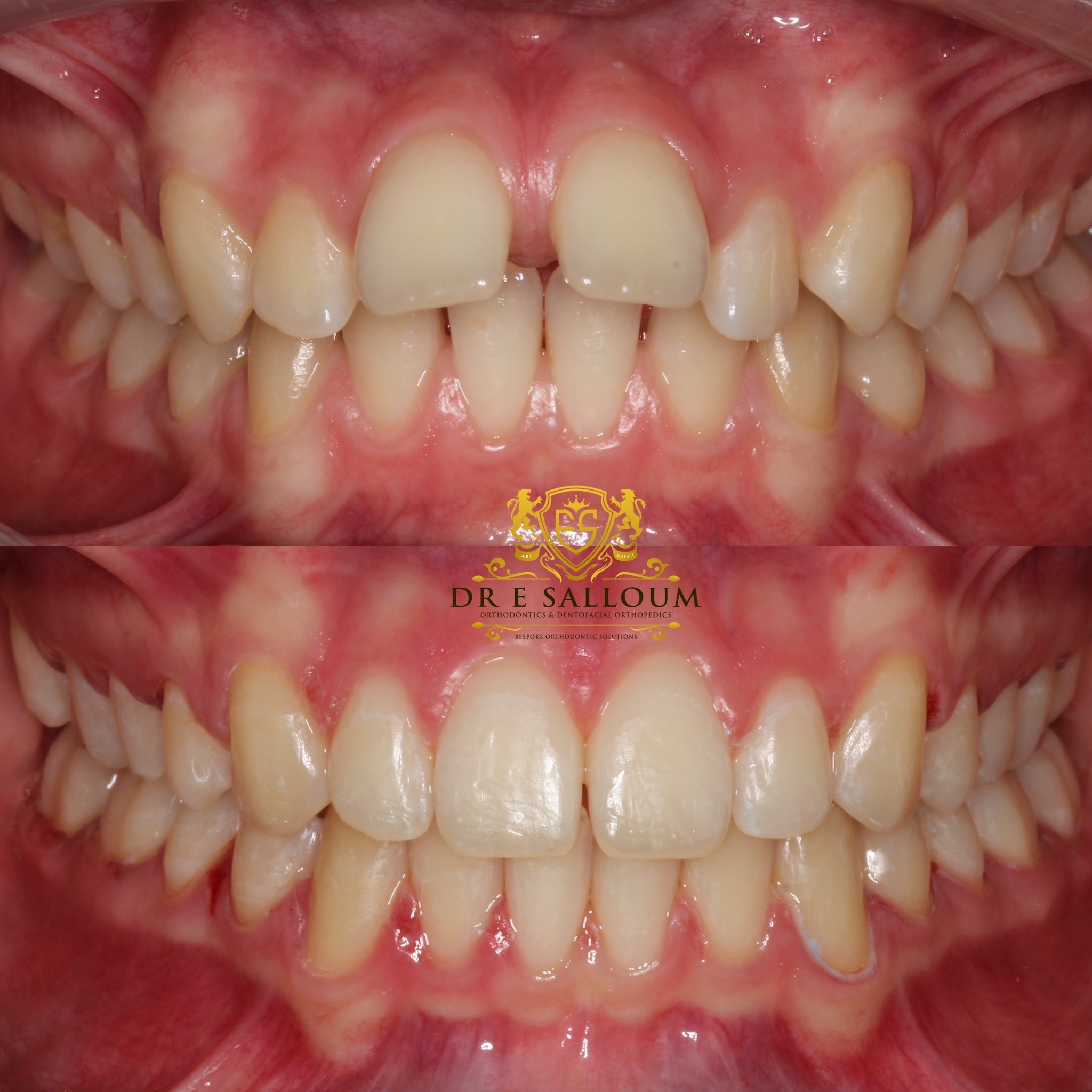
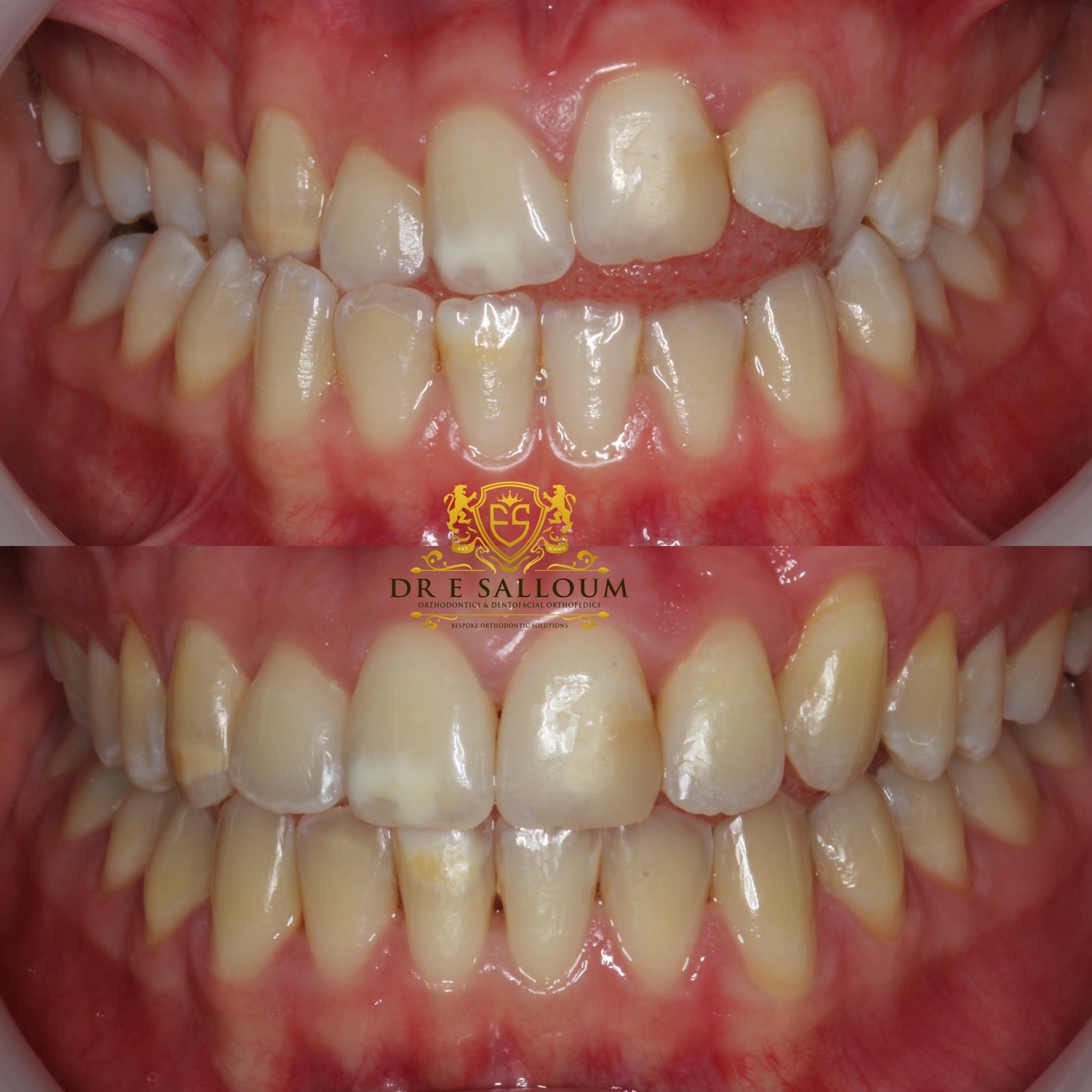
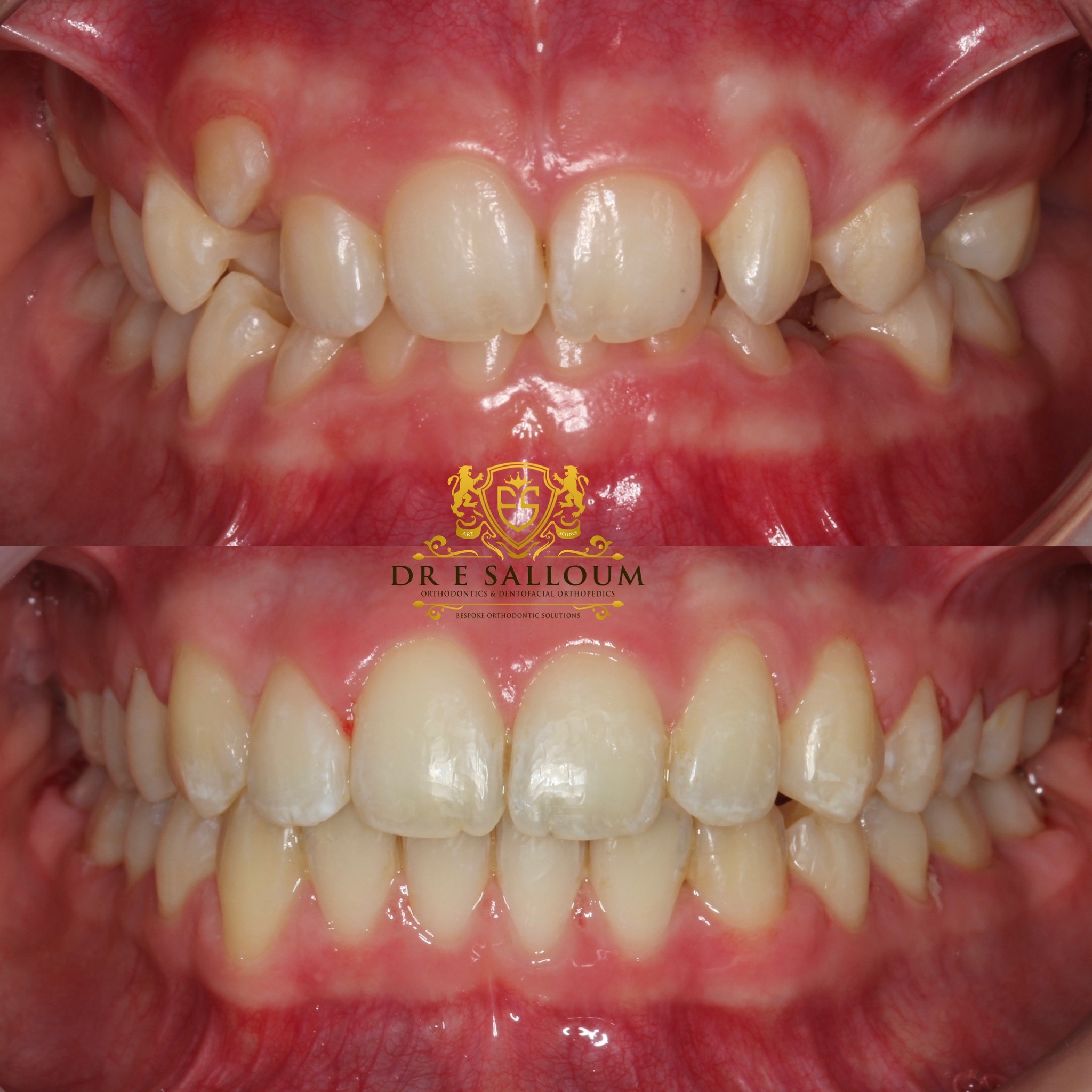
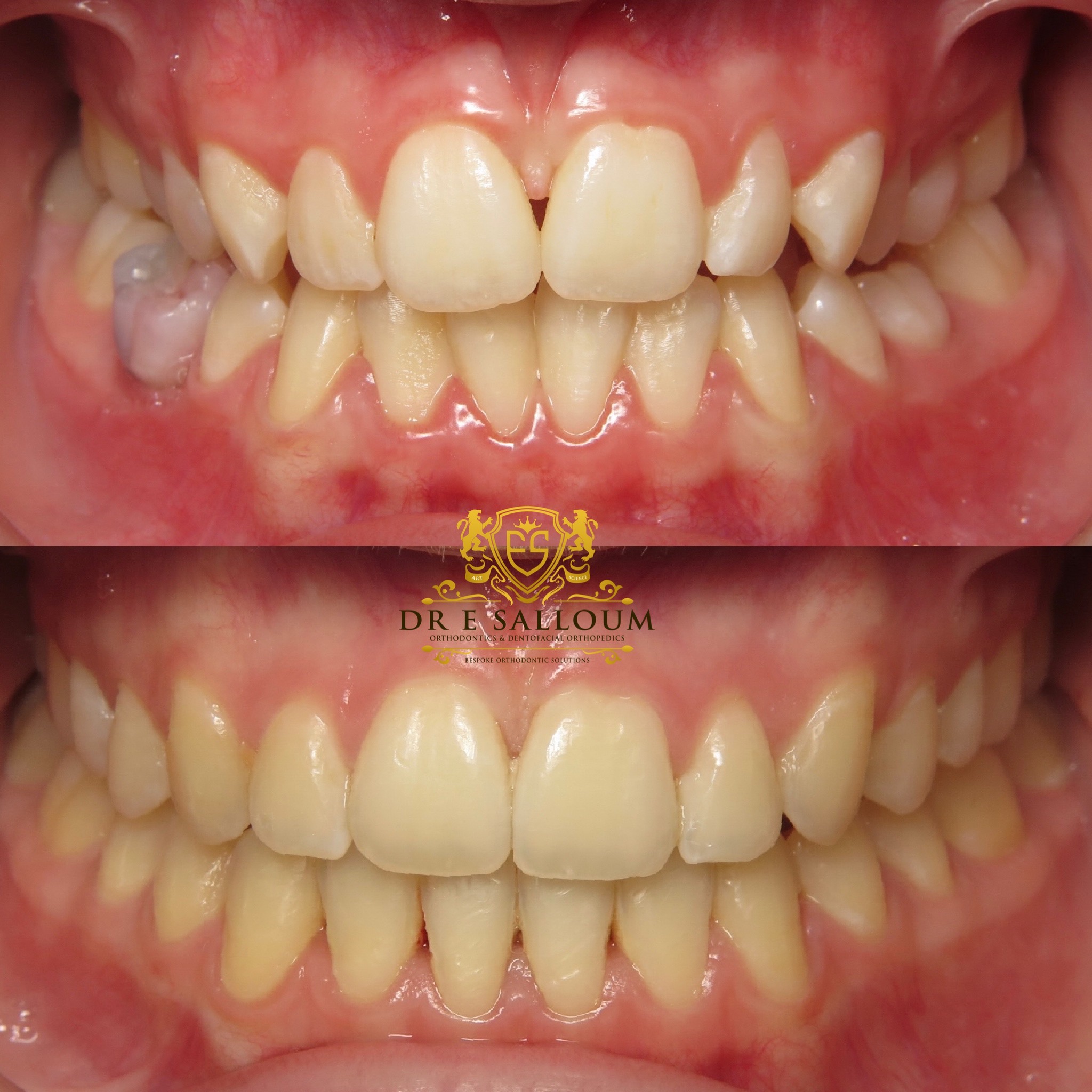
If you are looking for invisible orthodontic treatment and are interested in lingual braces, you have come to the right place. While I provide all types of orthodontic treatment, I have developed a particular specialist interest in lingual braces. Over the years, I have become the largest provider of lingual orthodontics in Ireland and one of the largest in Europe. My focus has never been only on numbers or experience, but more importantly on quality of care and clinical standards. This commitment is reflected in achieving Active Membership of both the European Society of Lingual Orthodontics and the World Society of Lingual Orthodontics. These memberships require rigorous peer assessment of treated cases and clinical outcomes by internationally recognised leaders in lingual orthodontics.
Click here to watch this short video.
When patients come to see me looking for truly invisible orthodontic treatment in Dublin, lingual braces are often the best option. Lingual braces are fixed orthodontic appliances that attach to the inner (lingual) surface of the teeth, facing the tongue. Because they sit behind the teeth, they remain completely hidden when you smile or speak.
Unlike clear aligners or ceramic braces, lingual braces stay invisible throughout the entire course of treatment while still providing the precision and control of fixed orthodontic appliances. For many patients seeking hidden braces in Dublin, lingual braces provide the ideal balance between aesthetics and effective orthodontic treatment.
Lingual braces work in the same way as traditional braces, but instead of placing them on the front surfaces of the teeth, I attach them to the inner surfaces of the teeth. Because of this unique position, people often refer to them as:
Each lingual appliance I use is custom-designed for the individual patient, which allows extremely precise control of tooth movement. This level of customisation becomes particularly important when treating more complex orthodontic problems that require precise control of tooth movement and bite correction.
Many patients searching for lingual braces in Dublin or Ireland recognise the name Incognito braces, one of the original customised lingual orthodontic systems. Over the past two decades, lingual orthodontics has evolved significantly. Today, the most advanced system available is the WIN Lingual Braces system, which is the improved version of Incognito, both are developed by Professor Wichmann.
The WIN system uses advanced digital technology to design fully customised braces for each patient. This allows me to achieve:
Because each appliance is individually manufactured, lingual braces provide a level of accuracy that conventional orthodontic appliances rarely achieve.
Lingual orthodontics represents one of the most technically demanding areas of orthodontic treatment and requires specialised training and experience. I practise as a specialist orthodontist in Dublin, and lingual orthodontics forms one of my main clinical interests. I am currently:
At present, I remain the only orthodontist in Ireland who holds active membership in both the European and World Lingual Orthodontic Societies. To obtain active membership in these societies, orthodontists must pass a rigorous clinical examination that demonstrates advanced expertise in lingual orthodontic treatment. In addition to treating a high number of lingual orthodontic cases each year, I regularly attend international lingual orthodontic congresses and scientific meetings worldwide to ensure that my patients receive lingual orthodontic treatment delivered to the highest international standards.
Modern lingual braces, such as the WIN system,m are smaller and more comfortable than earlier lingual appliances. At the start of treatment, some patients may notice:
These effects are temporary and usually improve within one to two weeks as the tongue adapts to the braces. Most patients adjust within 3 weeks and can eventually speak and eat with no issues.
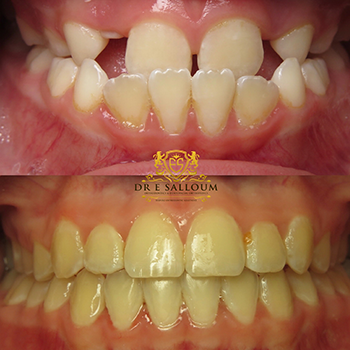
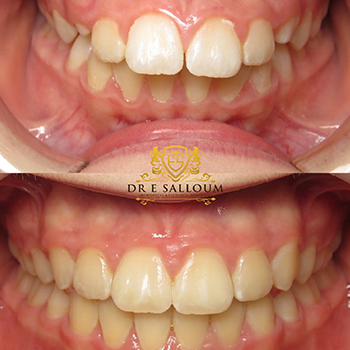
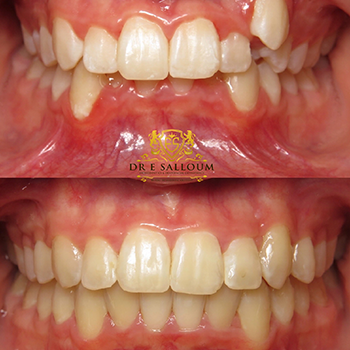
I use lingual braces to treat a wide range of orthodontic problems, from simple alignment issues to complex bite discrepancies. Lingual braces can treat:
Lingual braces also work well for patients with significant bite discrepancies, including severe overjets or underbites. Some patients present with significant transverse (width) discrepancies between the upper and lower jaws. In these situations, orthodontic treatment with lingual braces with expansion and compression customised arch wires can replace the more invasive MARPE or SARPE treatments in selected cases.
Once expansion corrects the skeletal width discrepancy, I can use lingual braces as part of the comprehensive orthodontic treatment to align the teeth and optimise the final bite. Because lingual braces are fully customised, they provide exceptional precision and often treat cases that removable aligners struggle to manage.
Lingual braces represent a highly effective and efficient orthodontic technique, but they also require significant technical expertise. For this reason, patients should seek treatment from a specialist orthodontist who has extensive experience using lingual appliances.
Lingual braces involve different biomechanical principles, treatment planning strategies, and clinical techniques compared with conventional braces. If the clinician lacks experience with these techniques, treatment may become unsuccessful. This explains why some dentists or orthodontists who do not routinely provide lingual treatment may discourage patients from considering lingual braces.
When an experienced orthodontist provides treatment, lingual braces become one of the most precise and discreet orthodontic systems available today.
In addition to their aesthetic advantages, lingual braces may offer certain oral health benefits. Because they sit behind the teeth, and the enamel there is thicker, this will reduce the risk of visible enamel decalcification or white spot lesions that sometimes appear with conventional braces when oral hygiene is suboptimal. As with any orthodontic treatment, excellent oral hygiene remains essential throughout treatment.
Lingual braces remain particularly popular among adult patients seeking orthodontic treatment in Dublin.
Many adults want to improve their smile but prefer treatment that does not involve visible braces.
Lingual braces commonly appeal to:
Because lingual braces are fixed appliances, they work continuously and do not depend on patient compliance in the same way removable aligners do.
If you are considering lingual braces in Dublin or hidden braces behind the teeth, the best first step is to attend a consultation so that I can assess your teeth and bite properly.
During your consultation, I will:
Orthodontic treatment is highly individual, and a personalised treatment plan ensures the best long-term outcome. Lingual braces allow patients to achieve excellent orthodontic results while keeping their treatment completely hidden throughout the process.

“We highly recommend Dr Erfan Sallom, he transformed our daughter's teeth and she’s extremely happy with her beautiful smile! We were looking for a Orthodontist...”

“I was very anxious about orthodontic treatment and as such delayed it for years. I had no need to be nervous with the expertise and...”
“I would really recommend anyone to Dr Erfan Salloum, my experience with Erfan was amazing. I had no issue he was very knowledgeable about his...”
“I have just finished my two year orthodontic treatment with Dr Erfan and I would highly recommend. He explained everything perfectly about the treatment plan...”