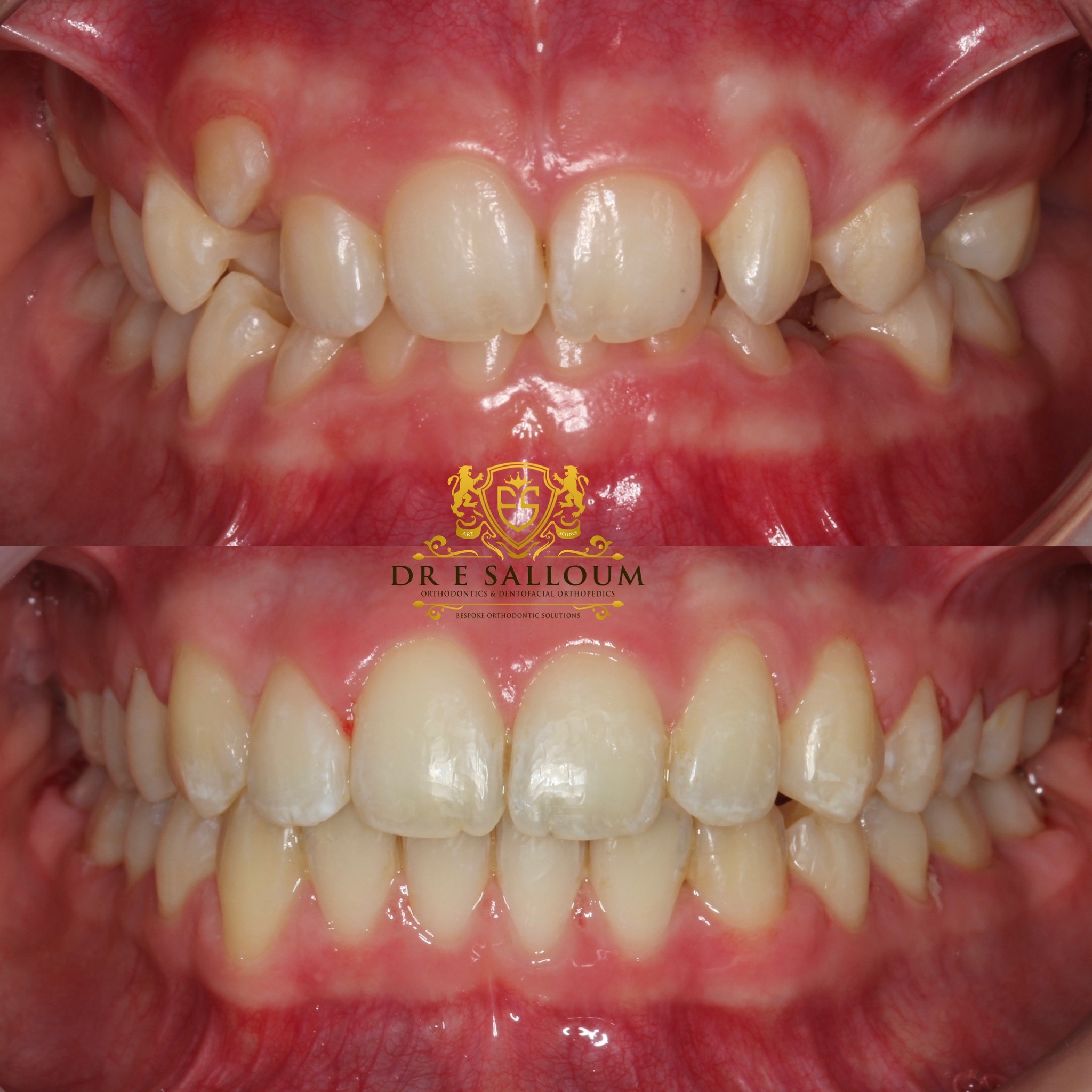
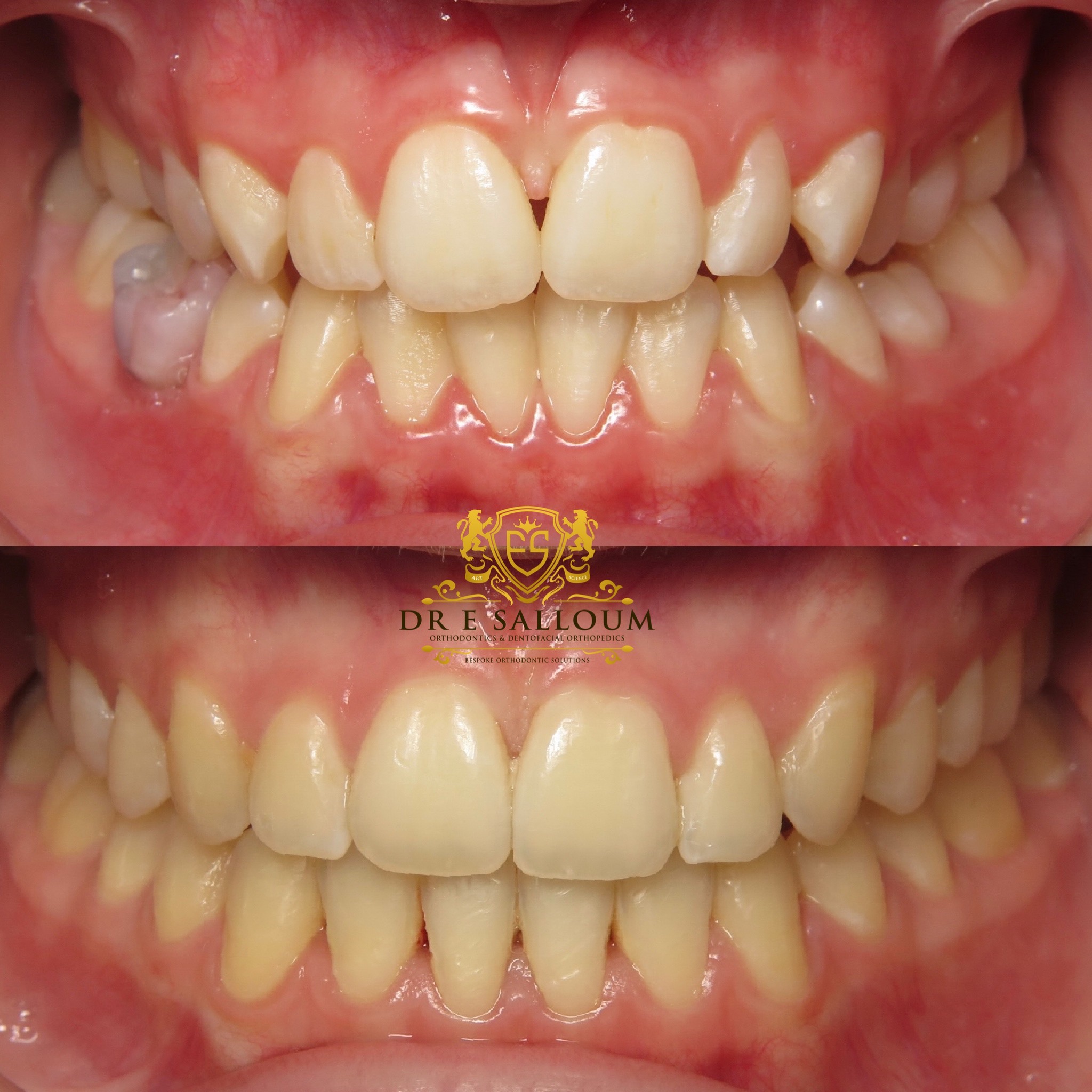
If you are considering orthodontic treatment, you have probably seen claims about fast braces, six-month smiles, or aligners that promise a perfect smile in record time. Naturally, this raises an important question: can orthodontic treatment really be made faster?
The short answer is this: tooth movement follows biology, not marketing. Teeth do not know which type of braces or aligners you are wearing. Instead, treatment time depends on how the body responds, how the treatment is planned, and how efficiently it is carried out.
In this article, we explain how teeth really move, what truly affects treatment time, and why “faster braces” are often misleading.
On average, teeth move at a rate of about 1 millimetre per month. This is a biological limit and applies regardless of whether you are wearing metal braces, lingual braces, or clear aligners.
However several factors influence this rate, which is why treatment times differ from one patient to another.
Fixed braces, including traditional and lingual braces, usually provide a very secure grip on the teeth. As a result, they allow precise and steady tooth movement.
Clear aligners are also highly effective. However, some complex movements can be less efficient with aligners, which may slightly increase treatment time in certain cases.
That said, no appliance can bypass biology.
Age plays a role. In general, teeth move slightly faster in younger patients because the bone is less dense.
In adults, tooth movement can be slower. In addition, certain medications, hormonal factors, or medical conditions may also influence the speed of movement.
This is one of the most important factors.
An experienced orthodontist plans treatment carefully to:
Better planning means smoother progress and fewer delays.
This is where marketing often conflicts with science.
Many orthodontic products and direct-to-consumer brands claim their systems are faster than others. However, there is no strong scientific evidence to support these claims.
In reality, the only way to significantly shorten treatment time is by compromising the result. This may lead to:
Fast treatment is not beneficial if the final result is poor or unstable.
Over the years, many methods have been promoted to speed up tooth movement. Most do not deliver meaningful results.
Devices using vibration or light stimulation claim to accelerate treatment. However, scientific studies show little to no real reduction in treatment time.
Minor surgical procedures can temporarily increase the rate of tooth movement. However:
For most patients, this approach is not necessary.
The most reliable way to keep treatment time as short as possible is not a special device or brand. Instead, it involves:
In other words, good orthodontics is efficient orthodontics.
Treatment time depends on how complex the problem is.
As a general guide:
In general:
It is understandable to want the fastest possible orthodontic treatment. However, safe, stable and high-quality orthodontic results take time.
The experience and skill of your orthodontist have a far greater impact on treatment time and outcome than any specific brand of braces or aligners.
If you are considering orthodontic treatment, focus on choosing an orthodontist who prioritises:
In orthodontics, doing it properly once is always better than doing it quickly and having to fix it later.

I recommend and prescribe orthodontic treatments to my patients as if they were my own family and I value meaningful relationships based on communication, confidence and trust.
“We highly recommend Dr Erfan Sallom, he transformed our daughter's teeth and she’s extremely happy with her beautiful smile! We were looking for a Orthodontist...”

“I was very anxious about orthodontic treatment and as such delayed it for years. I had no need to be nervous with the expertise and...”
“I would really recommend anyone to Dr Erfan Salloum, my experience with Erfan was amazing. I had no issue he was very knowledgeable about his...”
“I have just finished my two year orthodontic treatment with Dr Erfan and I would highly recommend. He explained everything perfectly about the treatment plan...”