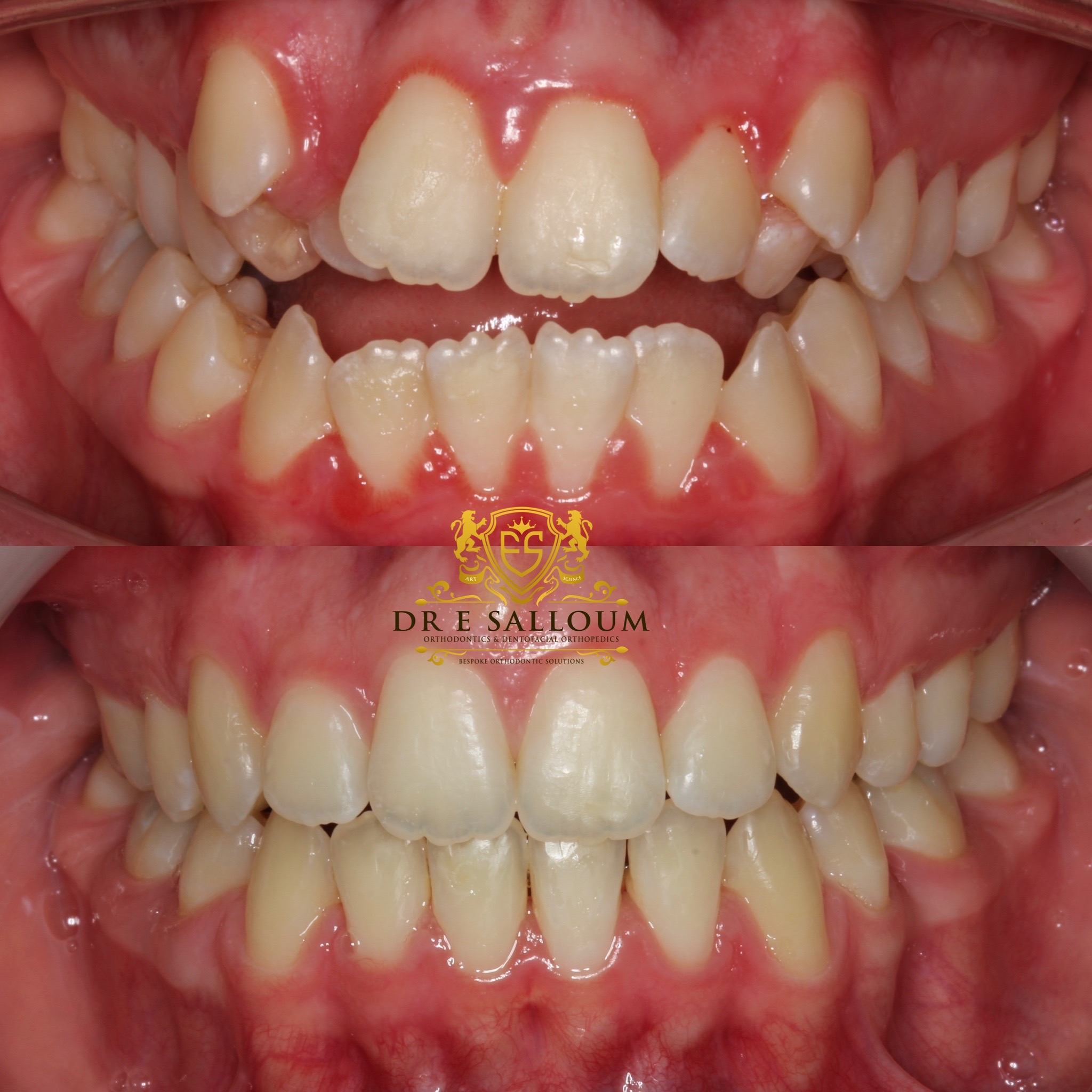
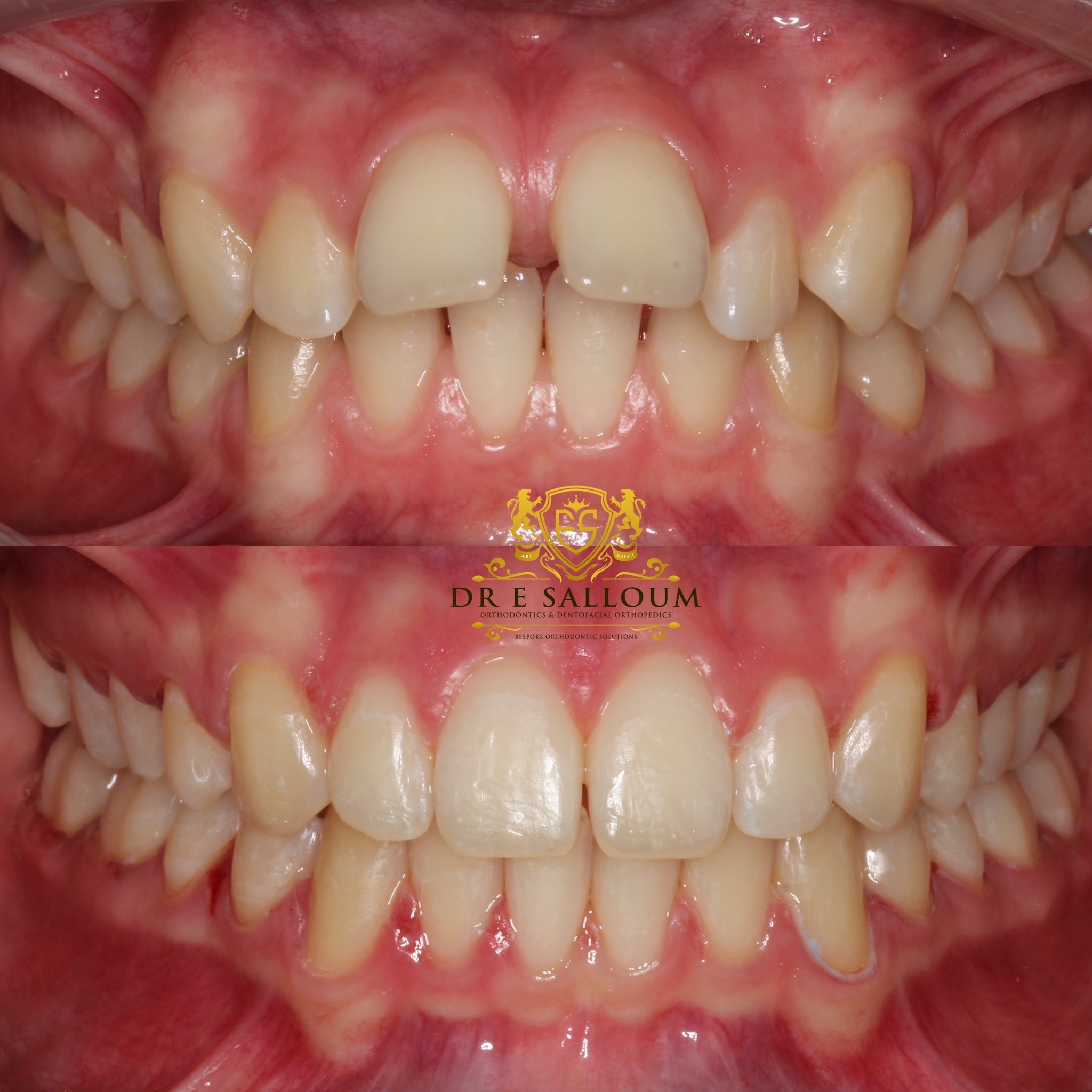
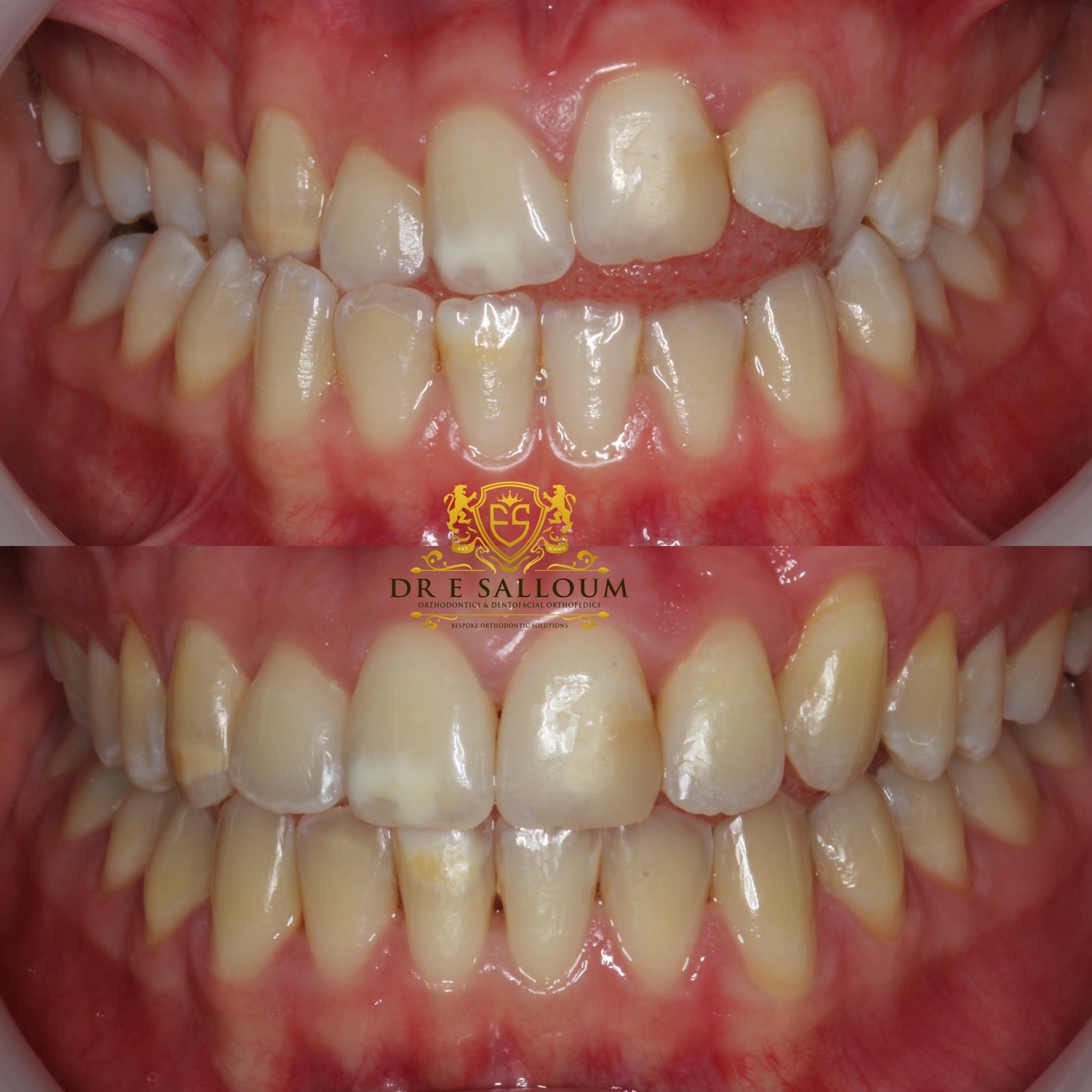
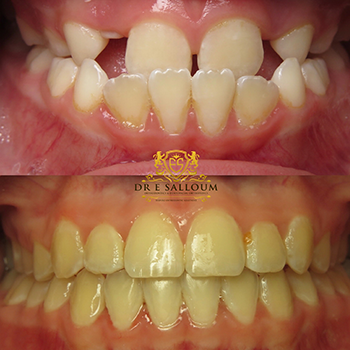
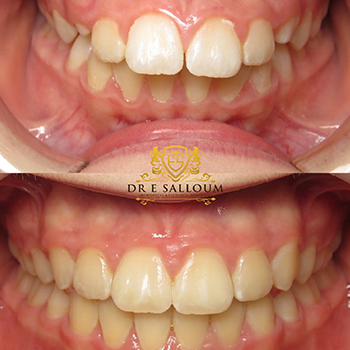
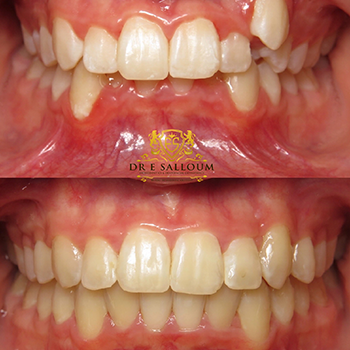
There is a lot of hype, controversy, and conflicting information online about myofunctional therapy and its relation to children’s orthodontics. Some pages and advertisements claim it can “grow jaws,” “reshape faces,” and “straighten teeth without braces.” Others go to the opposite extreme and say it is completely useless.
This leaves many parents confused and frustrated — and understandably so.
Having learned from both camps, and keeping an open, evidence-based approach, the reality is much more balanced.
Myofunctional therapy involves exercises aimed at improving tongue posture, muscle tone, swallowing patterns, and oral habits. Clinicians sometimes pair it with simple removable appliances.
However, it is important to set realistic expectations.
No set of exercises or plastic appliances can override a child’s genetic growth pattern.
Myofunctional therapy can be a helpful adjunct after proper orthodontic treatment, especially for:
Think of it like physiotherapy:
It cannot fix a slipped disc on its own, but it can help after the main structural problem has been corrected.
Dentofacial orthopaedics is the part of the orthodontic speciality focused on the growth and development of the face and jaws. It involves guiding these structures during the growing years to achieve a healthy bite and balanced facial proportions.
This area requires specialist training. If you think your child may benefit from this type of treatment, it is important to see a specialist orthodontist.
Functional appliances are different from myofunctional therapy. They are orthodontic devices designed to correct bite problems in growing children. Examples include:
Orthodontists in Ireland and the UK use the Twin Block appliance more than any other functional appliance.(https://www.twinblocks.com)
Modern evidence shows that functional appliances do not grow the lower jaw beyond what genetics allow. They correct the bite by moving teeth within the bone and guiding the natural growth that genetics already determine.
They are effective — but for different reasons than many people assume.
Traditional removable appliances like the Twin Block can work very well, but only when worn consistently. Compliance is the main challenge.
For this reason, in recent years I often prefer fixed functional appliances such as the:
Advantages include:
These appliances sit inside the mouth and work continuously, making them highly effective for suitable patients.
Twin-Block appliances have a reported success rate of 80–85%. Treatment is less successful when:
If results are limited, alternatives may include:
As a specialist orthodontist, I will guide you toward the most appropriate approach based on your child’s age, growth pattern, and the severity of the bite problem.
I have a particular interest in this field and have published research on functional appliance therapy and Class II malocclusions in:
Links to publications:
https://www.magonlinelibrary.com/doi/abs/10.12968/denu.2021.48.7.579
https://academic.oup.com/ejo/article/40/5/512/4781654
“We highly recommend Dr Erfan Sallom, he transformed our daughter's teeth and she’s extremely happy with her beautiful smile! We were looking for a Orthodontist...”

“I was very anxious about orthodontic treatment and as such delayed it for years. I had no need to be nervous with the expertise and...”
“I would really recommend anyone to Dr Erfan Salloum, my experience with Erfan was amazing. I had no issue he was very knowledgeable about his...”
“I have just finished my two year orthodontic treatment with Dr Erfan and I would highly recommend. He explained everything perfectly about the treatment plan...”