By Dr Erfan Salloum, DDS, DClinDent (Orth), MOrth RCSEd, FFD (Orth) RCSI, MOrth RCSEng, FDS RCPSG, FDS RCSEng Diplomate of the European Board of Aligner Orthodontics (EBAO) | Specialist Orthodontist, Lusk Orthodontics | Active Member, European and World Societies of Lingual Orthodontics
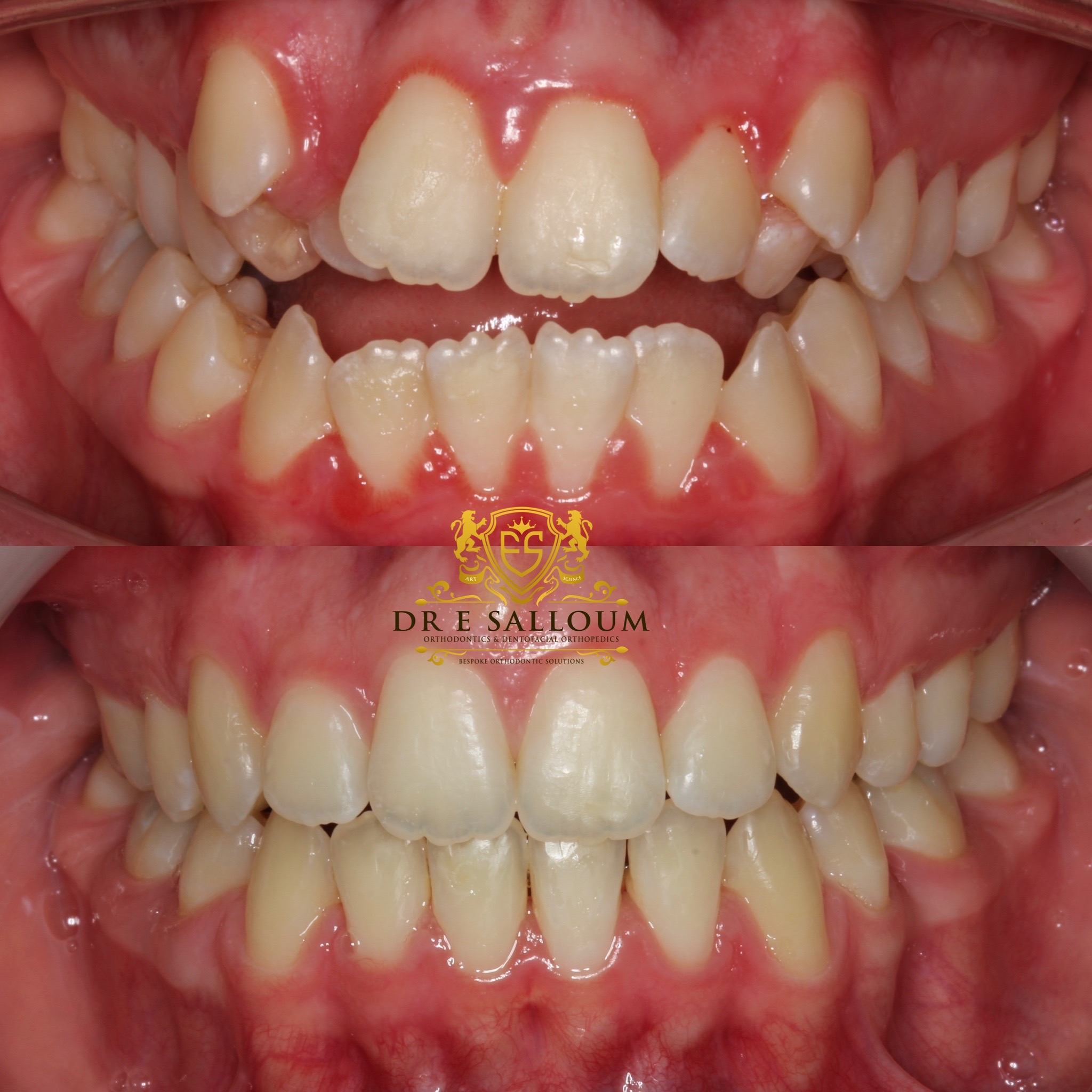
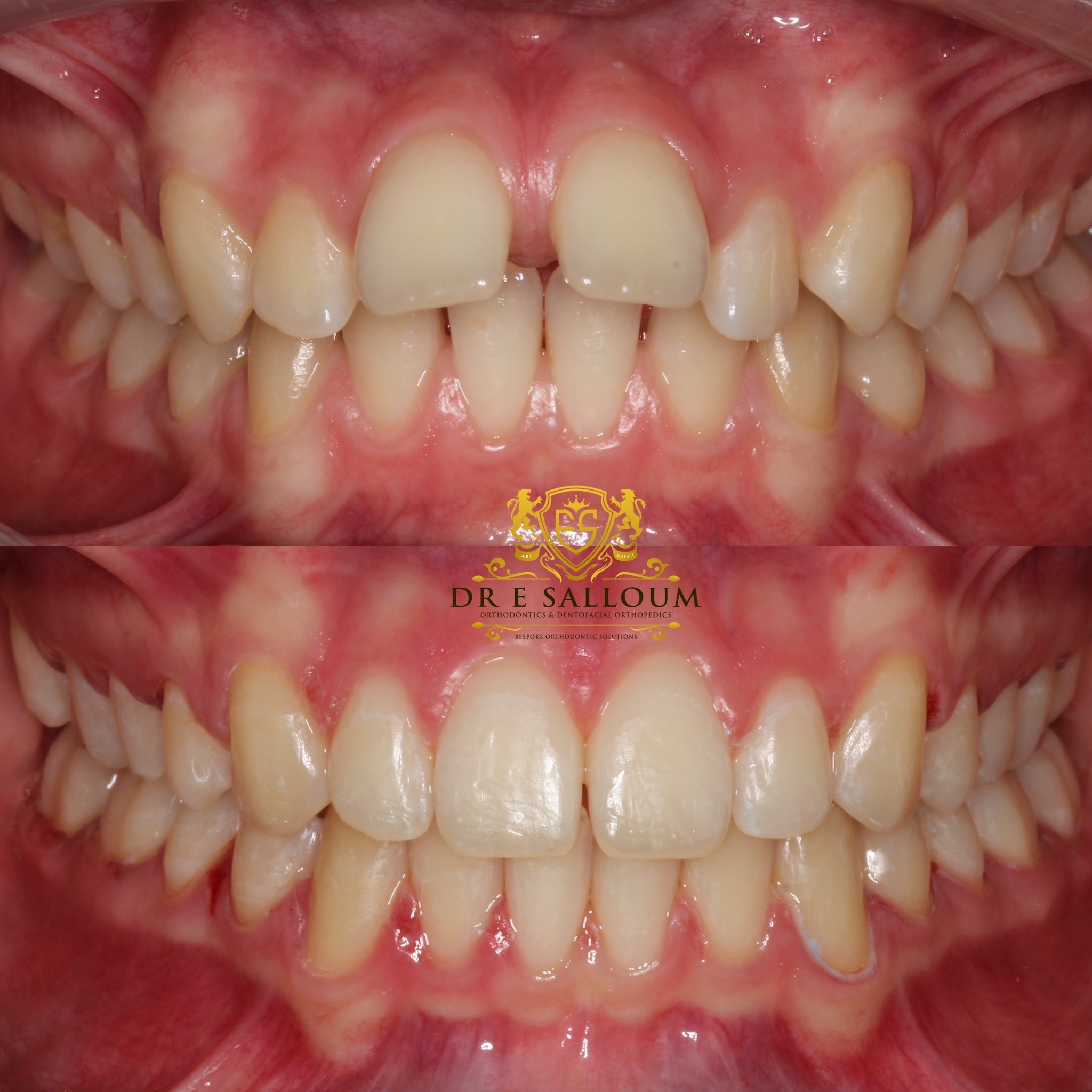
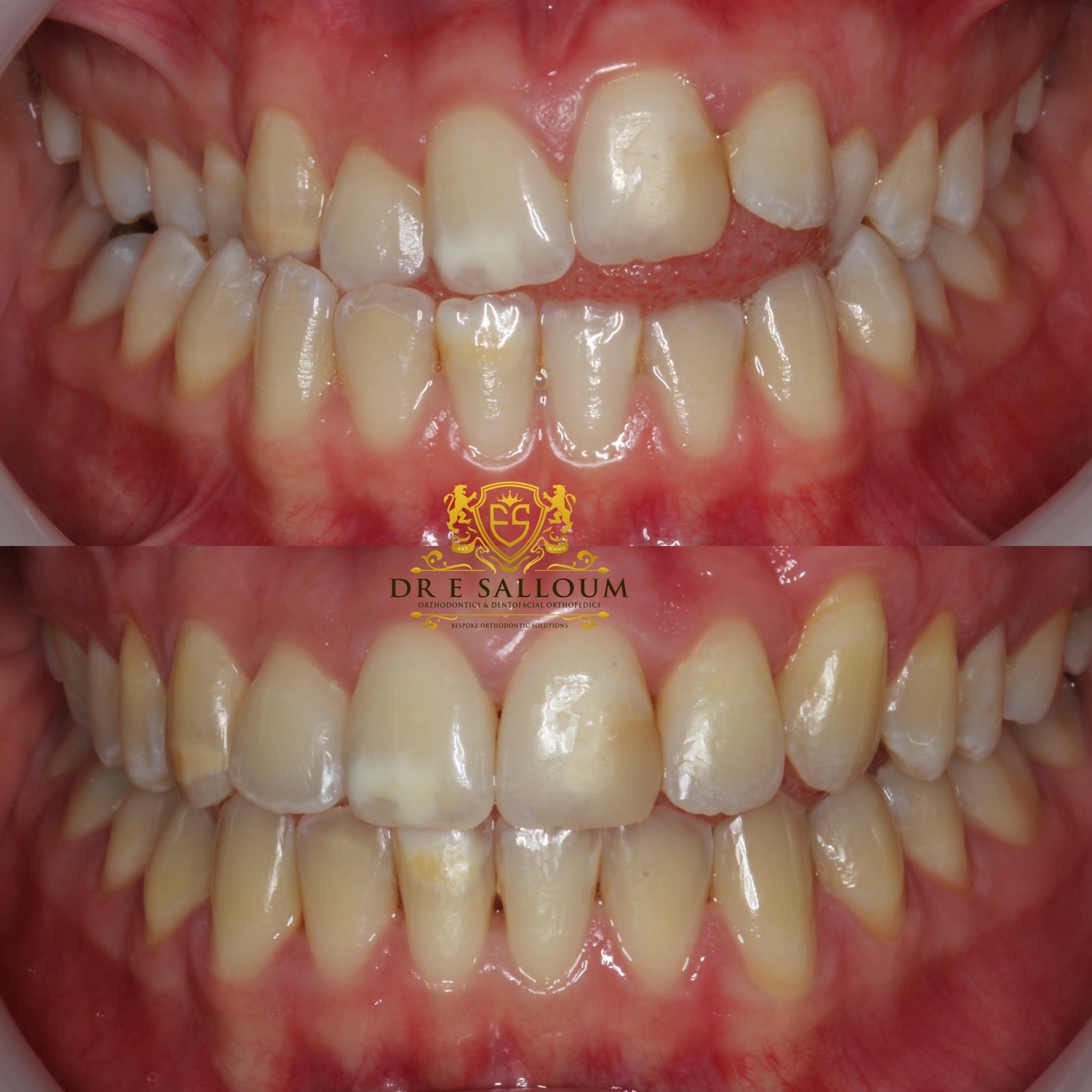
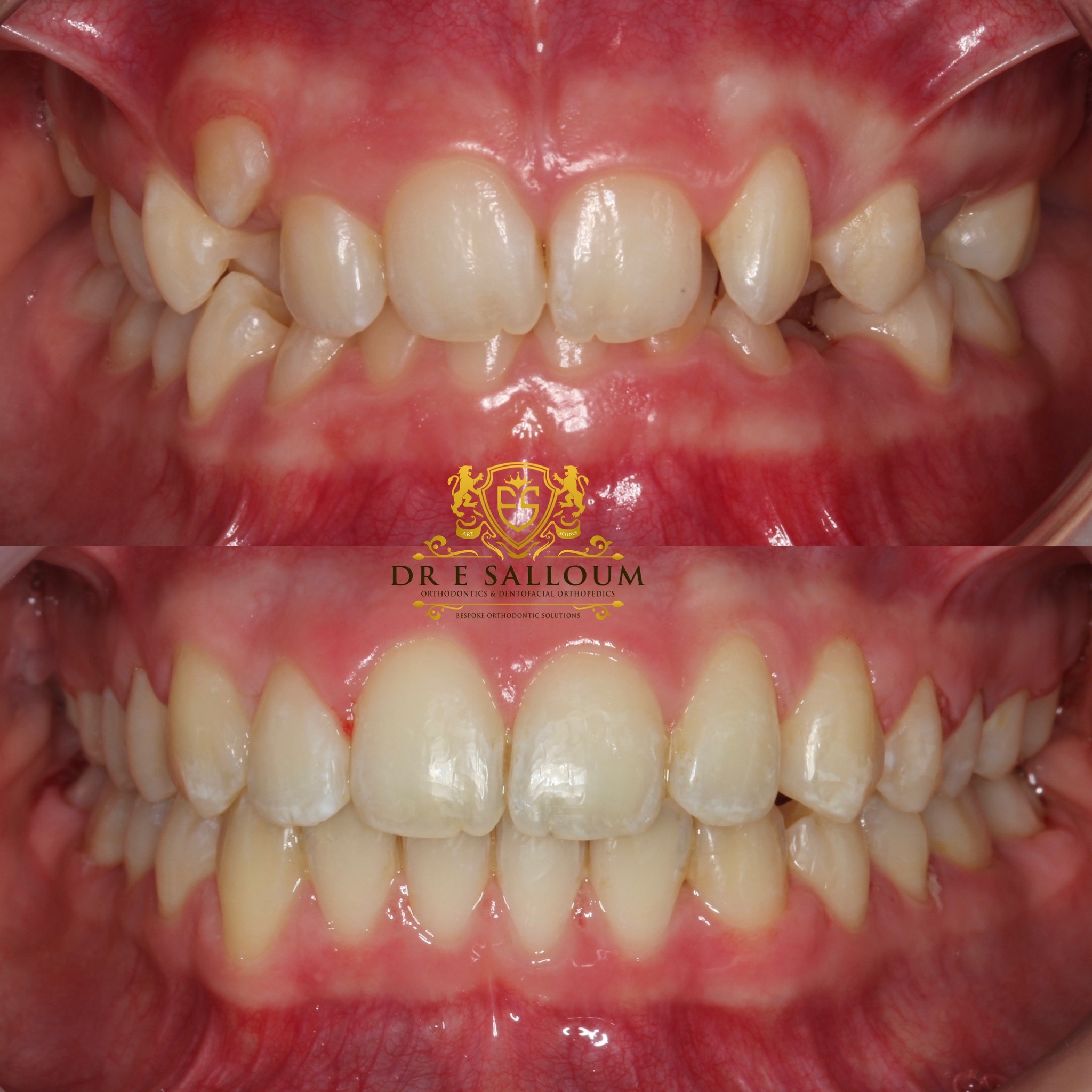
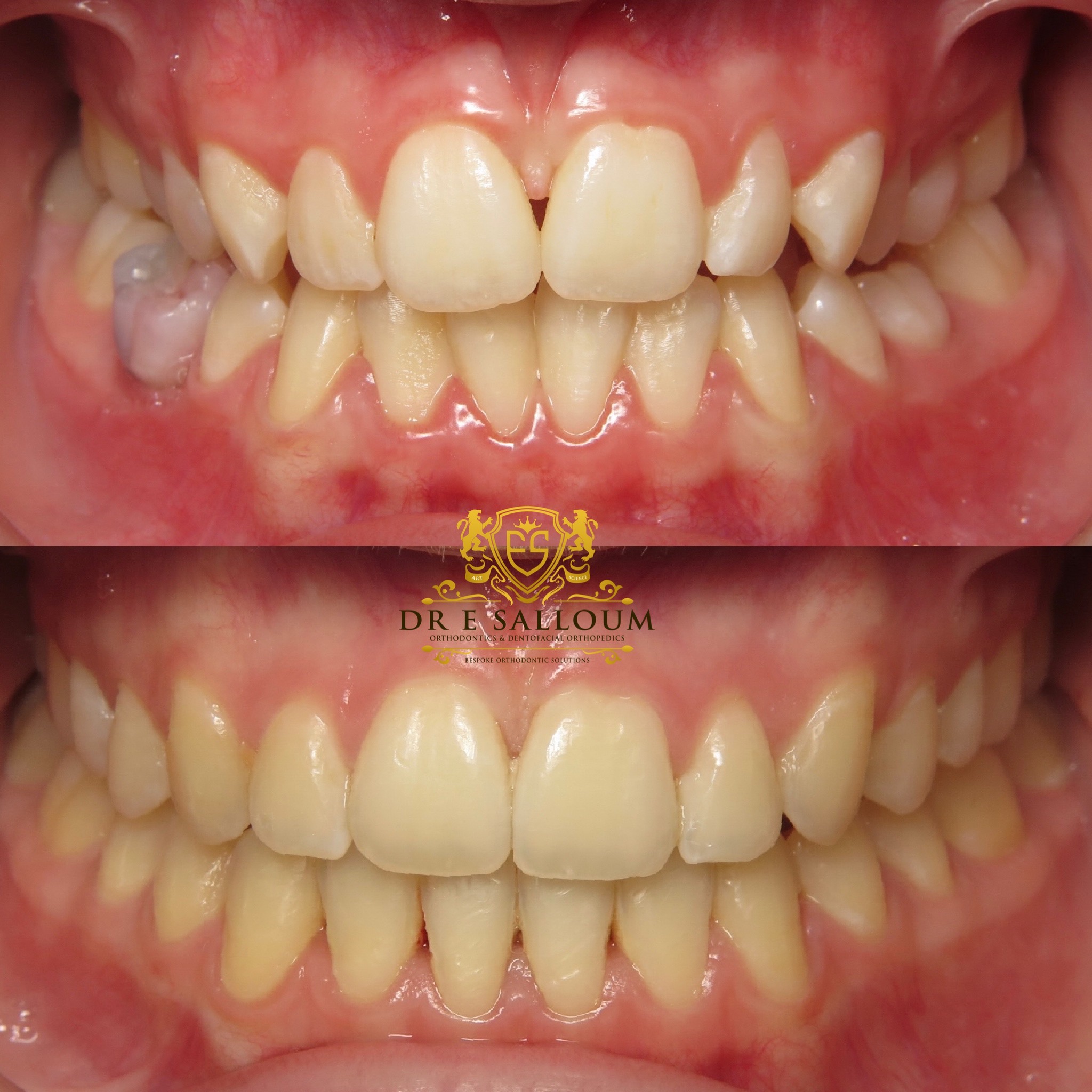
Palatal skeletal expansion is a treatment used to widen the upper jaw (maxilla) when it is too narrow. In children, this is often achieved more easily because the bones are still growing. In adults, expansion may still be possible using modern skeletal anchorage techniques such as MARPE or surgically assisted approaches in selected cases.
Many people ask if expansion is only about creating more space for teeth. The answer is no. In the right patient, the benefits can extend beyond tooth alignment and may involve bite function, breathing, and overall oral health.
It is equally important to be clear: expansion is not a magic solution for every problem. Careful diagnosis and interdisciplinary care remain essential.
Click here to watch more on this subject.
A simple way to understand the bite is to think of the upper jaw as a box and the lower jaw as the lid.
If the upper jaw is too narrow, the lower jaw may not fit comfortably underneath it. Instead of closing into a stable and balanced bite, the lower jaw may shift sideways or forwards to find a position where the teeth can meet.
This can lead to:
When the upper jaw is expanded appropriately, the lower jaw may be able to close in a more natural and stable position. This often improves how biting forces are distributed across the teeth and can reduce functional interferences.
The roof of the mouth is also the floor of the nose. This means that widening the upper jaw can increase the width and volume of the nasal cavity.
In some patients, this may reduce resistance to airflow and make nasal breathing easier.
Potential benefits may include:
However, this point is critical:
Breathing problems are multifactorial. A narrow upper jaw may be one contributing factor, but it is rarely the only cause.
Other important causes may include:
This is why collaboration with Ear, Nose and Throat Specialist physicians, sleep physicians, and other healthcare professionals is often necessary.
Poor breathing during sleep in children can affect more than just snoring.
When a child is not getting restorative sleep, it may contribute to:
In some children, improving the airway problem, whether through ENT treatment, expansion, or another appropriate intervention, may improve sleep quality and daytime function.
Again, accurate diagnosis matters. Not every child with behavioural symptoms has a breathing problem, and not every child with mouth breathing needs expansion.
Some children who chronically mouth breathe also experience repeated ear infections, blocked ears, or temporary hearing issues.
This may relate to the Eustachian tube, which connects the middle ear to the back of the nose. Its job is to help equalise pressure and drain fluid from the middle ear.
If nasal function is poor, the tube may not work efficiently, which can contribute to:
By helping restore nasal breathing and improving function of the nasal passages, some children may also experience better Eustachian tube function. This is not guaranteed, but it can be part of the bigger picture.
The temporomandibular joints (TMJ) are the joints that connect the lower jaw to the skull.
There is some evidence suggesting that widening a narrow upper jaw may improve how the lower jaw seats within the joints by allowing a more balanced mandibular position.
In selected cases, this may help reduce:
However, it is very important to be honest here:
TMJ disorders are multifactorial. They may involve stress, clenching, grinding, trauma, joint anatomy, sleep problems, and many other factors.
Expansion is not a guaranteed cure for TMJ symptoms, but in some patients it may be one helpful part of management.
Some patients who struggle with poor breathing during sleep also clench or grind their teeth. Sleep fragmentation and airway resistance may contribute to this in certain individuals.
If the underlying breathing issue improves, whether through expansion or another appropriate treatment, some patients may notice reduced clenching or grinding.
This can provide secondary benefits for:
Expansion is usually more straightforward because growth is still occurring and the palatal suture is not fully matured.
Expansion is still possible in many cases, but it often requires more advanced techniques such as:
The correct option depends on age, anatomy, and treatment goals.
Palatal skeletal expansion can offer meaningful benefits in the right patient, including improvements in:
But it is not a one-size-fits-all treatment.
The best results come from careful diagnosis, realistic expectations, and collaboration between orthodontists, ENT specialists, and other healthcare professionals when needed.
If you are considering expansion for yourself or your child, the first step is a proper assessment with a specialist orthodontist who understands both the benefits and the limitations of treatment. Click here to book in.
Back to Blog
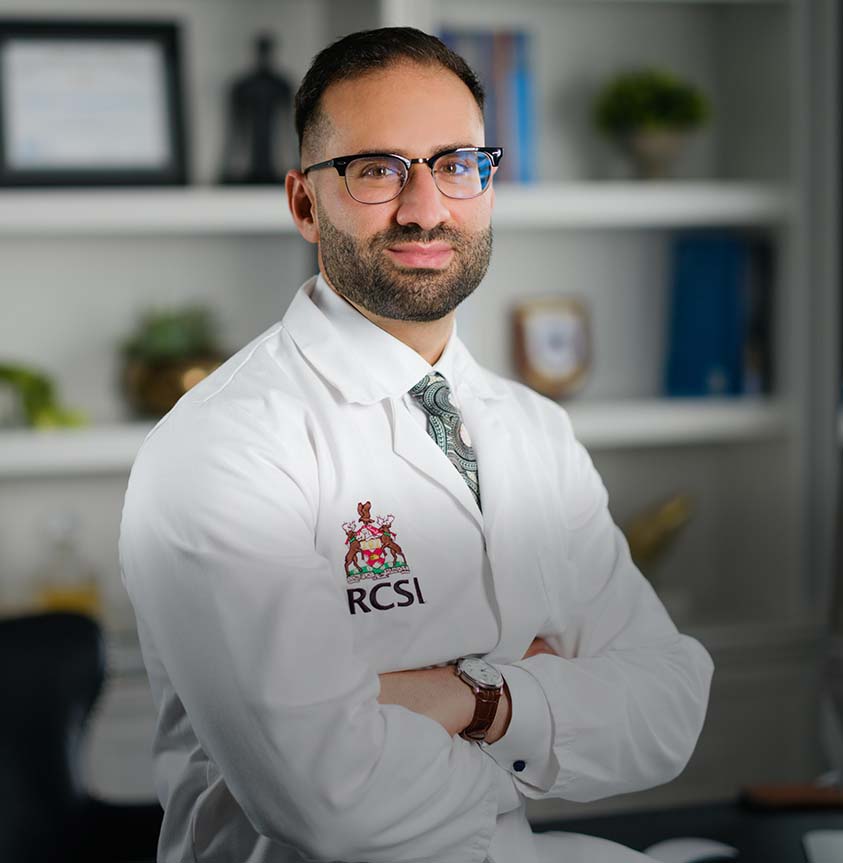
I recommend and prescribe orthodontic treatments to my patients as if they were my own family and I value meaningful relationships based on communication, confidence and trust.

“We highly recommend Dr Erfan Sallom, he transformed our daughter's teeth and she’s extremely happy with her beautiful smile! We were looking for a Orthodontist...”

“I was very anxious about orthodontic treatment and as such delayed it for years. I had no need to be nervous with the expertise and...”
“I would really recommend anyone to Dr Erfan Salloum, my experience with Erfan was amazing. I had no issue he was very knowledgeable about his...”
“I have just finished my two year orthodontic treatment with Dr Erfan and I would highly recommend. He explained everything perfectly about the treatment plan...”