By Dr Erfan Salloum, Board Certified Specialist Orthodontist | EBO & EBAO Diplomate | British Orthodontic Society Maurice Berman Prize Winner 2026
Published September 2026
A gummy smile, also known as excessive gingival display, is a common concern among patients seeking orthodontic treatment.
Some people feel that too much gum shows when they smile. Others notice that their upper teeth appear unusually short. Sometimes, patients simply feel that the proportions of their smile are not quite right.
However, one point is particularly important:
A gummy smile is a description, not a diagnosis.
There are several possible causes of excessive gum display, and each may require a different treatment approach. Therefore, successful gummy smile treatment starts by identifying why too much gum is showing.
In selected patients, orthodontic treatment can significantly improve a gummy smile without orthognathic jaw surgery. Modern orthodontic techniques, including temporary anchorage devices (TADs), allow us to move the upper teeth vertically in ways that were much more difficult with conventional orthodontics alone.
In other patients, excess gum tissue may also contribute to the appearance of the smile. In these cases, clinicians may combine orthodontic treatment with a carefully planned laser gingivectomy.
However, non-surgical treatment is not appropriate for everyone. If the underlying problem is primarily skeletal, orthognathic surgery may remain the most appropriate treatment.
A gummy smile describes excessive gum visibility above the upper front teeth when smiling. Clinicians often refer to this as excessive gingival display.
Clinicians commonly use approximately 3 mm or more of visible gum during a natural smile as a reference point. However, gum visibility alone does not determine whether a patient needs treatment.
When assessing a gummy smile, clinicians must consider facial proportions, tooth size, lip movement, tooth position and the patient’s own concerns.
More importantly, two patients may show a similar amount of gum for completely different reasons.
That is why an accurate diagnosis must always guide treatment.
There are several potential causes of excessive gingival display. More than one can occur in the same patient.
In vertical maxillary excess, the upper jaw has developed further downward than normal. This brings both the upper teeth and gums into a lower position relative to the rest of the face.
This is primarily a skeletal problem.
Significant vertical maxillary excess may require orthognathic jaw surgery for complete correction. Orthodontics has limitations when the position of the upper jaw itself is the main cause of the gummy smile.
Sometimes, the jaw itself does not cause the excessive gum display.
Instead, the upper front teeth may have over-erupted or moved further downwards than ideal. As the teeth erupt, the surrounding gum moves with them.
Clinicians call this dentoalveolar extrusion.
In appropriately selected patients, orthodontic intrusion can move the upper front teeth upwards. TADs provide the anchorage needed to achieve this movement accurately and with greater control.
In some patients, the teeth sit in the correct position, but the gum covers too much of each tooth.
This excess gingival coverage can make normally sized teeth appear short. Clinicians often describe this as altered passive eruption.
Where the periodontal anatomy allows, a laser gingivectomy can remove a small amount of excess gum tissue and expose more of the natural tooth crown.
However, gingivectomy does not suit every patient. The clinician must first assess the gum, underlying bone and tooth proportions carefully.
The upper lip also influences how much gum appears during smiling.
Some patients naturally have a shorter upper lip. In others, a hypermobile upper lip moves further upwards during smiling and exposes more gum.
Orthodontic treatment does not directly alter the length or mobility of the upper lip. Lip anatomy therefore influences how much improvement orthodontic treatment alone can realistically achieve.
Short clinical crowns can make excessive gum display appear more pronounced.
Clinical crown height also plays an important role in treatment planning. Before recommending orthodontic intrusion, gingival treatment or a combination of both, the clinician must assess the relationship between the teeth, gingival margins and surrounding periodontal tissues.
Many gummy smiles result from more than one underlying cause.
For example, a patient may have both:
Dentoalveolar extrusion + excess gingival coverage
In this situation, combining orthodontic intrusion with gingival treatment may produce a better result than either procedure alone.
Treatment sequence also matters. Orthodontic tooth movement changes the position of the gingival margins. The clinician should therefore assess and finalise the gum levels when the teeth approach their intended positions.
“Gummy smile” describes the appearance. The cause provides the diagnosis—and the diagnosis determines the treatment.
Yes, in appropriately selected patients.
The clinician must first determine whether the excessive gum display arises primarily from the position of the teeth and gums or from the underlying position of the upper jaw.
When the upper front teeth have over-erupted, orthodontic intrusion can move them upwards.
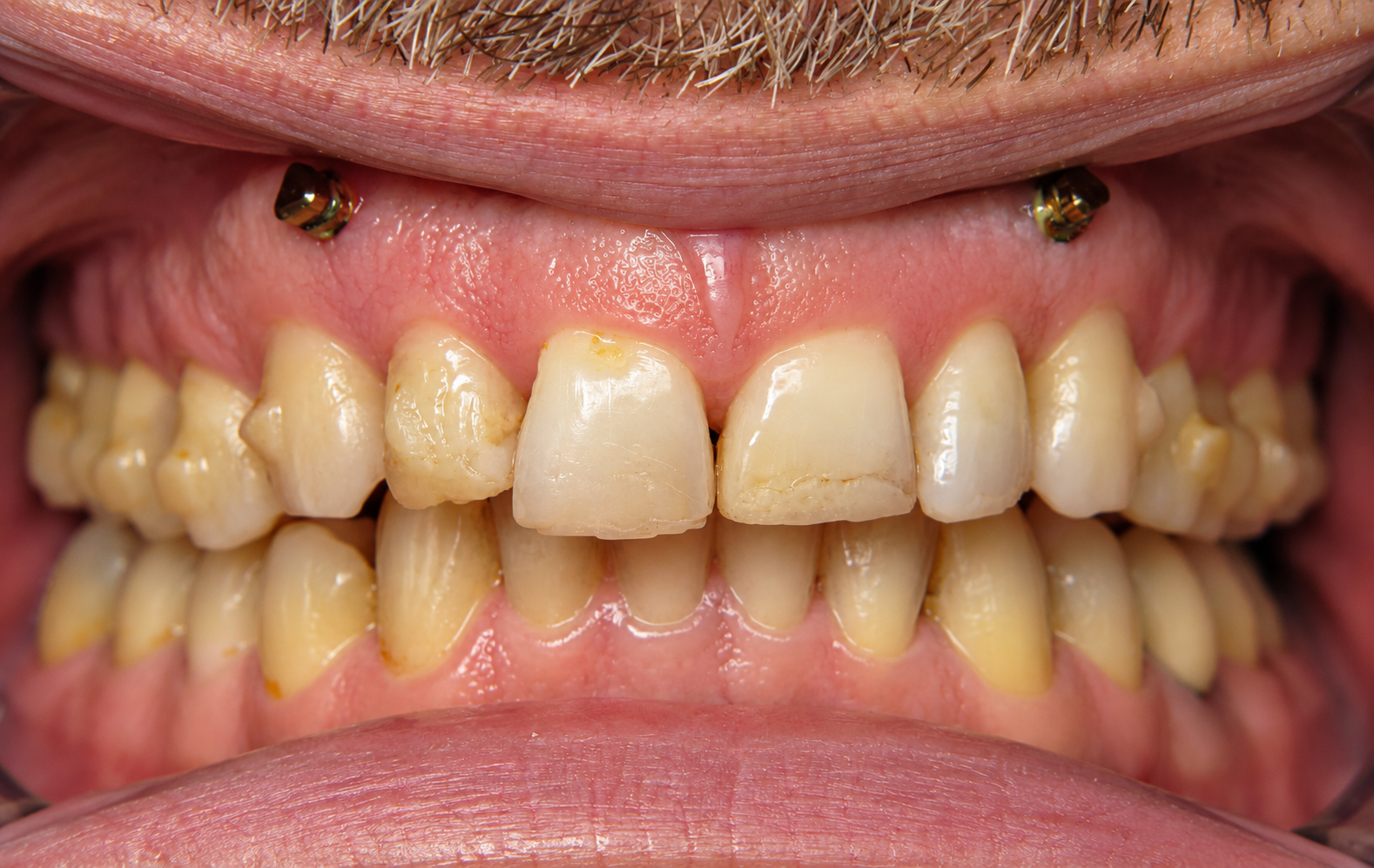
Temporary anchorage devices, or TADs, represent one of the most useful developments in modern orthodontics for achieving this type of movement.
Temporary anchorage devices are small titanium screws that provide a stable anchorage point during orthodontic treatment.
They usually measure approximately 1.5–1.6 mm in diameter and 6–10 mm in length. The orthodontist places them into suitable areas of bone under local anaesthetic.
TADs allow orthodontists to apply forces in directions that braces or clear aligners alone may struggle to achieve.
When treating a gummy smile, TADs can help intrude the upper front teeth by moving the teeth and their supporting structures upwards.
Conventional orthodontic mechanics may create unwanted movement elsewhere in the dental arch when the orthodontist attempts to intrude the upper front teeth.
TADs provide a relatively stable anchorage point. This allows the orthodontist to direct the force more precisely towards the teeth that require intrusion while reducing unwanted movement elsewhere.
This allows us to direct carefully controlled forces towards the specific teeth we want to move.
There are biological limits to how far teeth can be safely intruded.
The clinical material in these cases uses approximately 2–4 mm of controlled incisor intrusion as a general range for cases with a predominantly dentoalveolar cause.
Trying to achieve substantially greater movement can increase biological risks, including root resorption, and the result becomes less predictable.
This is particularly important when the gummy smile also has a significant skeletal component.
In those situations, orthodontics may improve the smile but may not completely correct the underlying skeletal discrepancy.
Patients should understand these limitations before treatment begins.
Successful gummy smile treatment involves more than simply moving the visible crowns of the teeth upwards.
The roots also need to move appropriately.
Poorly controlled mechanics can tip the upper incisors rather than producing genuine intrusion. This can adversely affect the bite, smile aesthetics and potentially treatment stability.
For this reason, root position, torque and the occlusal plane need to be carefully controlled throughout treatment.
Radiographs may also be used to monitor root position and root health during treatment.
Reducing gum display is only one part of creating an attractive smile.
The smile arc describes the relationship between the edges of the upper front teeth and the curvature of the lower lip during smiling.
An attractive smile usually has a natural relationship between these two curves.
Excessive or poorly planned intrusion can flatten the smile arc. Therefore, reducing gingival display must be balanced against maintaining natural tooth proportions and smile aesthetics.
The objective is not simply to show less gum.
It is to create a smile that remains balanced with the lips, teeth and face.
When excess gum tissue contributes to a gummy smile, we may combine orthodontic treatment with a laser gingivectomy.
A diode laser removes a carefully controlled amount of gingival tissue and reveals more of the natural tooth crown. However, clinicians should only perform this procedure when the patient’s anatomy makes it appropriate.
Before recommending gingivectomy, we assess the amount of keratinised gum and the relationship between the gingival margin and the underlying bone.
Removing gum tissue without an accurate diagnosis and appropriate planning may cause periodontal problems or gingival recession. We should therefore never recommend laser treatment simply because a patient shows excessive gum.
We must identify the underlying cause first.
Some patients have both:
These patients may benefit from a combination of TAD-supported orthodontic intrusion and laser gingivectomy.
Usually, the orthodontic intrusion should be well advanced before the final gingival procedure is planned.
This is because moving the teeth changes the position of the gum margin. Performing gingivectomy too early may make it difficult to accurately determine the final gingival architecture.
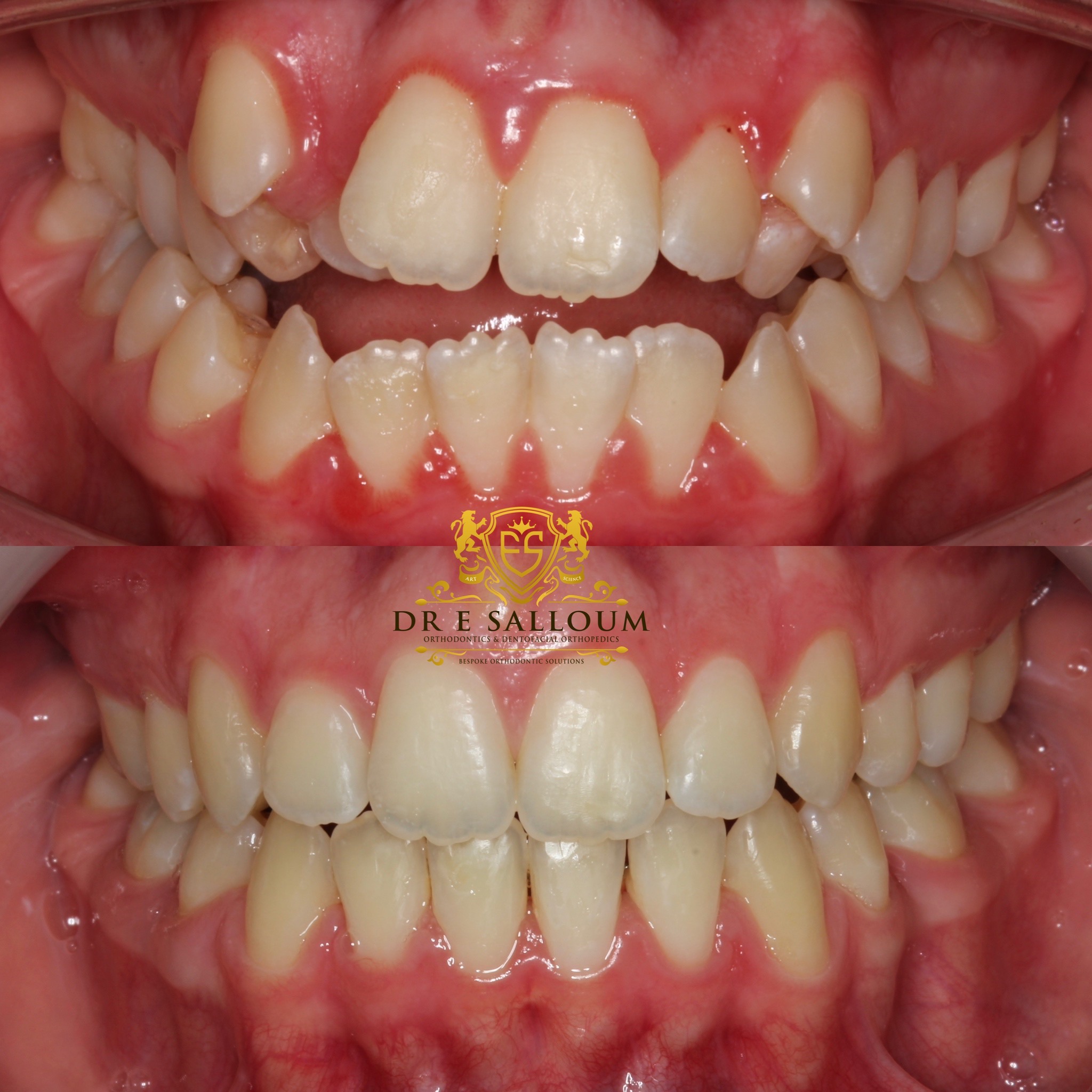
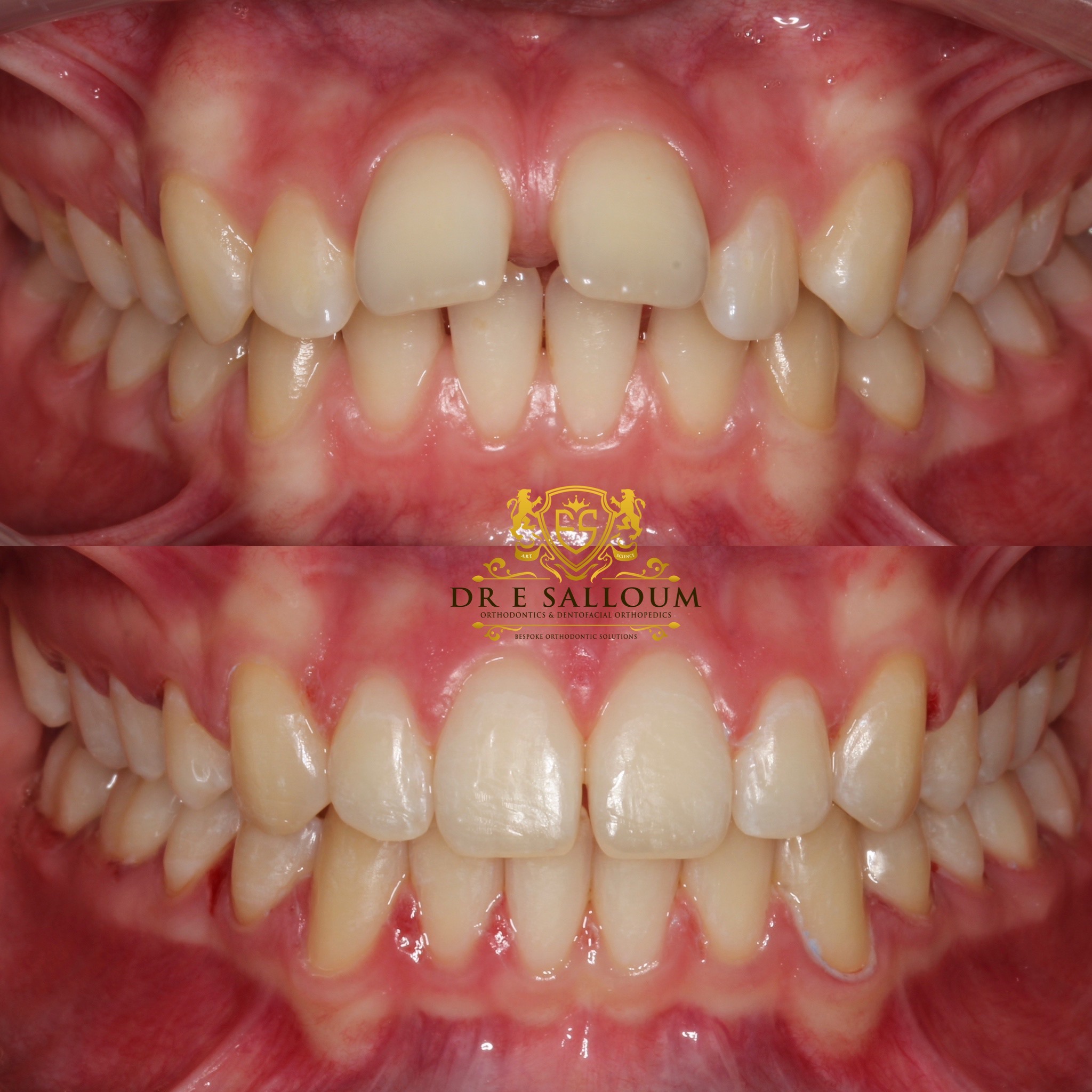
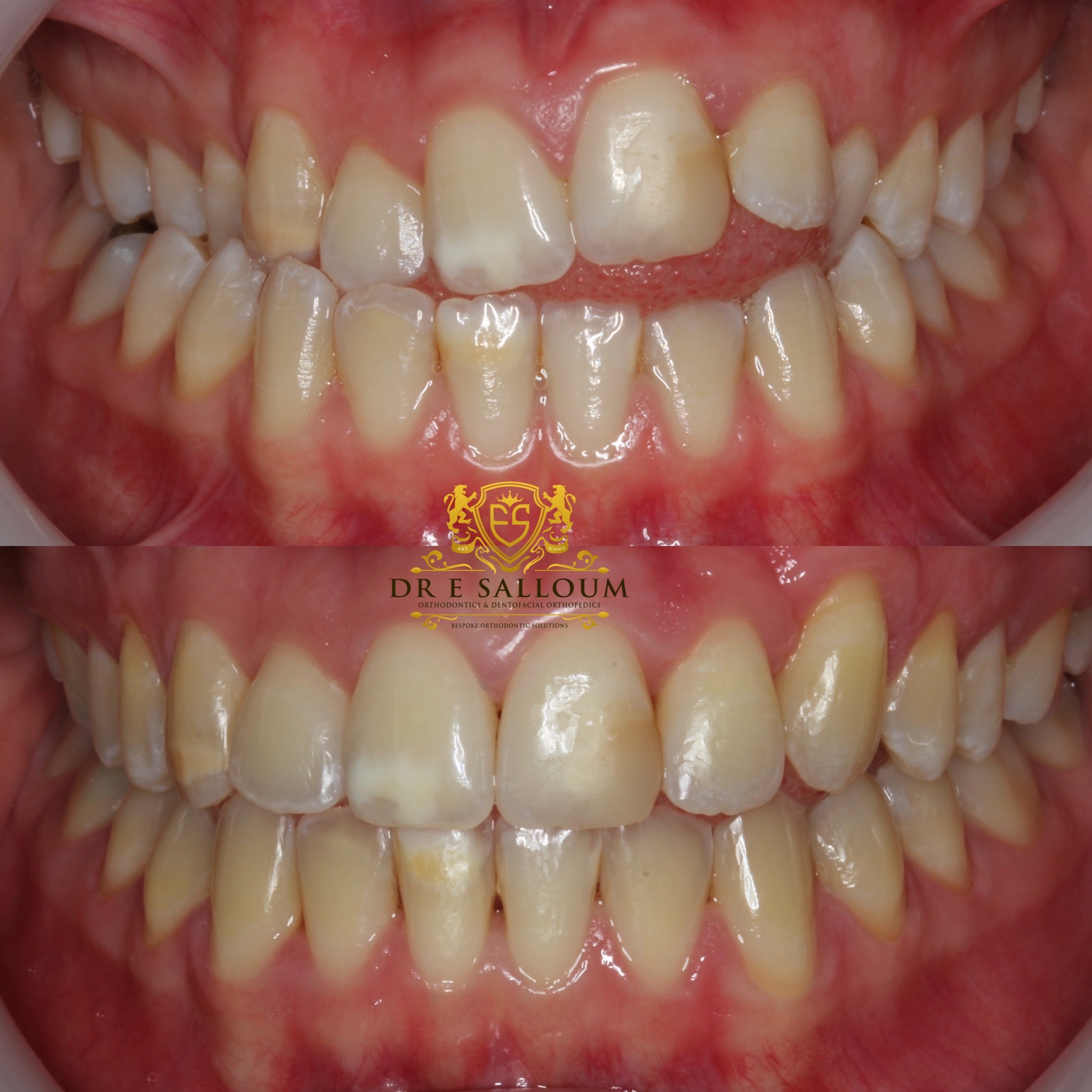
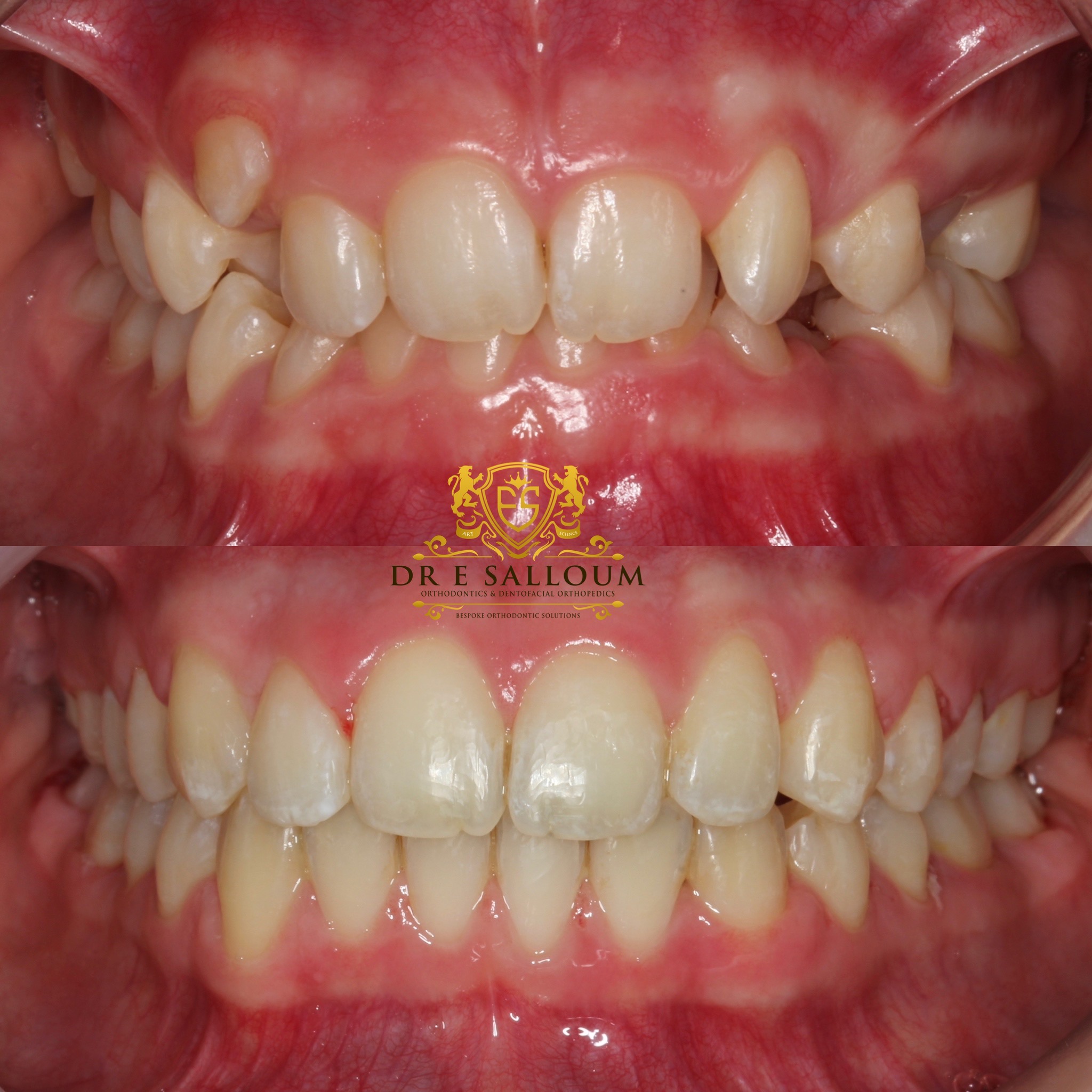
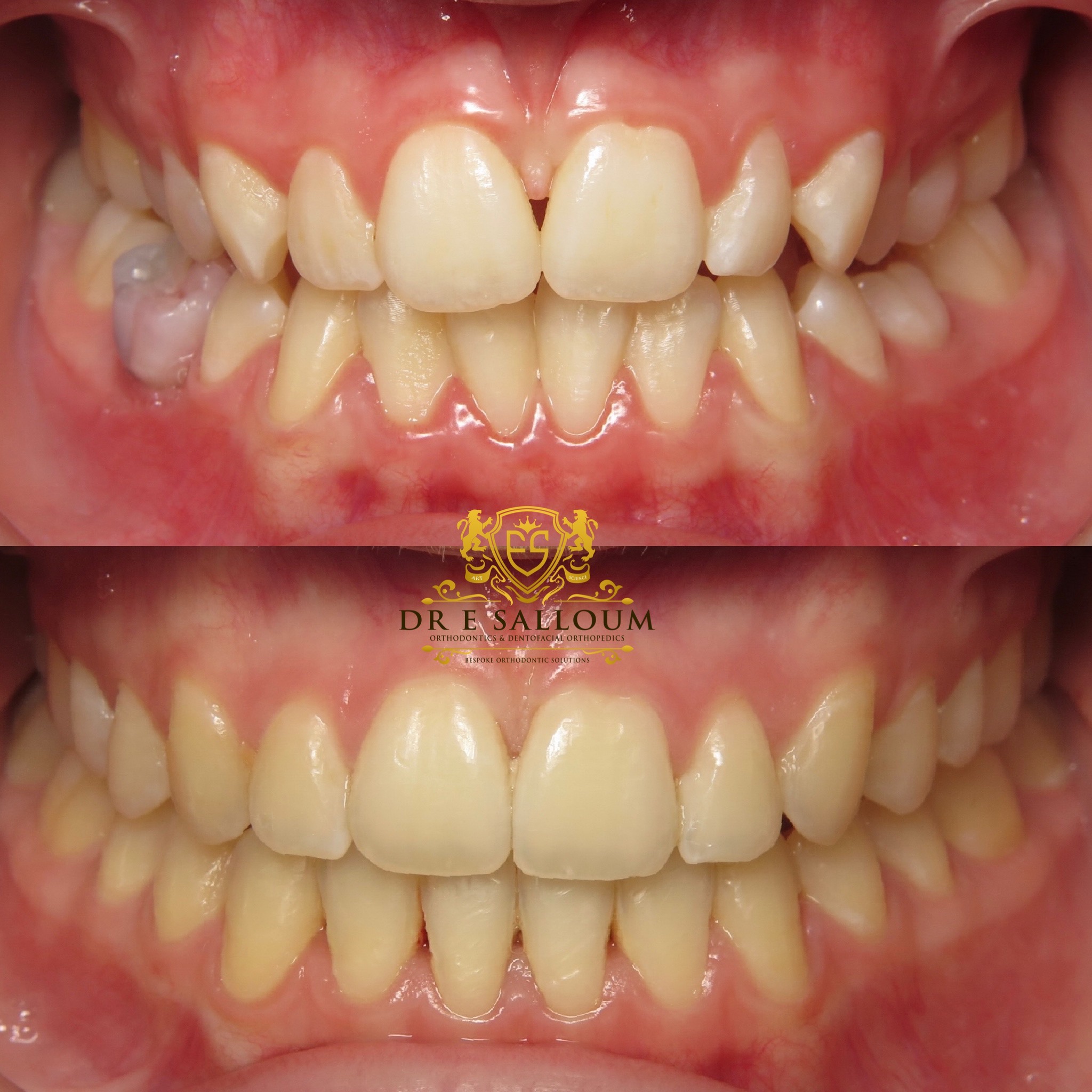
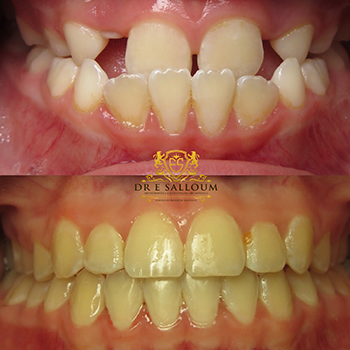
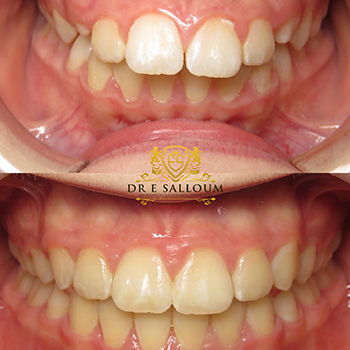
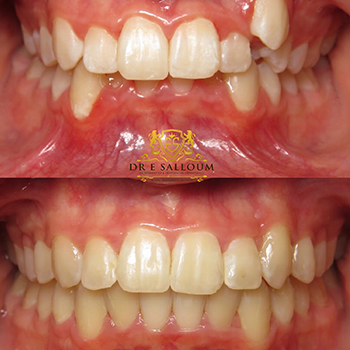
The clinical cases shown here demonstrate an important point: patients who appear to have a similar gummy smile can require quite different treatment.
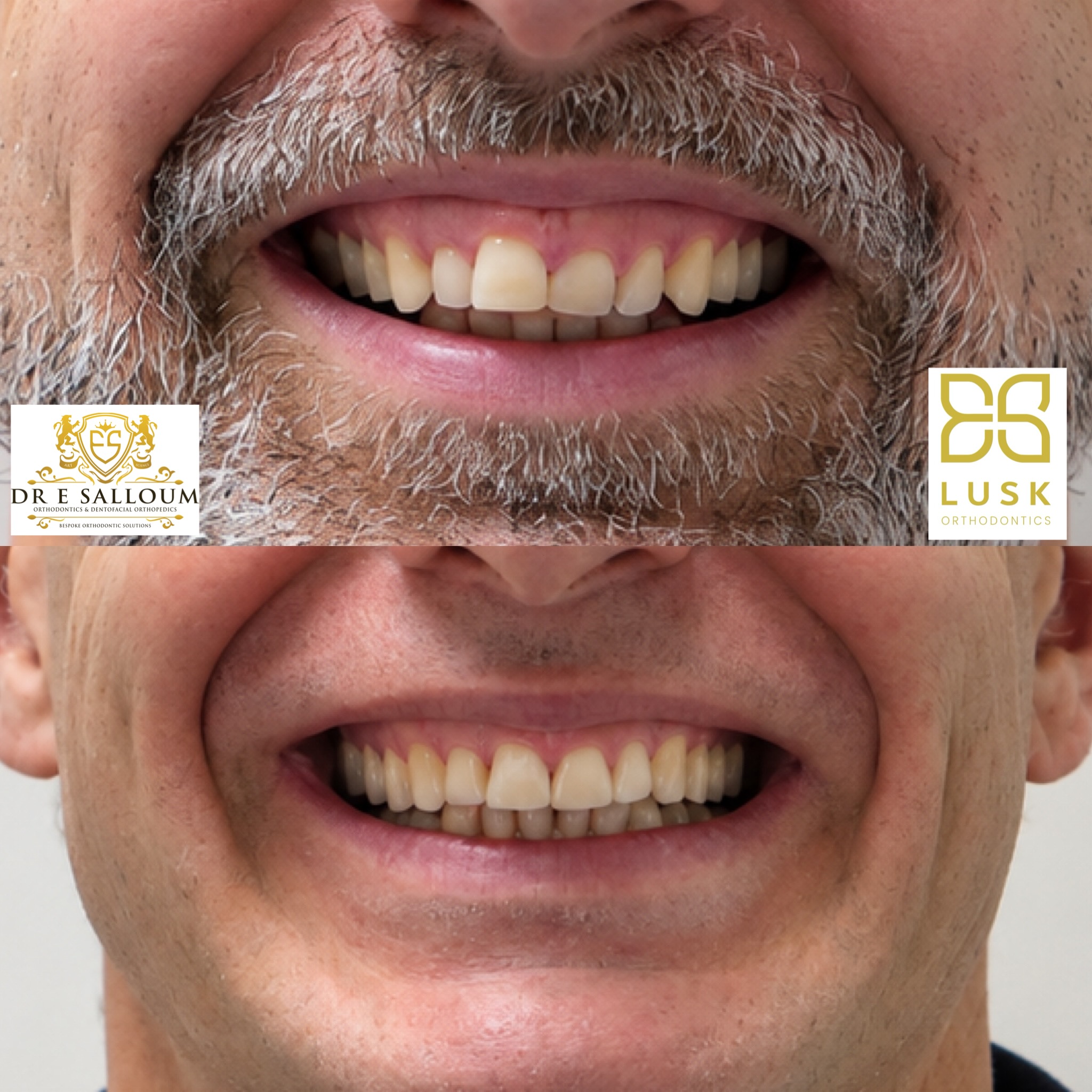
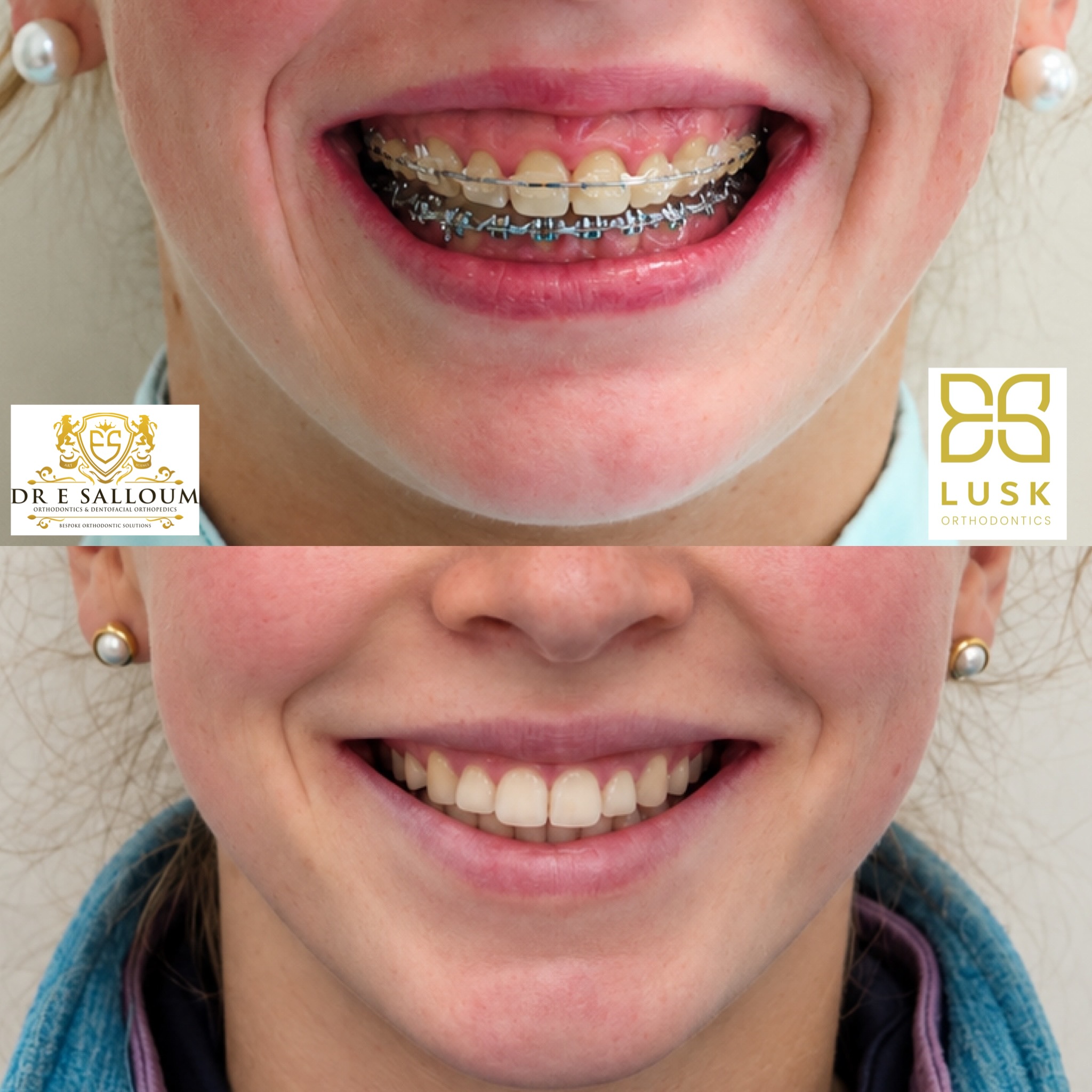
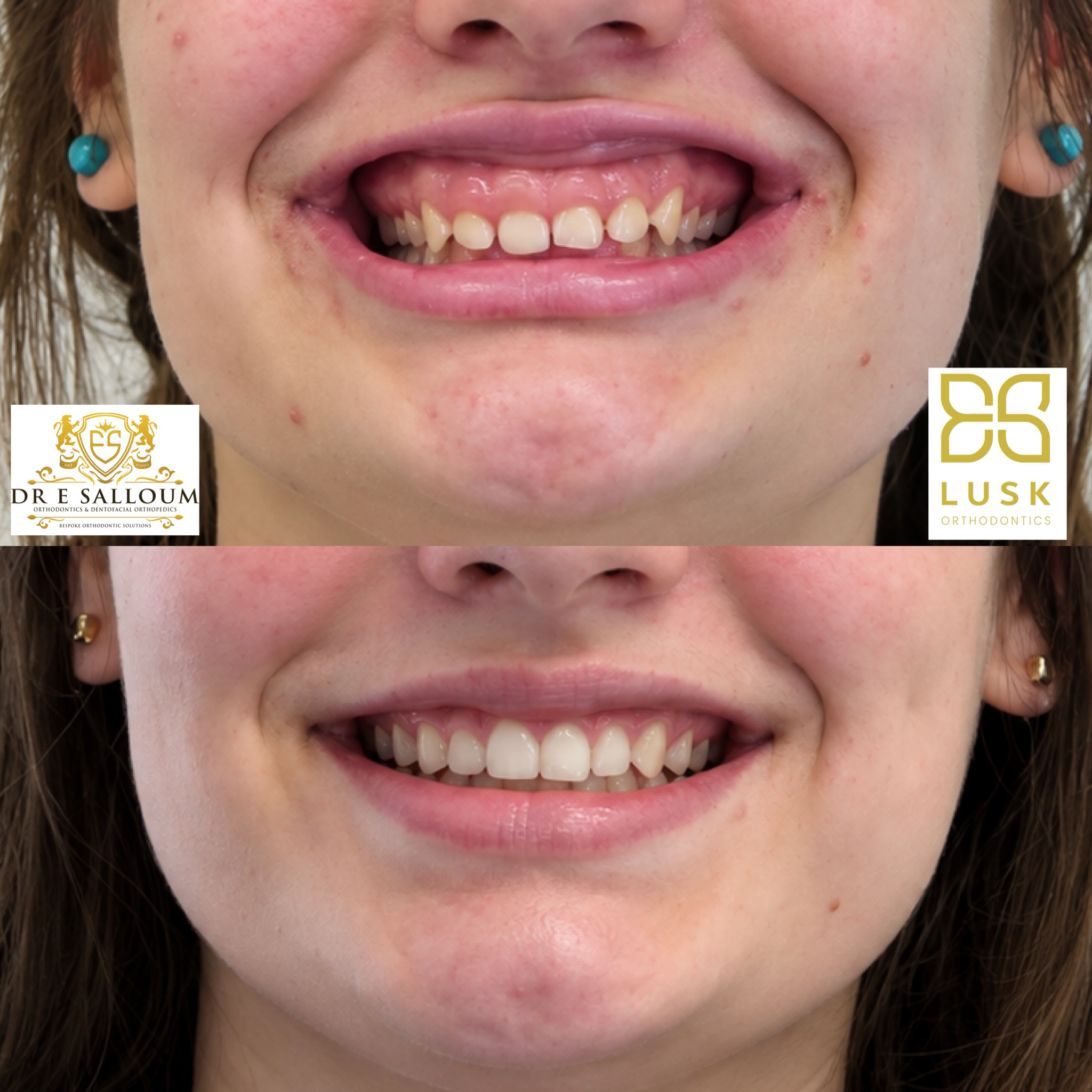
These results are specific to the individual patients shown. They should not be interpreted as a guarantee that the same degree of correction can be achieved in every patient.
Not every gummy smile should be treated non-surgically.
If significant vertical maxillary excess is the primary cause, orthognathic surgery may provide the most complete correction.
Modern orthodontic techniques can expand the range of problems that can be treated without surgery, but they do not eliminate the biological and anatomical limitations of orthodontics.
Avoiding surgery should not become the treatment objective in itself.
The objective should always be to identify the problem accurately and recommend the treatment that best addresses it.
Healthy gums are essential before starting this type of treatment.
Laser gingivectomy is only appropriate when there is sufficient healthy gingival tissue and the relationship between the gum and underlying bone permits safe removal.
In patients where simple gingivectomy is inappropriate, other periodontal procedures, such as crown lengthening, may occasionally need to be considered with appropriate periodontal input.
As with all orthodontic tooth movement, there is a risk of relapse.
Following treatment, patients are generally advised to use orthodontic retainers. This may include bonded fixed retainers and removable retainers.
Long-term retention is particularly important following intrusion because the teeth have a biological tendency to move towards their previous positions.
For this reason, lifelong retention is generally recommended following orthodontic treatment.
In the cases presented here, treatment lasted approximately 18–24 months.
However, treatment duration varies considerably.
A relatively straightforward dentoalveolar problem may require less treatment than a case involving several contributing factors.
A meaningful treatment estimate can therefore only be provided after a full orthodontic assessment.
Orthodontic tooth movement is a biological process, and individual responses vary.
One recognised risk of intrusion is root resorption, where a small amount of the root tip may shorten during treatment.
The risk is managed by careful force application, treatment planning and radiographic monitoring where appropriate.
The amount of achievable intrusion, gingival response and stability also vary between patients.
Consequently, no specific cosmetic result should be guaranteed before treatment.
In many cases, yes.
If excessive gum display is mainly caused by over-erupted upper teeth or excess gingival coverage, orthodontic treatment using TADs, sometimes combined with laser gingivectomy, can produce a significant improvement without jaw surgery.
If significant vertical maxillary excess is the primary cause, orthognathic surgery may still provide the most complete correction.
TADs are small titanium screws placed temporarily into the bone to provide orthodontic anchorage.
They are inserted under local anaesthetic, so placement should not be painful during the procedure. Some soreness can occur afterwards.
Once they are no longer required, the TADs are removed.
Laser gingivectomy is carried out under local anaesthetic.
A precise amount of excess gum is removed to expose more of the clinical crown. Mild discomfort can occur afterwards, but healing is usually straightforward in appropriately selected patients.
Not every gummy smile requires gingivectomy.
Sometimes, but it depends on the cause.
Braces or clear aligners can control tooth position, while TADs can provide additional anchorage when genuine vertical intrusion of the upper teeth is required.
Braces cannot correct significant vertical overgrowth of the upper jaw itself.
In selected cases, yes.
Clear aligners may form part of the orthodontic treatment, while TADs provide additional anchorage for movements that the aligners cannot reliably achieve alone.
The appropriate appliance depends on the individual biomechanics and treatment objectives.
A comprehensive orthodontic assessment is required.
This should consider:
Only after identifying the cause can an orthodontist determine whether a non-surgical approach is realistic.
For patients considering gummy smile treatment in Dublin or elsewhere in Ireland, the most important first step is a detailed diagnosis.
Treatment may involve orthodontics alone, TAD-supported intrusion, a combination of orthodontics and laser gingivectomy, or, in selected skeletal cases, orthognathic surgery.
The appropriate treatment should be determined by the underlying anatomy rather than by trying to apply the same procedure to every gummy smile.
A gummy smile can often be improved without jaw surgery, but only in the right patient.
The key is understanding the cause.
TAD-supported orthodontic intrusion can be particularly effective when excessive gingival display has a dentoalveolar component. When excess gingival coverage is also present, carefully timed laser gingivectomy may further improve tooth and gum proportions.
However, where significant skeletal vertical maxillary excess is the main problem, surgery may remain the most appropriate treatment.
The goal should never simply be to show less gum. The goal is to create a smile that is proportionate, functional and appropriate for the individual patient.
If you would like to arrange a consultation with my self at Lusk Orthodontics in North Dublin, please complete our online enquiry form and our patient care team will contact you to arrange an appointment.
Back to Blog
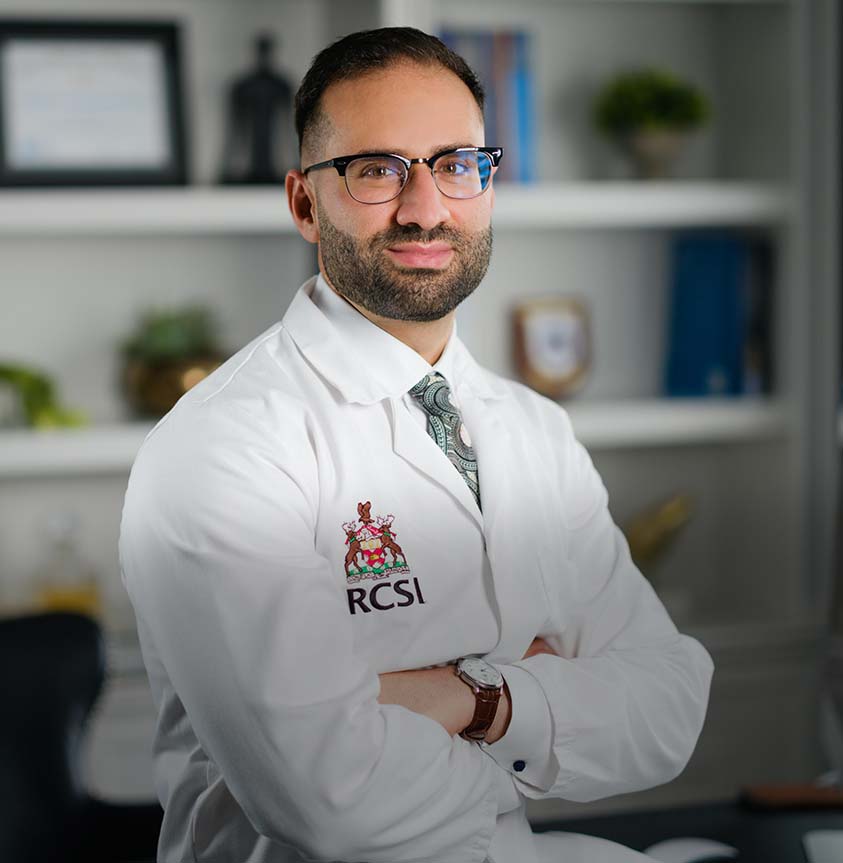
I recommend and prescribe orthodontic treatments to my patients as if they were my own family and I value meaningful relationships based on communication, confidence and trust.

“We highly recommend Dr Erfan Sallom, he transformed our daughter's teeth and she’s extremely happy with her beautiful smile! We were looking for a Orthodontist...”

“I was very anxious about orthodontic treatment and as such delayed it for years. I had no need to be nervous with the expertise and...”
“I would really recommend anyone to Dr Erfan Salloum, my experience with Erfan was amazing. I had no issue he was very knowledgeable about his...”
“I have just finished my two year orthodontic treatment with Dr Erfan and I would highly recommend. He explained everything perfectly about the treatment plan...”