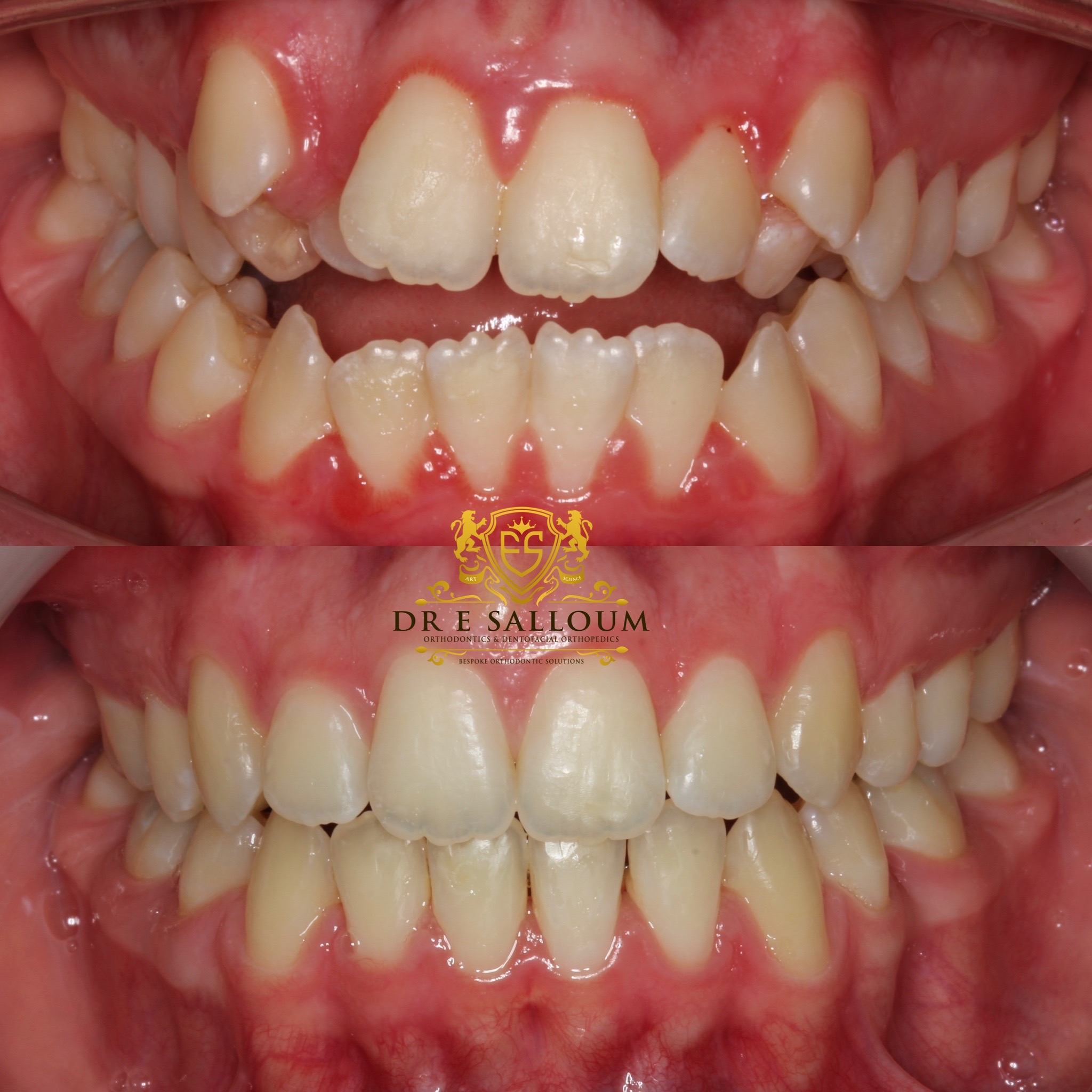
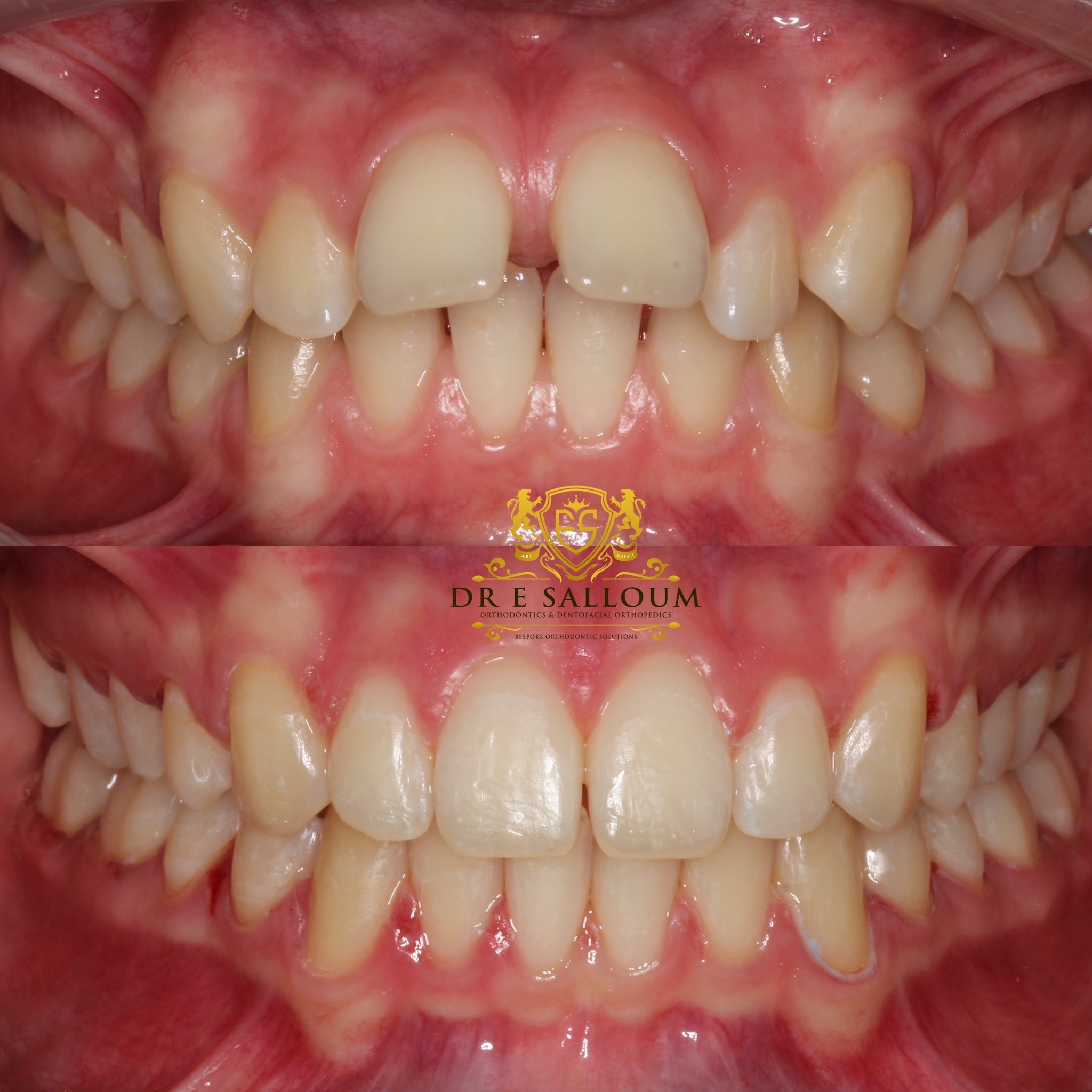
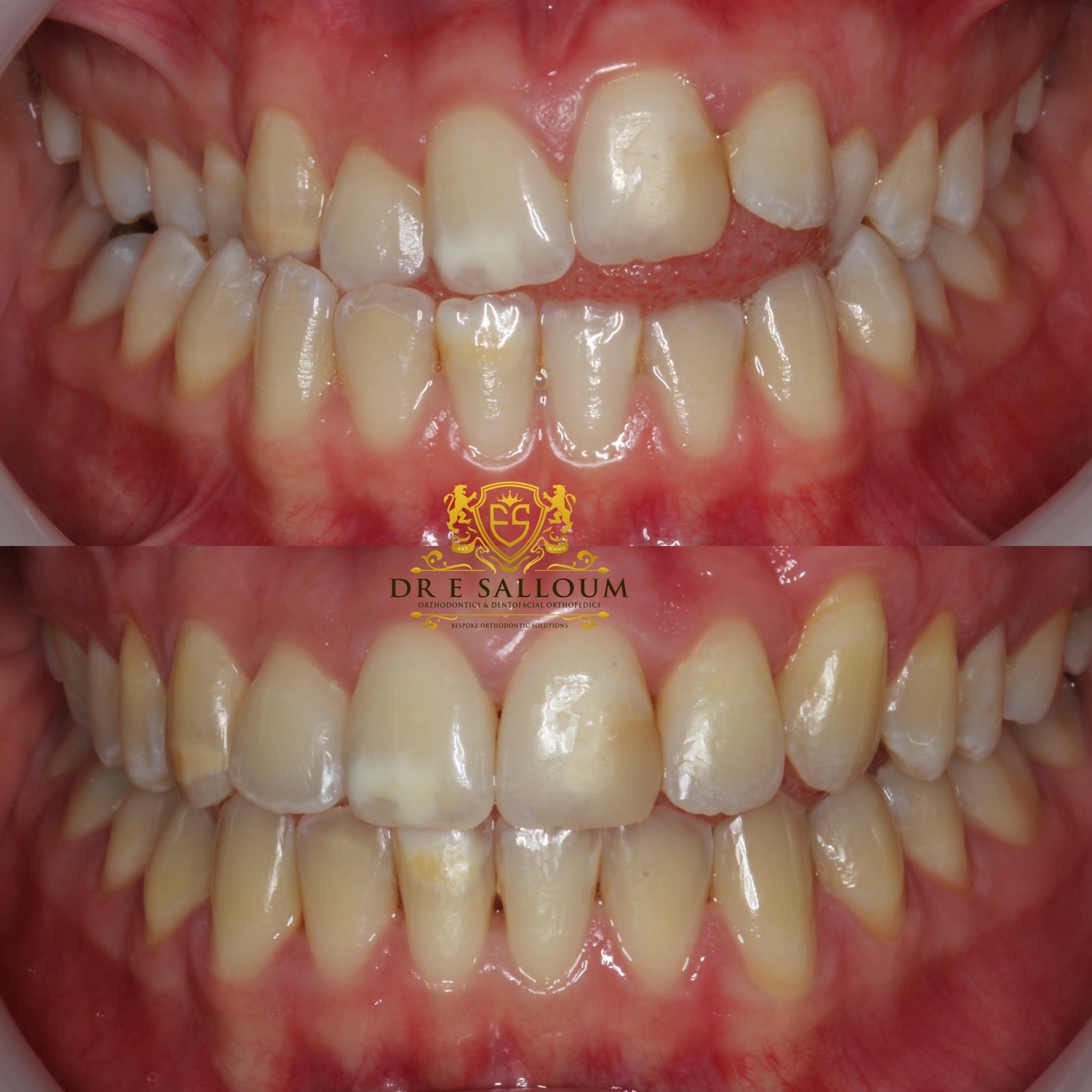
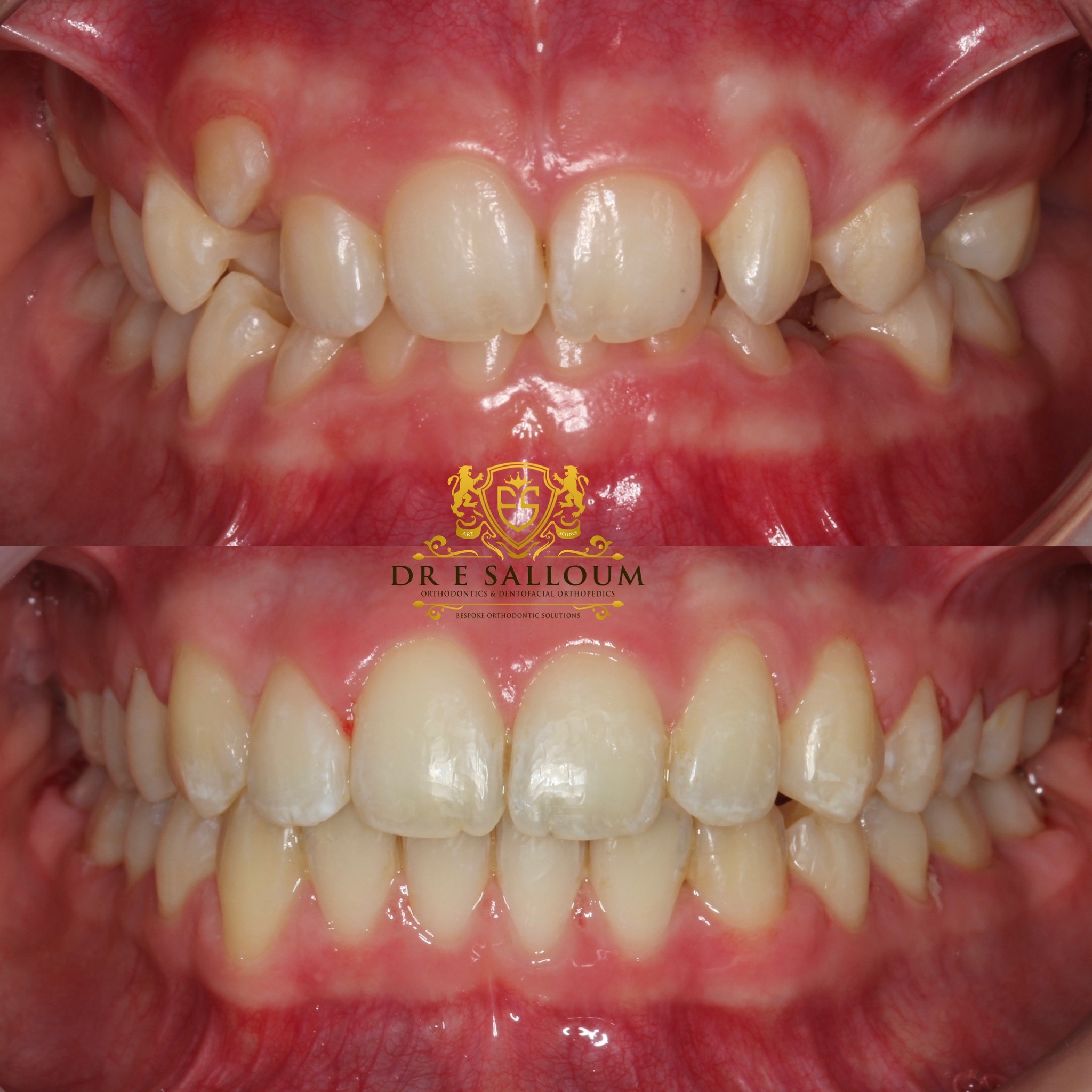
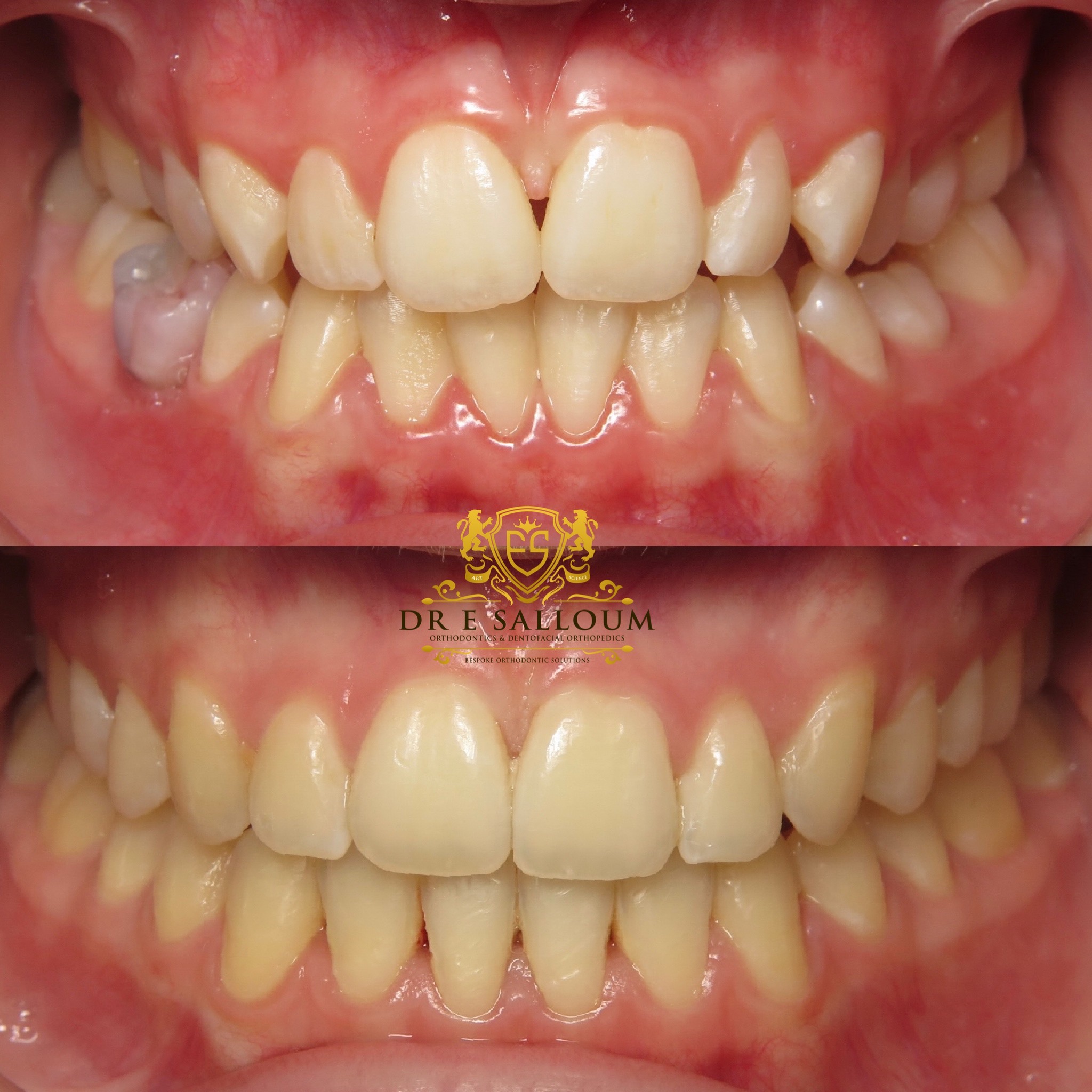
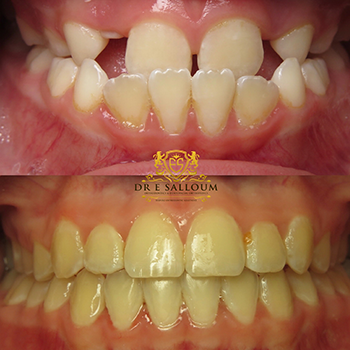
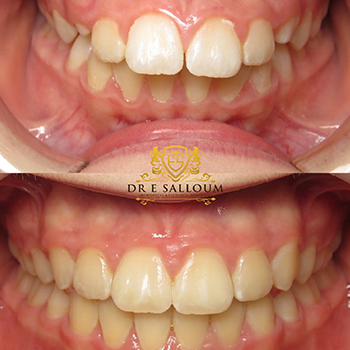
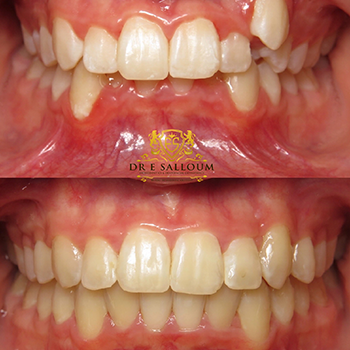
Fixed braces, commonly called train track braces, remain one of the most reliable and effective orthodontic treatments available today.
Many patients searching for braces in Dublin choose fixed braces to correct crooked teeth, improve bite problems, and create a balanced, healthy smile. Attached to the front (labial) surfaces of the teeth. They work continuously to guide teeth into their ideal positions. Because they stay in place throughout treatment, they allow precise control of tooth movement. This makes them suitable for both simple and complex orthodontic problems.
Clear aligners have become more popular in recent years. However, fixed braces remain the most widely used orthodontic treatment worldwide.
They work particularly well for children and teenagers, but many adults also choose them. For many patients, fixed braces offer a predictable, efficient, and cost-effective way to achieve long-term orthodontic results.
Treatment with train track braces usually begins once most or all permanent teeth have erupted.
This typically occurs between:
• 11 and 13 years of age for girls
• 12 and 14 years of age for boys
Every child develops at a different pace, so the ideal timing for orthodontic treatment can vary.
I often recommend an orthodontic assessment around the age of 7. This early visit allows me to identify developing problems and monitor growth before treatment begins.
Most treatments with fixed braces last between 18 and 24 months. The exact duration depends on the complexity of the orthodontic problem and the movements required.
After active treatment, every patient follows a retention protocol. Retainers help maintain the final result and keep the teeth stable long term.
Several types of fixed braces are available today. All use the same orthodontic principles, but they differ mainly in appearance.
Metal braces remain the most common type of train track braces, particularly for children and teenagers.
Manufacturers produce these braces from durable stainless steel. They offer excellent strength and reliability. Their efficiency and cost-effectiveness make them one of the most widely used orthodontic treatments worldwide.
Many younger patients enjoy choosing coloured elastic bands during their orthodontic visits. This allows them to personalise their braces.
Ceramic braces offer a more discreet alternative to metal braces.
The brackets use tooth coloured ceramic material that blends with the natural colour of the teeth. For this reason, many teenagers and adults prefer ceramic braces.
Orthodontists often use clear elastic ligatures with ceramic brackets. These can stain over time. Some patients prefer steel ligatures because they remain clean during treatment.
Ceramic brackets are slightly more delicate than metal brackets. However, they remain a safe and effective orthodontic treatment option.
Lingual braces attach to the inside surfaces of the teeth rather than the front.
Because they sit behind the teeth, they remain completely hidden from view. Many patients consider them the most discreet form of fixed orthodontic treatment.
Lingual braces are custom designed for each patient. They also require specialist training and experience to deliver optimal results.
You can learn more about lingual braces here.
Yes. All fixed braces use the same basic orthodontic principles. Small brackets attach to the teeth and connect with orthodontic wires. These wires apply gentle, controlled forces that gradually guide teeth into their correct positions.
As treatment progresses, I replace the wires with slightly larger and stronger ones to continue moving the teeth. Many patients describe this as “tightening the braces,” although in reality it involves adjusting or changing the wires.
Some orthodontic systems claim faster or superior results.
However, scientific research shows that most conventional fixed braces achieve similar outcomes when used by a specialist orthodontist.
Successful orthodontic treatment depends not only on the braces themselves but also on accurate diagnosis and careful treatment planning.
As a specialist orthodontist, I focus exclusively on diagnosing and treating orthodontic problems.
My training and clinical experience allow me to manage routine alignment problems as well as complex cases involving bite discrepancies, impacted teeth, or jaw relationships.
Modern orthodontic treatment with fixed braces can also incorporate advanced techniques such as temporary anchorage devices (TADs), skeletal expansion (MARPE), or functional appliances when appropriate.
These techniques provide greater control of tooth movement and can improve treatment outcomes in selected cases.

“We highly recommend Dr Erfan Sallom, he transformed our daughter's teeth and she’s extremely happy with her beautiful smile! We were looking for a Orthodontist...”

“I was very anxious about orthodontic treatment and as such delayed it for years. I had no need to be nervous with the expertise and...”
“I would really recommend anyone to Dr Erfan Salloum, my experience with Erfan was amazing. I had no issue he was very knowledgeable about his...”
“I have just finished my two year orthodontic treatment with Dr Erfan and I would highly recommend. He explained everything perfectly about the treatment plan...”