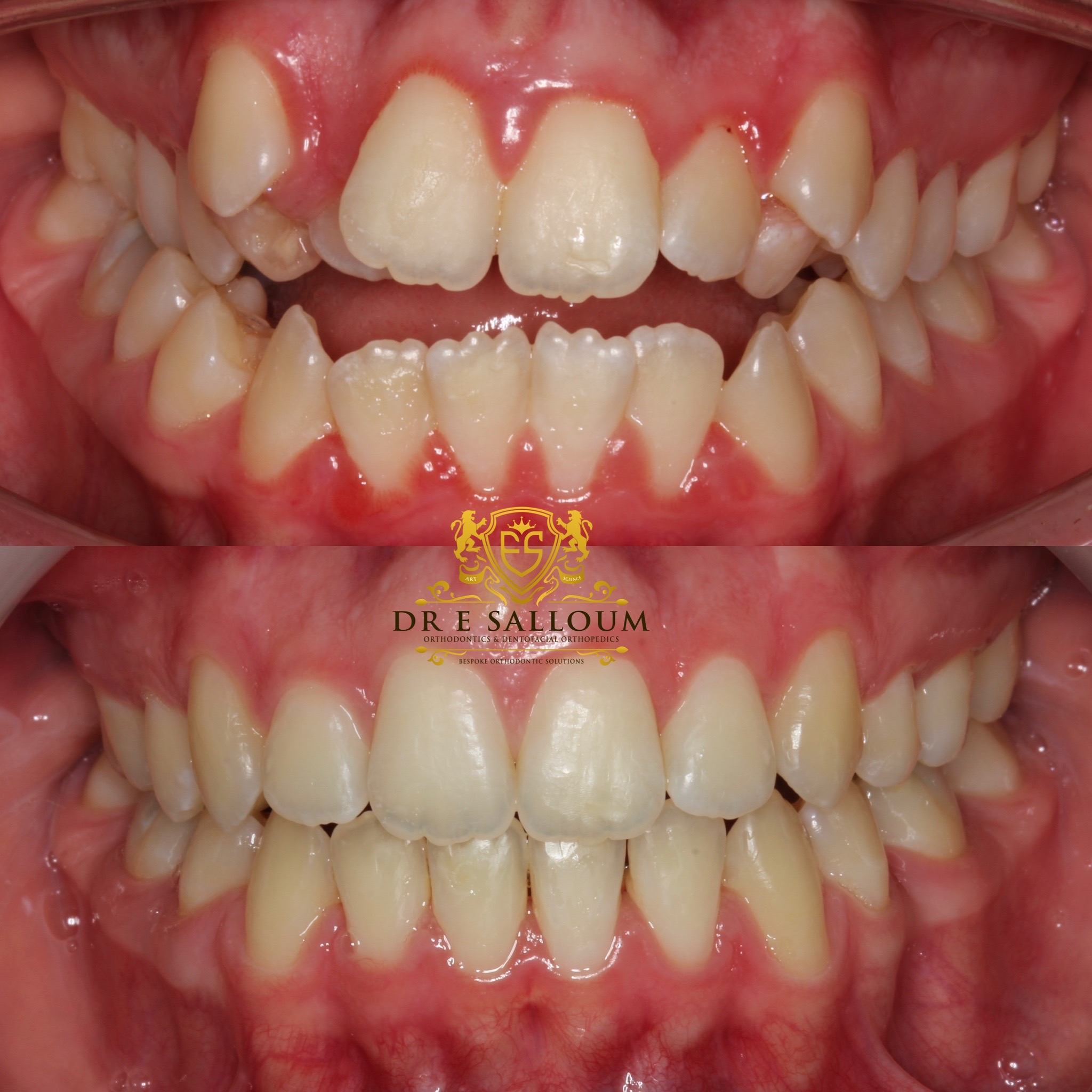
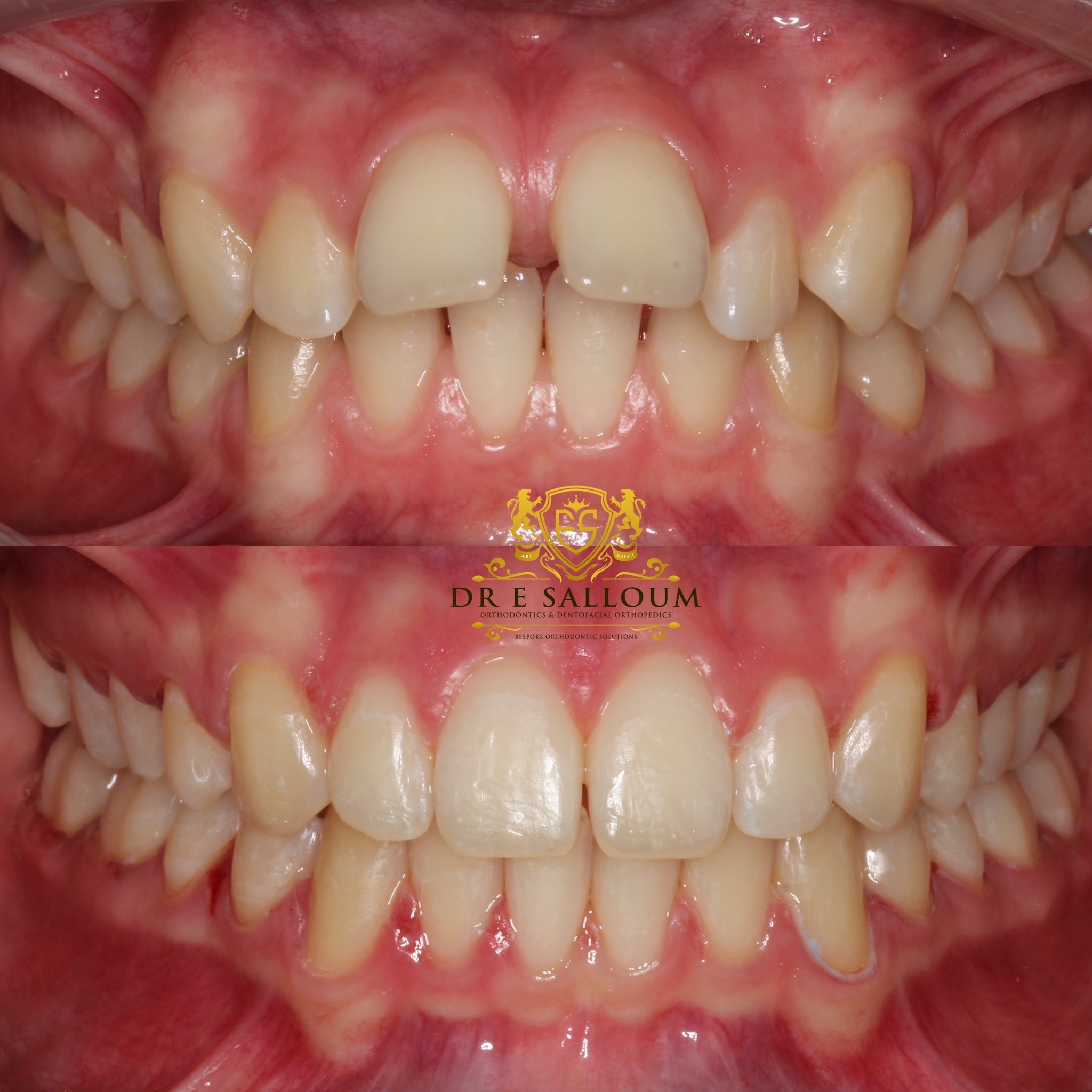
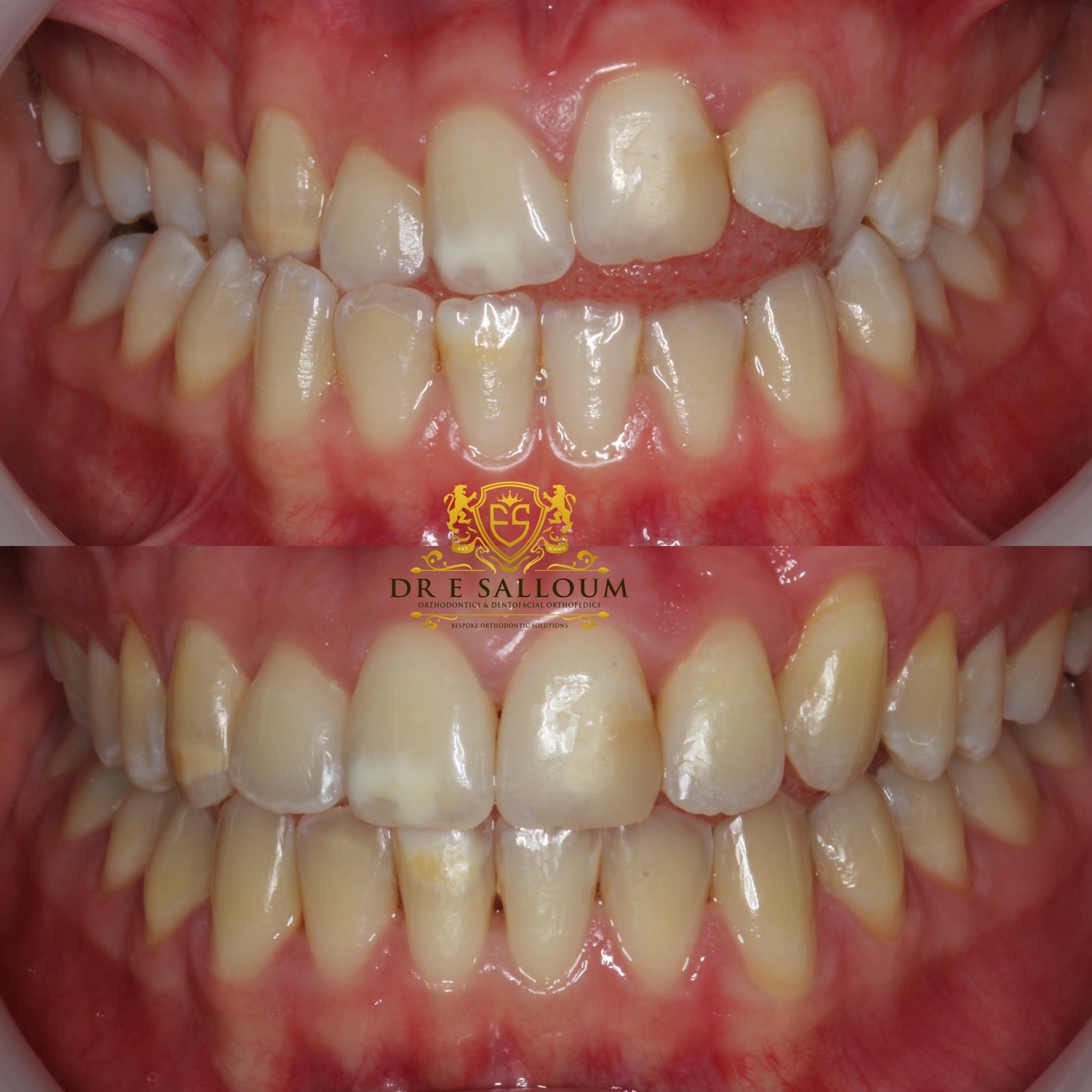
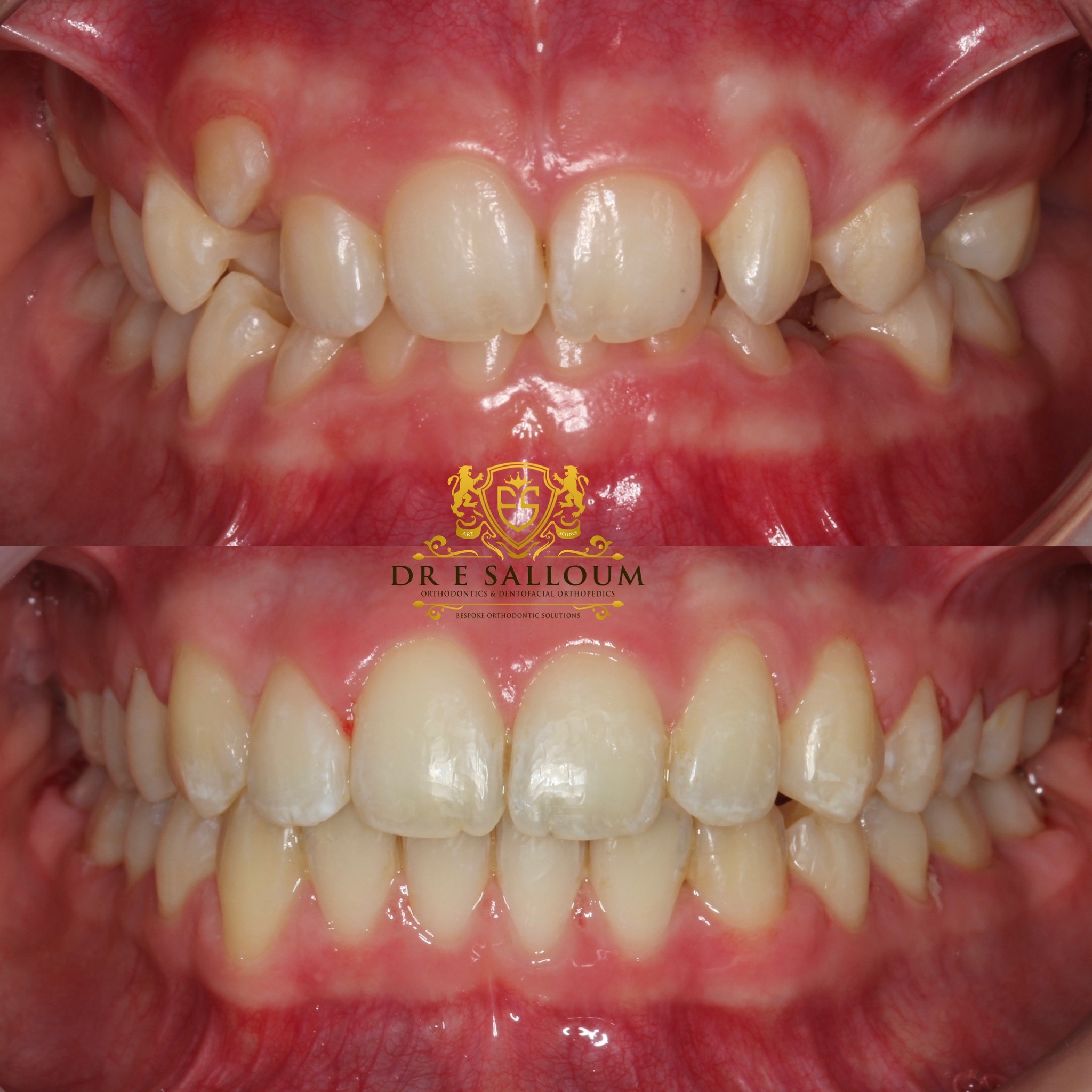
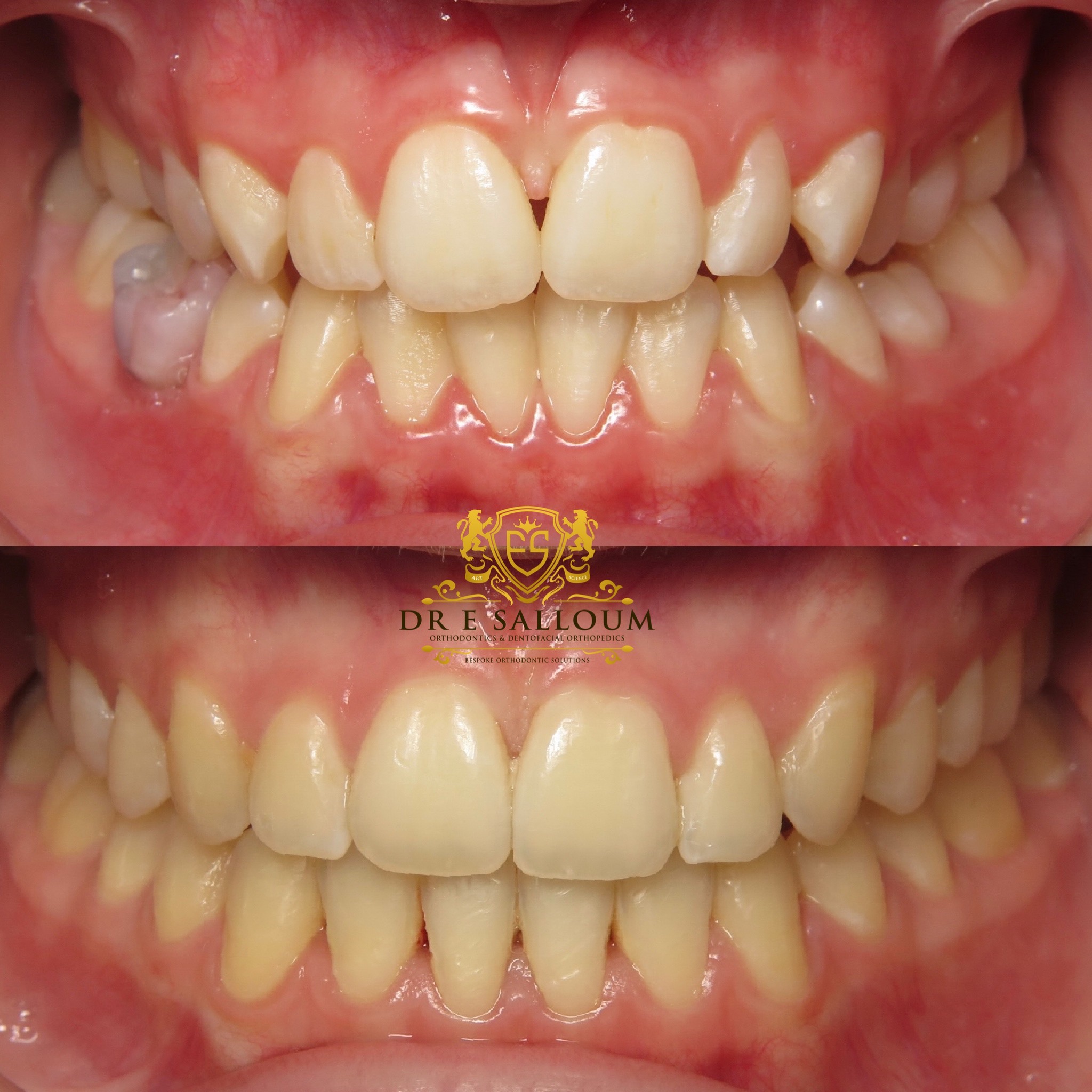
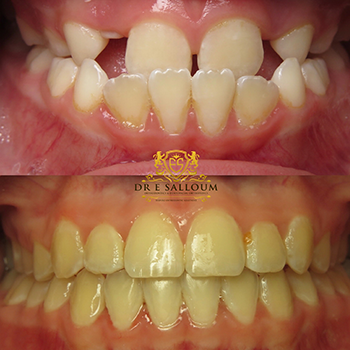
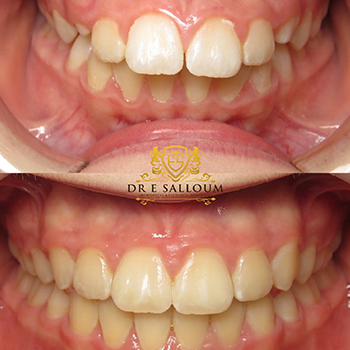
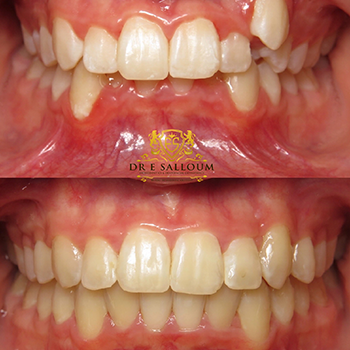
You have completed your orthodontic treatment, your teeth are straight, your bite is balanced, and your smile looks exactly as you hoped. Now comes one of the most important parts of the whole process: keeping it that way.
In my practice in retainer wear is not an afterthought. It is a carefully planned, essential part of every patient’s treatment. This page explains the types of orthodontic retainers we use, why retention matters, and what you can realistically expect over the long term.
Teeth have a natural tendency to drift. After braces or aligners are removed, the fibres in the gums and the bone surrounding your teeth retain a memory of where the teeth used to be. Without a retainer holding them in place, teeth will gradually shift, sometimes subtly, sometimes quite noticeably over time.
This is called orthodontic relapse, and it can happen to anyone, regardless of how straightforward their treatment was. The only reliable way to prevent it is consistent, long-term retainer wear.
That is why, we should view orthodontic retention as a lifelong commitment, not a temporary phase. Think of your retainer the way you think of a seatbelt: something you use every time, because the alternative is a risk not worth taking
This is one of the most important things we want every patient to understand clearly, so let us be completely honest about it.
Retainers prevent orthodontic relapse. They do not stop the natural ageing process.
As we get older, our faces, jaws, and teeth continue to change, slowly and gradually, but continuously. The lower front teeth, in particular, have a lifelong tendency to crowd slightly, even in people who have never had braces. This is a normal biological process driven by ageing and the ongoing forces of the bite, not a failure of retention.
No retainer — however well made or consistently worn — can stop these age-related changes entirely. What a retainer can do, and does very effectively, is prevent your teeth from returning to the position they were in before treatment began. That is its job, and it does it well.
We believe patients deserve to know this upfront. Stable, lasting results come from a combination of well-finished orthodontic treatment and committed long-term retention, not from retainers alone.
Before we discuss retainer types, it is worth making an important point that is often overlooked.
One of the greatest factors in how stable your result is over time is how well the case was finished in the first place.
When teeth are brought together with a well-balanced bite, good interdigitation (meaning the upper and lower teeth fit together snugly, like interlocking puzzle pieces), and the right level of torque and root position, the result is inherently more stable. The teeth are in harmony with the forces of the bite, the muscles, and the surrounding bone.
In my practice, meticulous case finishing is a priority, not just for aesthetics, but because a well-finished case, combined with consistent retention, gives your result the best possible chance of lasting.
There is no single retainer that suits every patient or every situation. The type of retainer we recommend will depend on your individual case, what we are aiming to retain, and your own lifestyle and preferences. Here is an overview of the options we use.
A bonded retainer, sometimes called a fixed or lingual retainer, is a thin wire that is bonded directly to the back surfaces of your teeth. It is invisible from the front, requires no effort to wear, and works continuously, every hour of every day.
I routinely recommend bonded retainers for both the upper and lower front teeth in the majority of cases. Because they are fixed in place, they take compliance entirely out of the equation. You simply cannot forget to put them in.
Bonded retainers do require careful oral hygiene. Cleaning around them takes a little extra attention, and regular dental hygiene visits are important to ensure the gums remain healthy. However, for most patients, this small investment of care is well worth the peace of mind that comes with knowing their teeth are being retained around the clock.
Clear removable retainers, often called Essix retainers or vacuum-formed retainers, are thin, transparent plastic trays that fit snugly over your teeth. They are virtually invisible when worn, comfortable, and easy to insert and remove.
I recommend clear retainers alongside bonded retainers for all of my patients. The two work together: the bonded wire provides constant baseline retention, while the clear retainer adds a second layer of protection, particularly for the overall arch shape and the back teeth.
Clear retainers are typically worn full time for the first few months after treatment, then gradually reduced to nights only over time. They are easy to keep clean and straightforward to replace if lost or worn down.
The Hawley retainer is a traditional, tried-and-tested design consisting of an acrylic base that sits against the roof of the mouth (or along the inside of the lower arch), with a metal wire that crosses the front of the teeth.
Hawley retainers are more rigid than clear plastic retainers, and this rigidity can be an advantage in certain situations. After palatal expansion, for example, we sometimes recommend a Hawley-type retainer to help maintain the new, wider arch width during the period of bone consolidation. The acrylic can also be adjusted over time, which gives us a degree of flexibility that clear retainers do not offer.
Hawley retainers are more noticeable than clear options, but they are extremely durable and long-lasting when cared for properly.
For patients who want the reliability of a fixed bonded retainer but prefer a metal-free option, we are pleased to offer eZtain retainers — one of the most advanced fixed retainer solutions currently available.
Unlike conventional bonded wires, eZtain retainers are designed and fabricated using CAD-CAM technology — a digital, computer-aided manufacturing process that creates a precisely engineered, custom-fitted retainer for each individual patient. Crucially, eZtain retainers are completely metal-free, making them an excellent choice for patients with metal sensitivities or those who simply prefer a more biocompatible solution.
The CAD-CAM design also means exceptional adaptation to the tooth surfaces — far closer and more precise than conventional hand-bent wires. This results in a retainer that is more discreet, more hygienic to maintain, and less prone to the bond failures that can occur when a wire does not sit flush against the tooth. eZtain retainers are bonded to the back of the teeth just like a conventional fixed retainer, so there is nothing to remember to wear and nothing to take in and out.
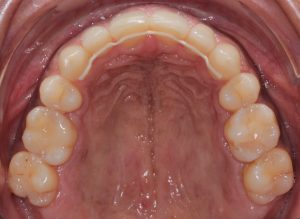
If you are looking for the most aesthetic and technologically advanced fixed retention option, click here to inquire.
In some cases, the type of retainer used during treatment, or what we are specifically aiming to retain, will guide us toward a more tailored solution. For instance, patients who have undergone significant arch development or complex bite correction may need a retainer design that addresses those specific features. Every retention plan at our Dublin practice is based on your individual treatment outcome and long-term goals.
The honest answer is: for life, if you want to maintain your result.
We know that is not always what patients hope to hear. However, because the tendency for teeth to drift never fully disappears, wearing your retainer, at least on a night-time basis — indefinitely is the most reliable way to protect your investment in your smile.
In practice, the protocol I follow is: Where your removable retainers, at night only, every night, for as long as you want them to stay the way we finish them.
We check your retainers at regular review appointments to ensure they still fit well and are doing their job. If a retainer ever feels loose, is lost, or breaks, you need to replace it promptly, even a short gap in retainer wear can allow movement to begin.
Below is a clear guide to our retainer fees. Retainers provided as part of your active orthodontic treatment are included in your overall treatment plan fee. The fees below apply to replacement retainers and to patients attending specifically for retention.
Custom-Made Clear Removable Retainers (Essix-Type)
| Option | Fee |
|---|---|
| Single arch (upper or lower) | €150 |
| Upper and lower set | €300 |
| 3 upper and 3 lower retainers (made from the same scan) | €500 |
Ordering three sets from one scan is a cost-effective choice and highly recommended. It means you always have spares ready, so a lost or damaged retainer never causes unnecessary stress or delay.
Bonded Fixed Retainer Replacement
| Option | Fee per arch |
|---|---|
| Conventional bonded retainer (Orthoflex stainless steel or gold wire) | €300 |
| eZtain metal-free CAD-CAM wire retainer | €500 |
The eZtain option reflects the advanced digital design and fabrication process involved, as well as the superior precision and adaptation it provides compared to a conventionally hand-bent wire.
All fees are discussed and confirmed with you before any work is carried out. If you are unsure which type of retainer is right for you, we are happy to advise during a short consultation
How much do retainers cost in Dublin? Please see the fee guide above for a full breakdown of our retainer costs. As a summary: custom clear removable retainers start from €150 per arch, with a full upper and lower set at €300. Bonded fixed retainer replacement starts from €300 per arch for a conventional wire, or €500 per arch for an eZtain metal-free CAD-CAM retainer.
What happens if I stop wearing my retainer? If you stop wearing your removable retainer, teeth will gradually begin to move. How quickly this happens varies between individuals, but the risk is always present. If you have been away from your retainer for a period and notice it no longer fits comfortably, do not force it in, contact us and we will assess whether a new retainer is needed.
Can I eat with my retainer in? Removable clear and Hawley retainers should always be removed before eating or drinking anything other than plain water. Eating with them in can crack or distort the retainer and damage your teeth. Bonded retainers are fixed and stay in place during eating, but you should take care to avoid biting directly into very hard foods with the front teeth.
How do I clean my retainer? Clean removable retainers daily with a soft toothbrush and cool water. You can also use a retainer cleaning tablet. Avoid hot water, which can warp the plastic. For bonded retainers, use an interdental brush or floss threader to clean carefully around the wire at each brushing.
My teeth have shifted slightly — is it too late? It depends on the degree of movement. In some cases, existing retainers can be adjusted or new ones made. In others, a short additional phase of orthodontic treatment may be needed before new retainers are fitted. Either way, the sooner you come in, the more options we have available.
I had braces years ago and never wore my retainer. Can you help? Yes. This is a very common situation. We see many adult patients who completed orthodontic treatment in their teens, did not retain their result, and have since noticed their teeth shifting. We offer orthodontic retreatment and can provide a full retention plan to protect the new result properly this time.
Whether you are coming to the end of your orthodontic treatment, your current retainer needs replacing, or you are concerned about movement that has already occurred, I can help.
Good retention is the final piece of the orthodontic puzzle. It protects everything you have worked towards and ensures your new smile lasts for years to come. Contact the clinic today to arrange a consultation or to ask any questions about your retainer needs.
If you are having any problems with your current retainers, whether they feel loose, have broken, no longer fit comfortably, or you simply want to upgrade to a newer or more aesthetic option, please do not hesitate to get in touch. We are always happy to review your retention and advise on the best solution for you.
Back to Treatments

“We highly recommend Dr Erfan Sallom, he transformed our daughter's teeth and she’s extremely happy with her beautiful smile! We were looking for a Orthodontist...”

“I was very anxious about orthodontic treatment and as such delayed it for years. I had no need to be nervous with the expertise and...”
“I would really recommend anyone to Dr Erfan Salloum, my experience with Erfan was amazing. I had no issue he was very knowledgeable about his...”
“I have just finished my two year orthodontic treatment with Dr Erfan and I would highly recommend. He explained everything perfectly about the treatment plan...”