By Dr. Erfan Salloum
Skeletal palatal expansion is becoming increasingly popular among both patients and clinicians. Modern expansion techniques now allow orthodontists to treat narrow upper jaws in children, teenagers, and adults using far more advanced and predictable methods than ever before.
In recent years, there has also been growing interest in the relationship between palatal expansion and breathing-related concerns such as sleep-disordered breathing, snoring, and airway issues in both children and adults.
However, this topic should be approached carefully and responsibly.
Breathing disorders are complex and multifactorial. While a narrow upper jaw may contribute in some patients, it is rarely the sole cause of breathing problems. For this reason, I believe skeletal expansion should never be carried out purely to “improve breathing” without proper diagnosis, appropriate medical assessment, and realistic expectations.
If you would like to understand the potential benefits and limitations to palatal expansion, click here. If you want to know more about types of expanders, click here.
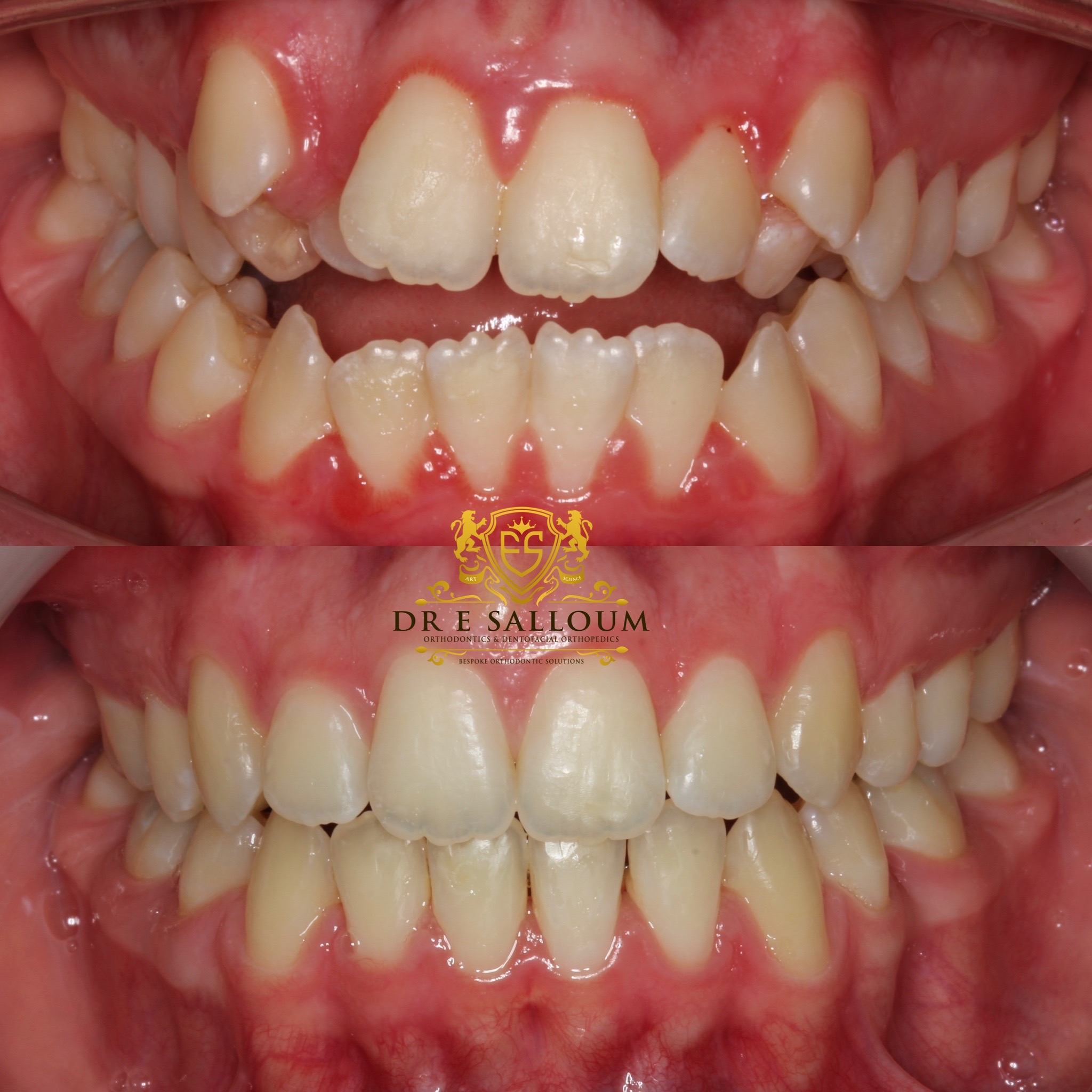
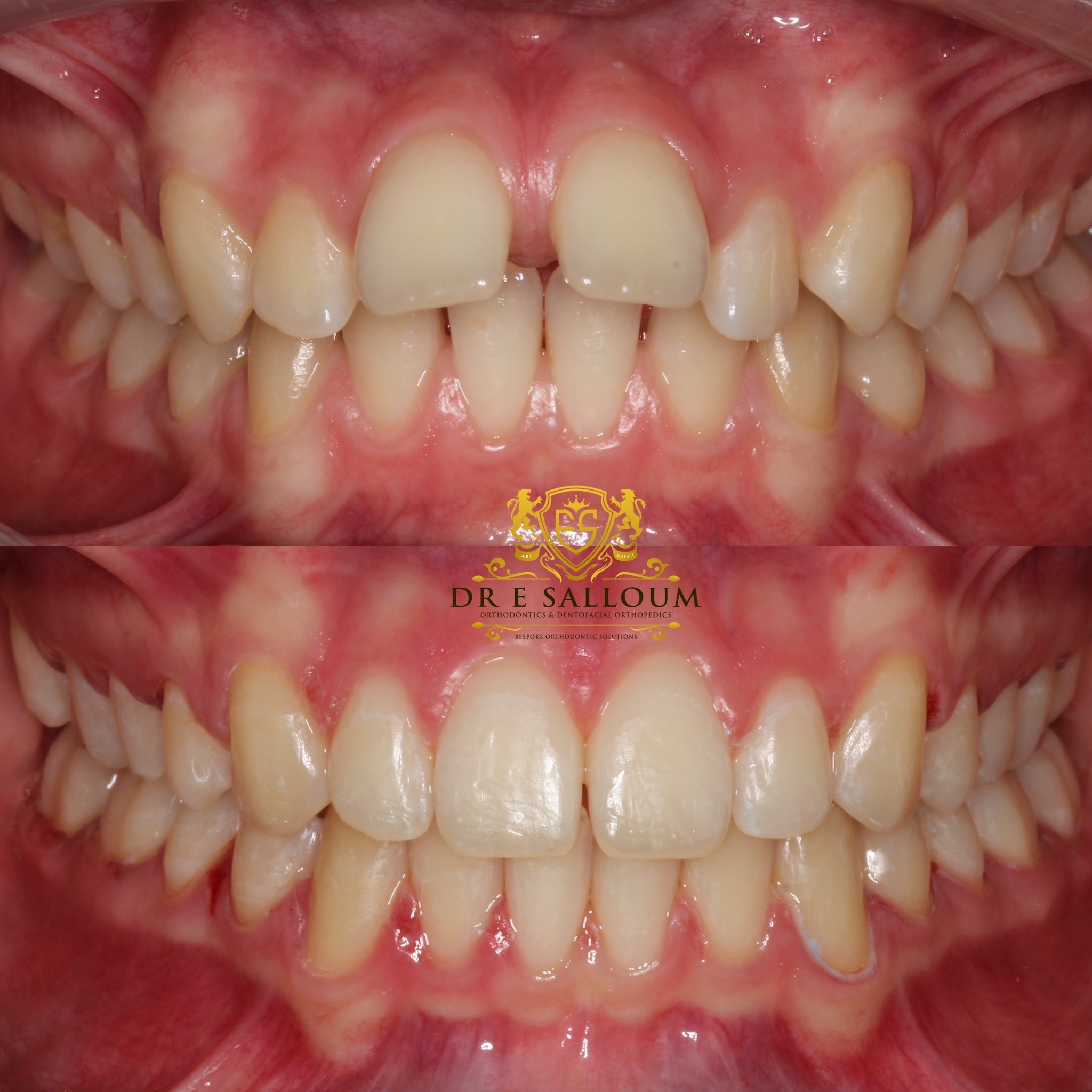
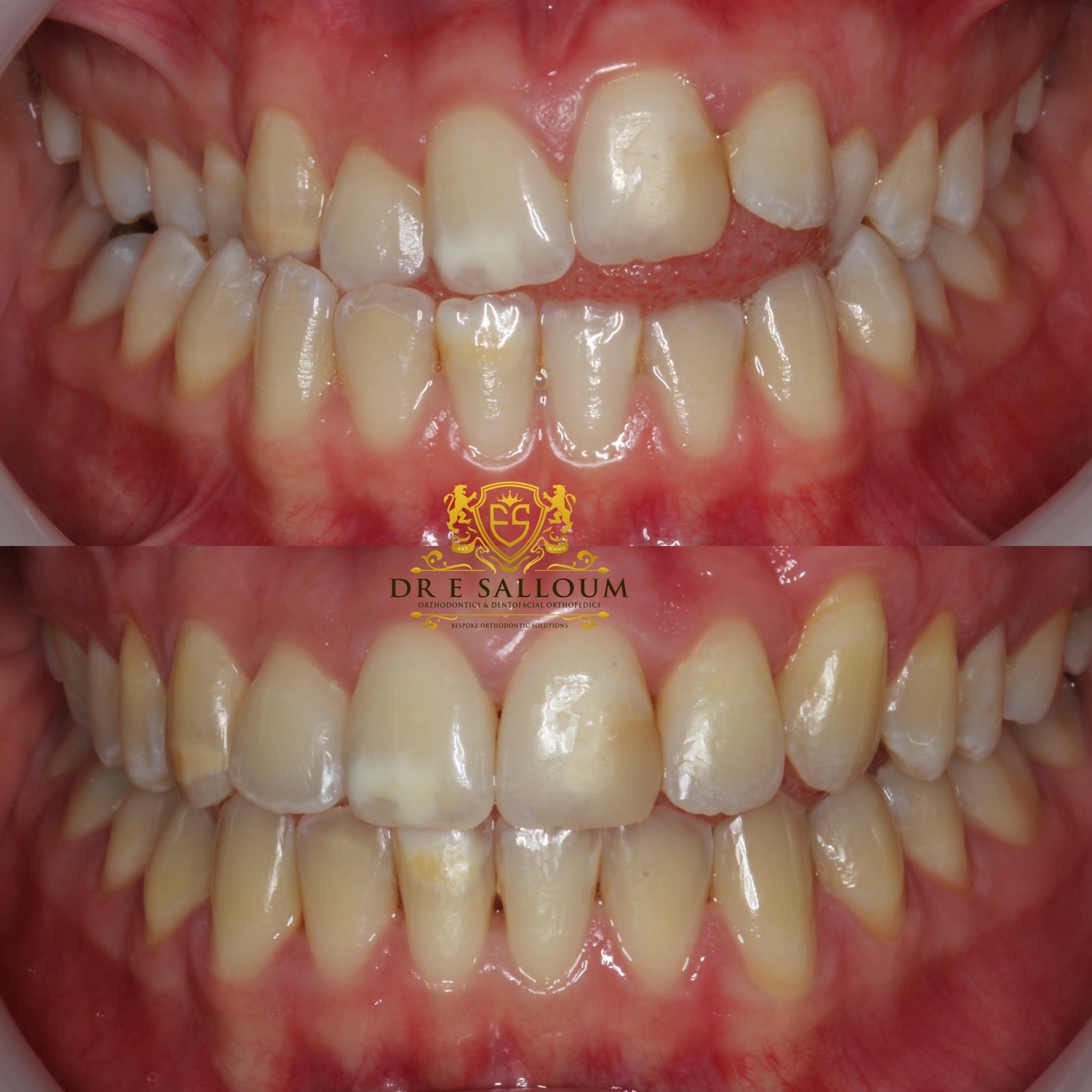
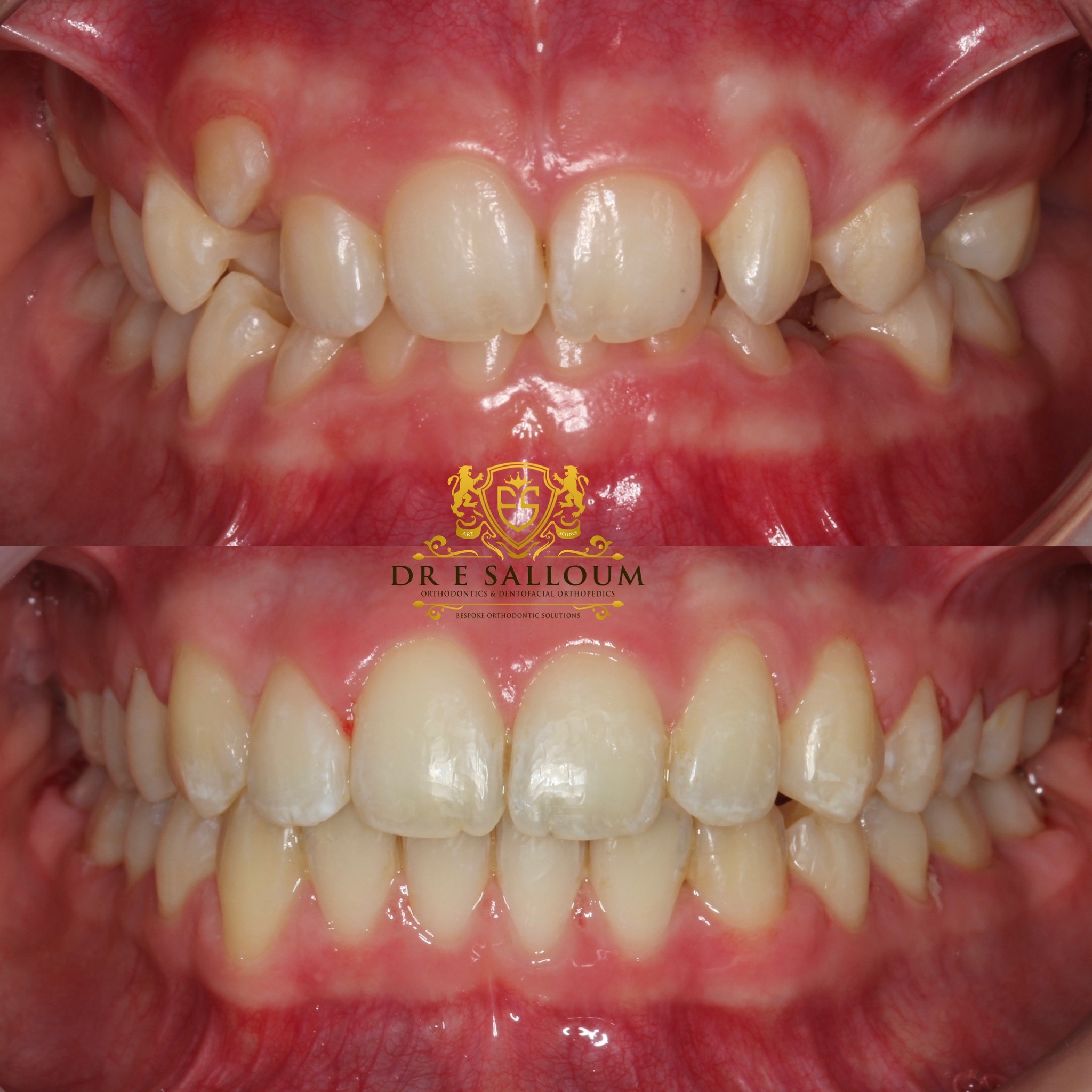
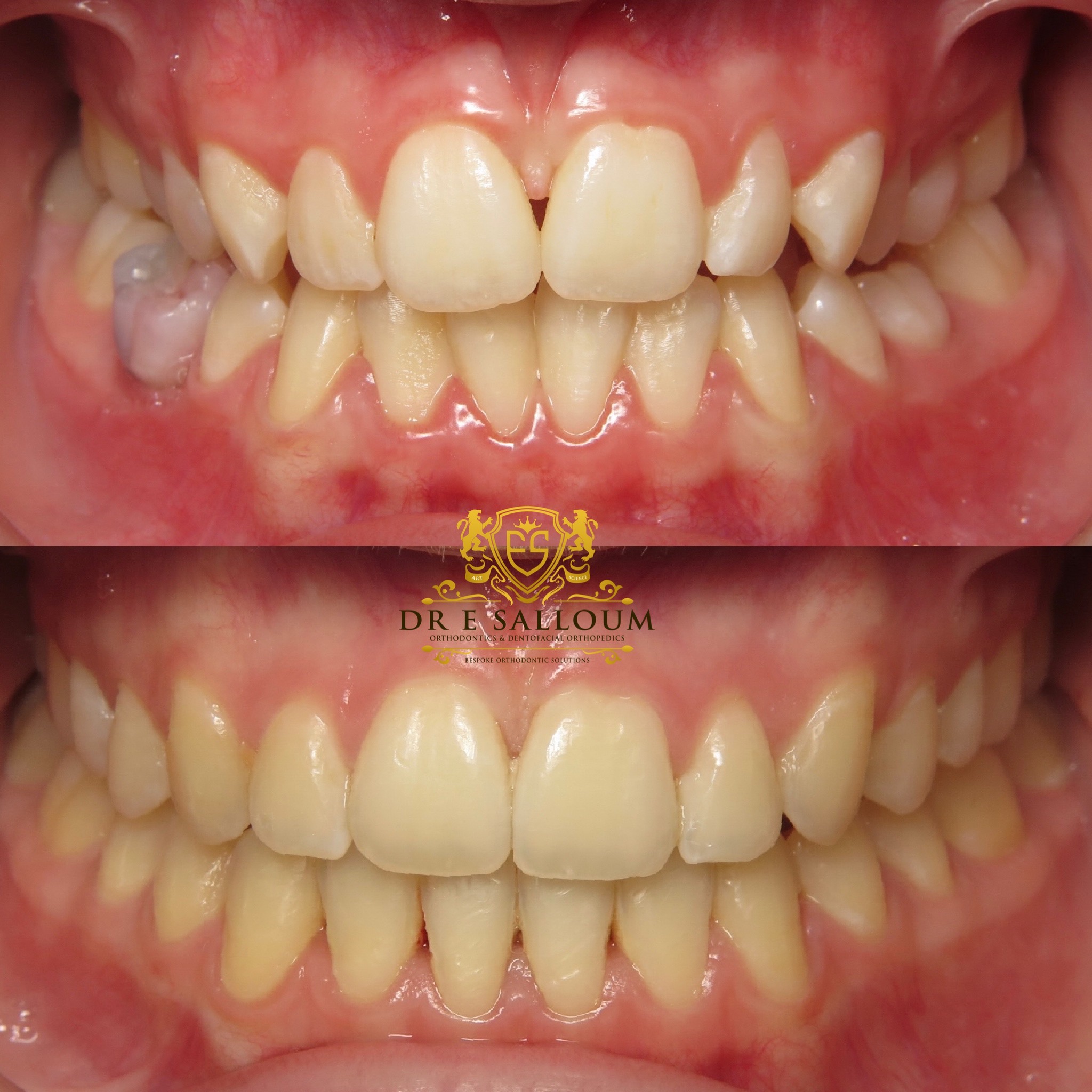
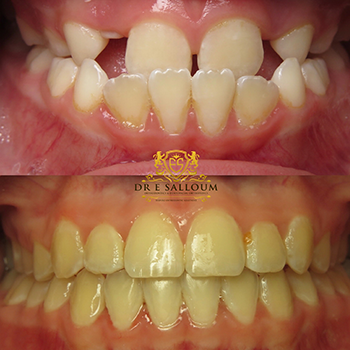
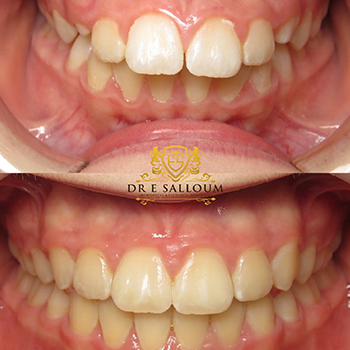
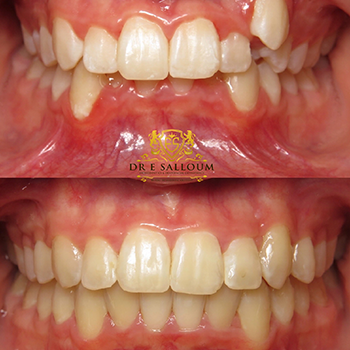
One of the main reasons for palatal expansion is to correct transverse bite problems such as narrow upper jaws and posterior crossbites.
If left untreated, these problems may contribute to:
In some patients, widening the upper jaw may also help improve smile aesthetics and create additional space within the dental arches.
In younger children, palatal expansion is usually relatively straightforward because the sutures within the upper jaw are still soft and flexible.
In children generally under the age of 10, traditional expanders such as:
can often successfully widen the upper jaw by gently opening the mid-palatal suture.
These appliances are attached to the teeth and contain a screw in the middle that is gradually activated over time.
At this age, the bone responds very predictably because the sutures have not yet fused.
As patients grow older, the sutures within the upper jaw gradually become denser and eventually fuse.
Because of this, conventional tooth-borne expanders often become ineffective in teenagers and adults if the aim is true skeletal expansion rather than simply tipping the teeth outward.
This is why more advanced skeletal expansion techniques are often required in older patients.
One of the most common modern skeletal expansion techniques is:
A well-known example is the MSE appliance.
Unlike traditional expanders, MARPE appliances use mini-screws placed directly into the palatal bone. This allows the expansion forces to transfer more directly to the skeleton rather than mainly through the teeth.
As a result, MARPE may help achieve:
Most MARPE appliances are supported by:
In some patients, completely bone-borne expansion appliances may be more suitable.
Examples include:
These appliances rely entirely on skeletal anchorage and do not attach directly to the teeth.
Bone-borne expansion is mainly used in adults or in situations where minimising dental tipping is especially important.
Although MARPE and MSE appliances can be very effective, expansion becomes more challenging with increasing age because the bone becomes denser and more resistant.
In general:
may have a higher risk of unsuccessful suture opening with expansion alone.
In addition, the risk of complications may also increase with age.
For this reason, some adult patients benefit from a minimally invasive surgical procedure combined with skeletal expansion. This is sometimes referred to as:
The aim is to improve the likelihood of successful skeletal expansion while reducing unwanted side effects and complications.
One of the biggest misconceptions about adult skeletal expansion is that treatment is simply about placing screws into the palate and turning an expander.
In reality, successful skeletal expansion depends heavily on:
In my practice, I use advanced digital technologies to carefully plan every skeletal expansion case.
This may include:
I also work closely with some of the leading orthodontic laboratories in Europe to manufacture highly precise expansion appliances tailored to each patient.
If you are considering MARPE, MSE, BARME, BAME, or adult palatal expansion treatment in Dublin, I would be happy to assess your case and discuss whether skeletal expansion may be appropriate for you.
Every patient is different, and careful diagnosis is essential before deciding whether expansion is suitable or likely to be successful.
You can arrange a consultation by contacting Lusk Orthodontics or clicking here to submit an inquiry regarding your concerns.

“We highly recommend Dr Erfan Sallom, he transformed our daughter's teeth and she’s extremely happy with her beautiful smile! We were looking for a Orthodontist...”

“I was very anxious about orthodontic treatment and as such delayed it for years. I had no need to be nervous with the expertise and...”
“I would really recommend anyone to Dr Erfan Salloum, my experience with Erfan was amazing. I had no issue he was very knowledgeable about his...”
“I have just finished my two year orthodontic treatment with Dr Erfan and I would highly recommend. He explained everything perfectly about the treatment plan...”