By Dr Erfan Salloum, DDS, DClinDent (Orth), MOrth RCSEd, FFD (Orth) RCSI, MOrth RCSEng, FDS RCPSG, FDS RCSEng Diplomate of the European Board of Aligner Orthodontics (EBAO) | Specialist Orthodontist, Lusk Orthodontics | Active Member, European and World Societies of Lingual Orthodontics
Before anything else, it is important to acknowledge something positive: the overall standard of orthodontic care in Ireland is very high. While not every clinic offers every type of treatment, Irish-trained specialist orthodontists are, as a profession, exceptionally well educated, highly skilled, and deeply committed to patient care. Becoming a specialist in Ireland requires years of rigorous training, demanding examinations, and a genuine dedication to patients. If you are being treated by a registered specialist orthodontist in Ireland, you are in very good hands.
That said, choosing the right orthodontist in Dublin for you can still feel overwhelming. A quick Google search reveals dozens of clinics describing themselves as “the best,” “most advanced,” or “leading specialists.” In today’s world of digital marketing, those phrases are easy to claim, and patients understandably want a clearer way to compare clinicians beyond marketing language.
This guide is designed to help you do exactly that. It explains what to look for when choosing an orthodontist in Dublin for you or your child, so you can make an informed decision with confidence.
Proper academic qualifications remain the most reliable indicator of clinical skill, safety, and treatment outcomes.
To be recognised as a specialist orthodontist in Ireland, a clinician must undertake a three-year full time university hospital training and hold at least a Master’s Degree or Doctorate in Orthodontics from a recognised university in order to appear on the Specialist Register of the Irish Dental Council.
Always check the register before booking. Not all overseas or online “Master” qualifications meet Irish Dental Council standards, and verifying registration is a simple step that gives patients real peace of mind. It confirms that your orthodontist has completed the rigorous, university-level postgraduate training required to diagnose and manage orthodontic problems.
A helpful note for patients: general dentists in Ireland are highly trained and many provide excellent dental care. Specialist orthodontists, however, have completed an additional three-year full-time postgraduate programme dedicated solely to orthodontics. For complex tooth movement, growth modification, or skeletal correction, that additional training is what the Specialist Register is designed to identify.
Once specialist registration is confirmed, some patients like to look further into a clinician’s wider postgraduate achievements.
Qualifications such as:
…are achieved through demanding Royal College examinations in Edinburgh, Glasgow, England, and Ireland.
These are earned qualifications, awarded through peer-reviewed clinical and theoretical assessments. They reflect a clinician’s choice to undertake additional independent examination beyond what is required to practise as a specialist, a personal commitment to continued professional development.
A smaller group of specialist orthodontists choose to go even further by pursuing international board certifications. These are not necessary to practise to a high standard in Ireland, but they offer an additional layer of independent peer review at a global level.
Examples include:
Each of these requires the orthodontist to present treated patient cases for critical evaluation by international examiners, with cases judged against global standards for diagnostic accuracy, treatment finishing, function, and aesthetics. They reflect a personal commitment to lifelong learning and are one of several indicators patients may consider when researching their options.
Qualifications speak to clinical skill, but patient reviews often reveal the human side of care.
Ask for recommendations from friends, family, or your own family dentist, then look at independent platforms such as Google Reviews, Doctify, or social media. Pay attention not only to clinical outcomes, but also to how patients describe their journey. Did they feel listened to? Was communication clear? Did they feel cared for?
A great orthodontist combines technical expertise with kindness, clear communication, and empathy. As the saying goes, “People don’t care how much you know until they know how much you care.”
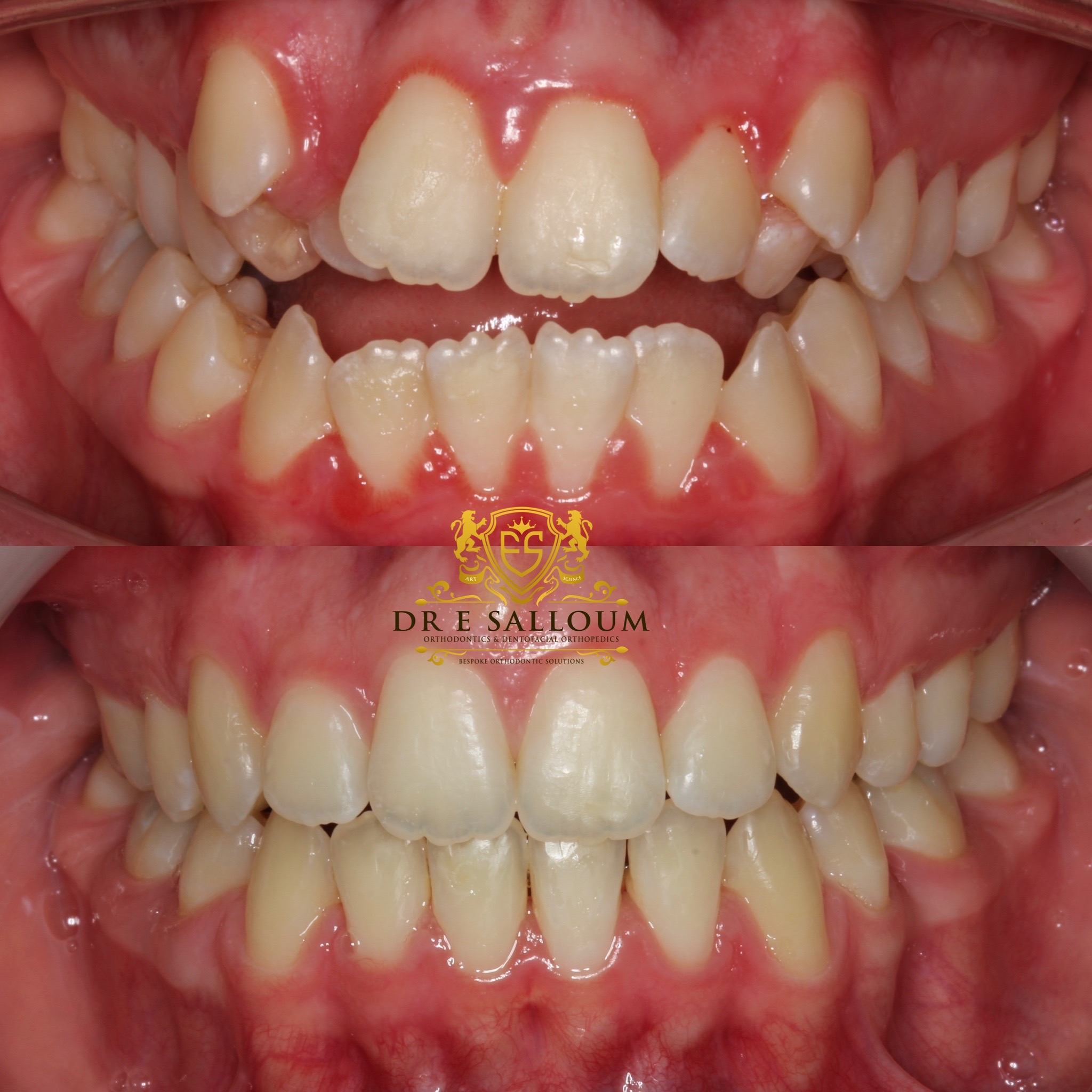
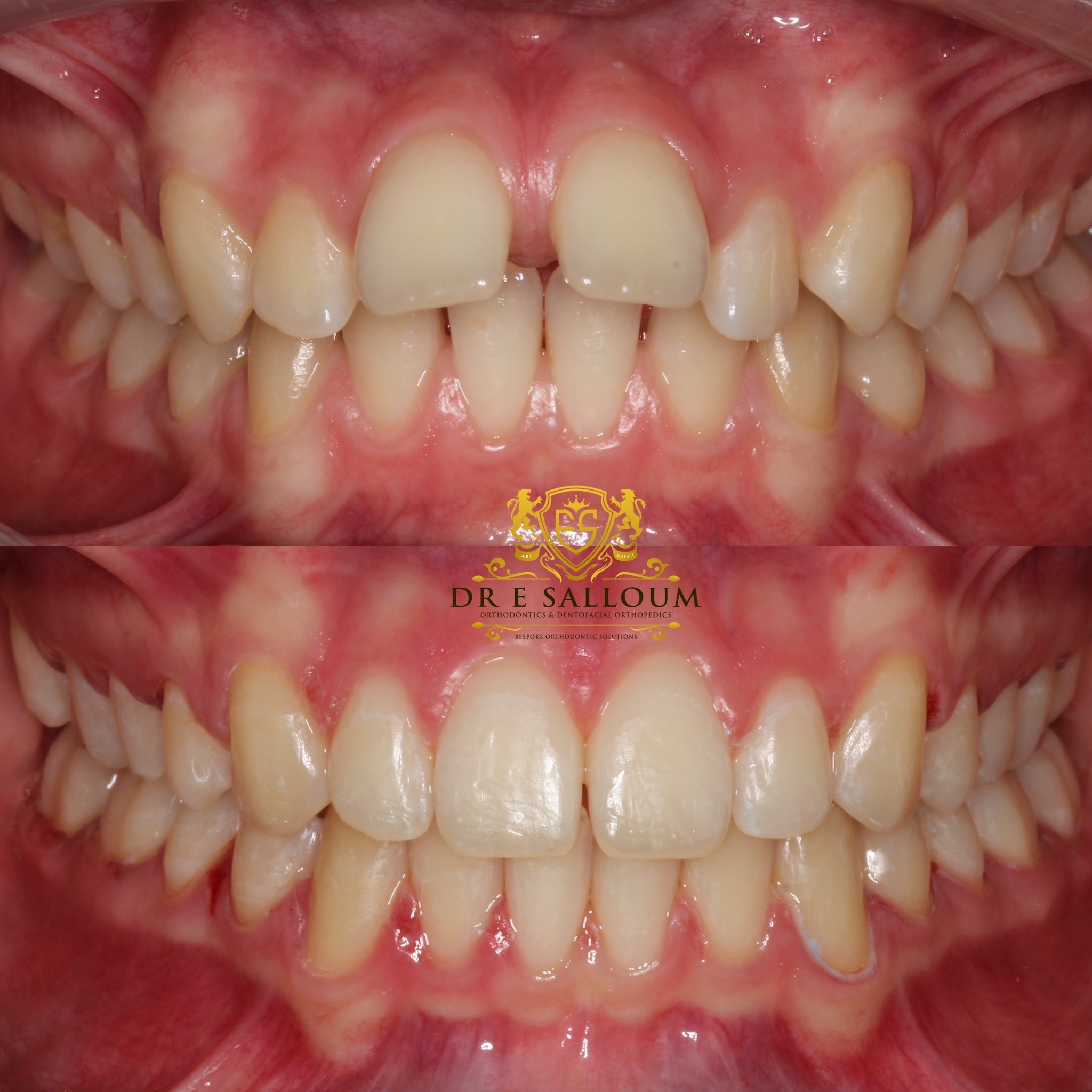
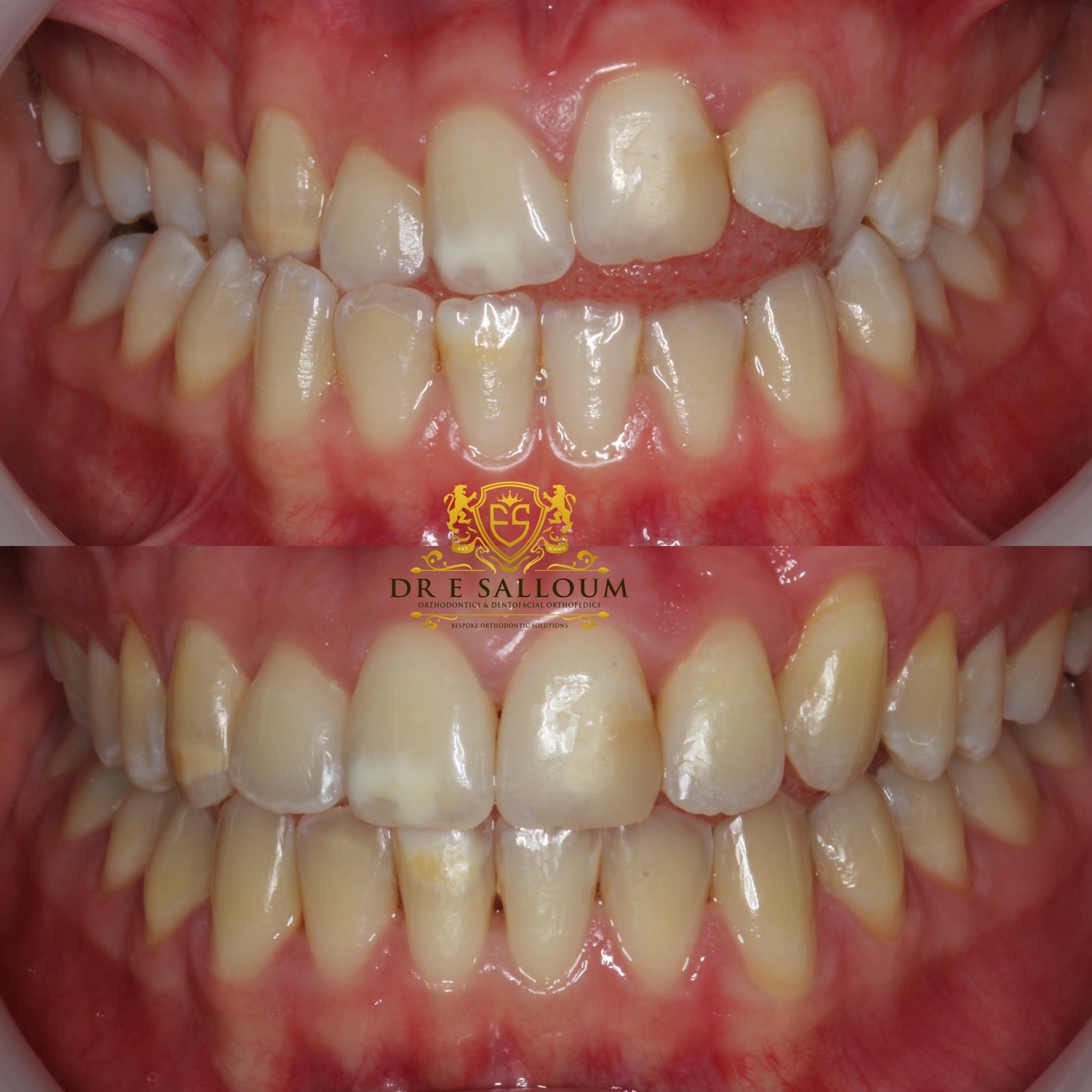
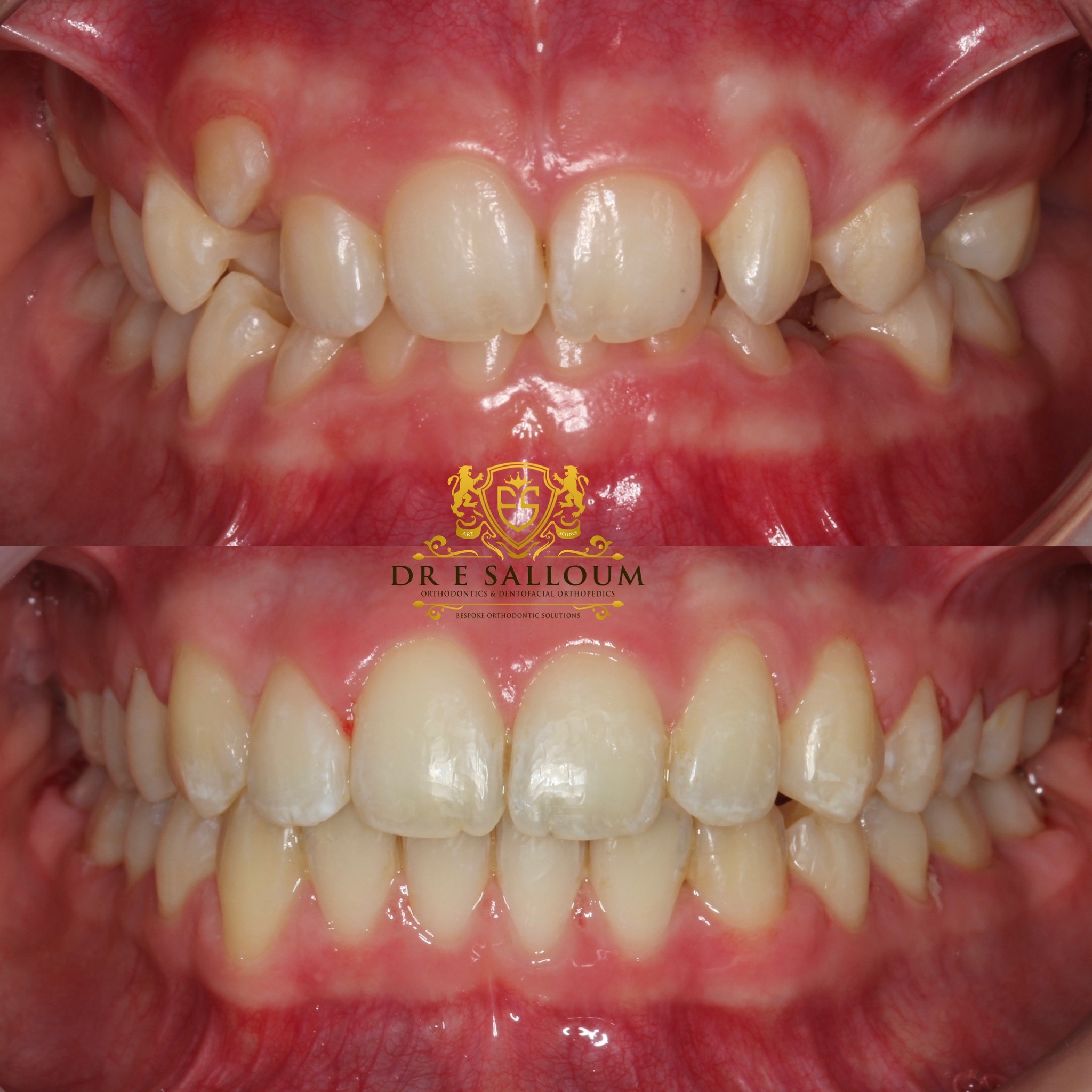
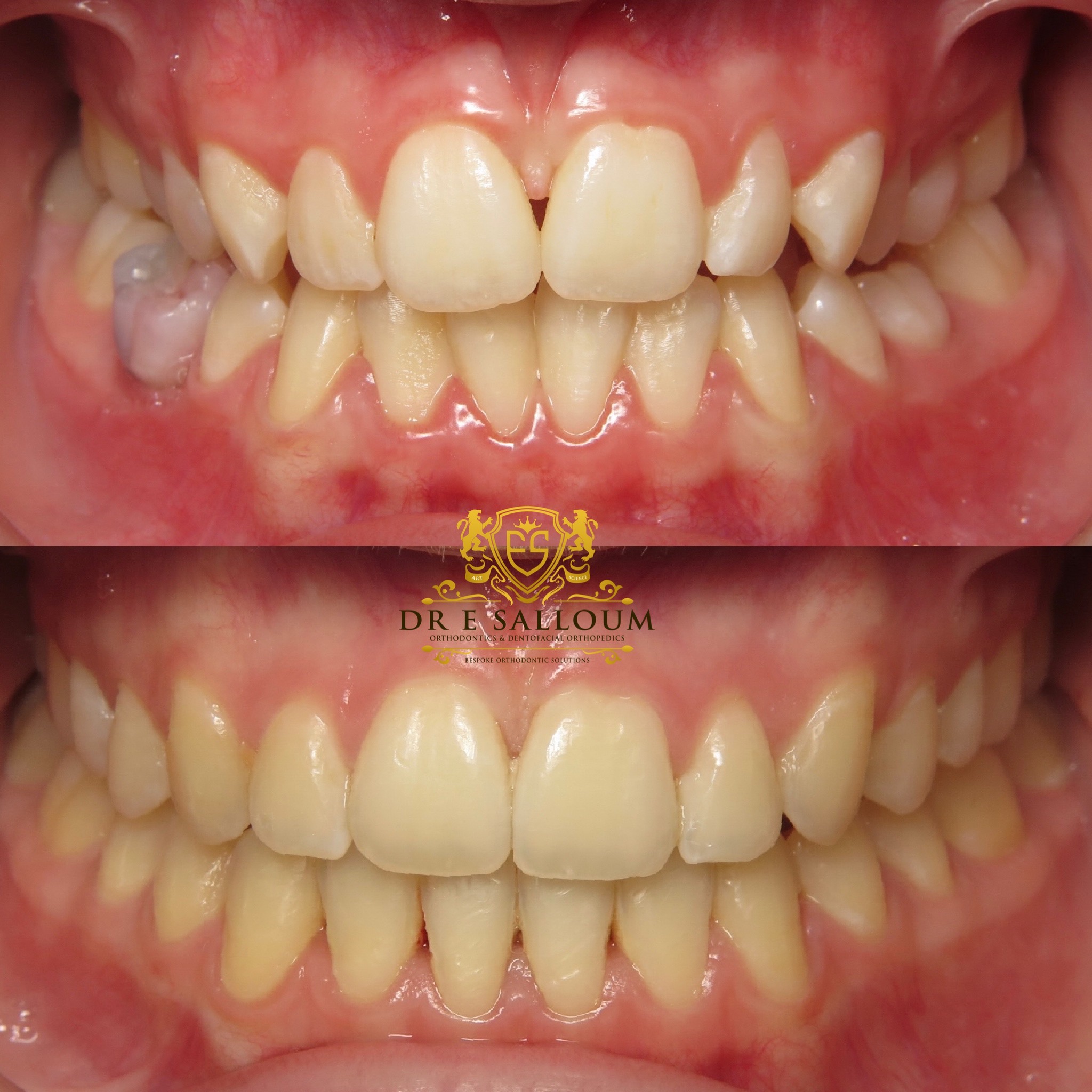
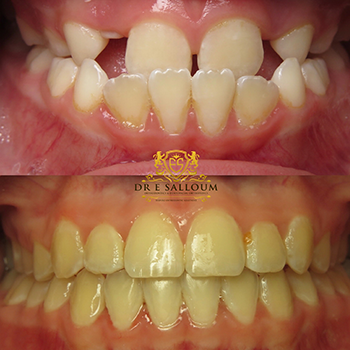
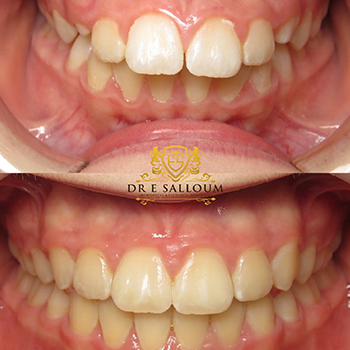
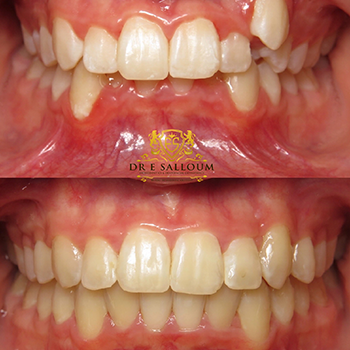
In today’s digital world, transparency builds trust. Many orthodontists in Dublin happily share examples of their treated cases, and looking at real before-and-after results is one of the most useful exercises a prospective patient can do.
When researching, it can help to look at:
While qualifications and experience remain the most important factors, the clinic environment also contributes to the overall patient experience. Most modern Dublin orthodontic practices now use:
Investment in both ongoing training and modern technology helps deliver precise, predictable, and aesthetically refined results.
The standard of orthodontic care in Ireland is genuinely high, and patients here are fortunate to have access to many excellent specialists. Choosing the right one for you is less about finding “the best” in an abstract sense, and more about finding the clinician whose training, communication style, and approach to care align with your needs.
When making your decision, it can help to look for:
Above all, choose someone you trust, a clinician who listens to you, explains your options clearly, and treats you with the care and respect every patient deserves.
If you would like to discuss your treatment options, you can submit an online inquiry form, or click here to book your consultation at Lusk Orthodontics. We provide expert care across braces, clear aligners, and lingual orthodontics, airway focused treatment planning and skeletal expansion for both children and adults.
Back to Blog
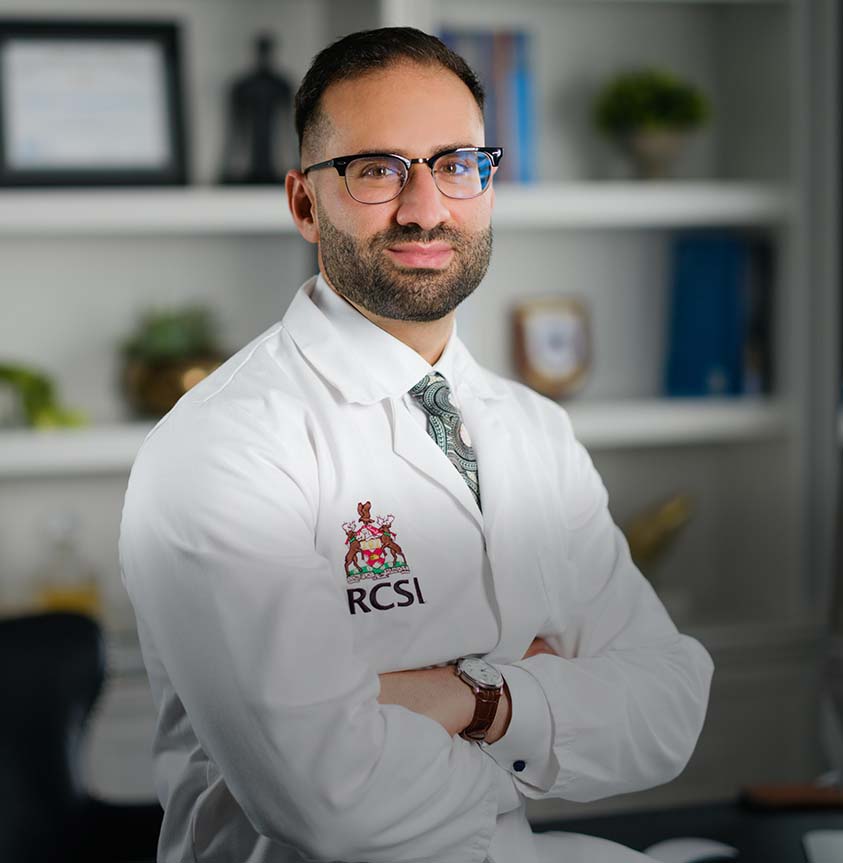
I recommend and prescribe orthodontic treatments to my patients as if they were my own family and I value meaningful relationships based on communication, confidence and trust.

“We highly recommend Dr Erfan Sallom, he transformed our daughter's teeth and she’s extremely happy with her beautiful smile! We were looking for a Orthodontist...”

“I was very anxious about orthodontic treatment and as such delayed it for years. I had no need to be nervous with the expertise and...”
“I would really recommend anyone to Dr Erfan Salloum, my experience with Erfan was amazing. I had no issue he was very knowledgeable about his...”
“I have just finished my two year orthodontic treatment with Dr Erfan and I would highly recommend. He explained everything perfectly about the treatment plan...”