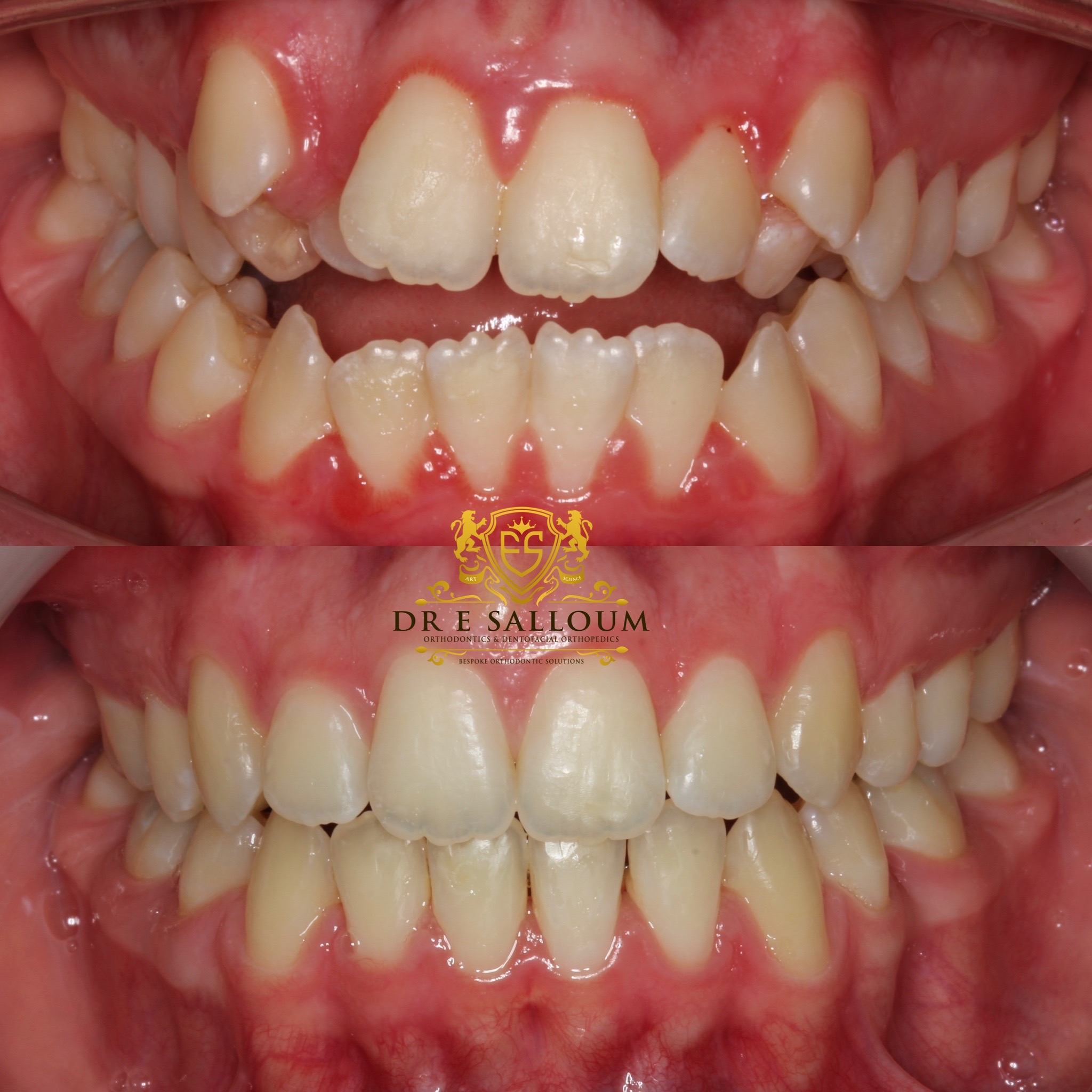
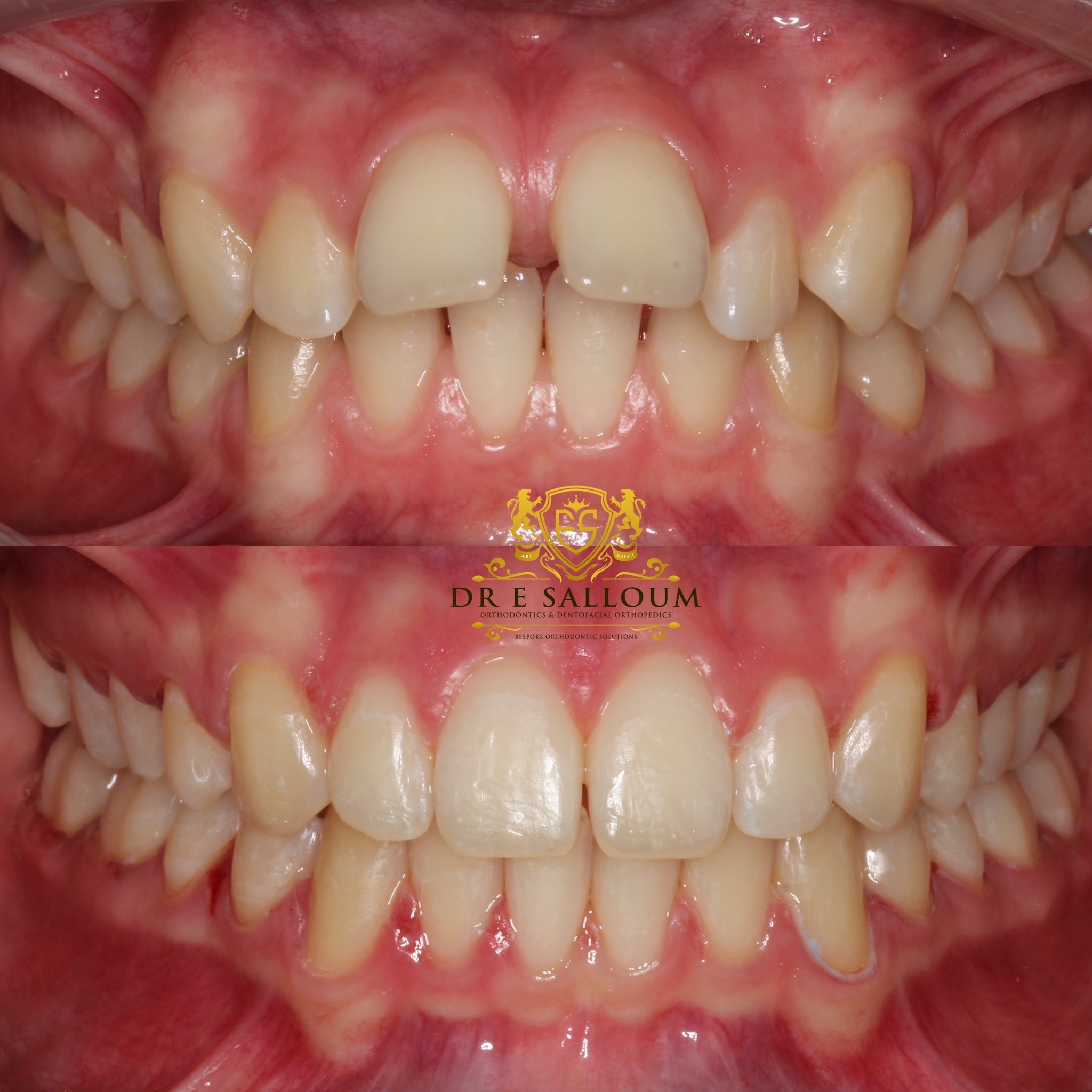
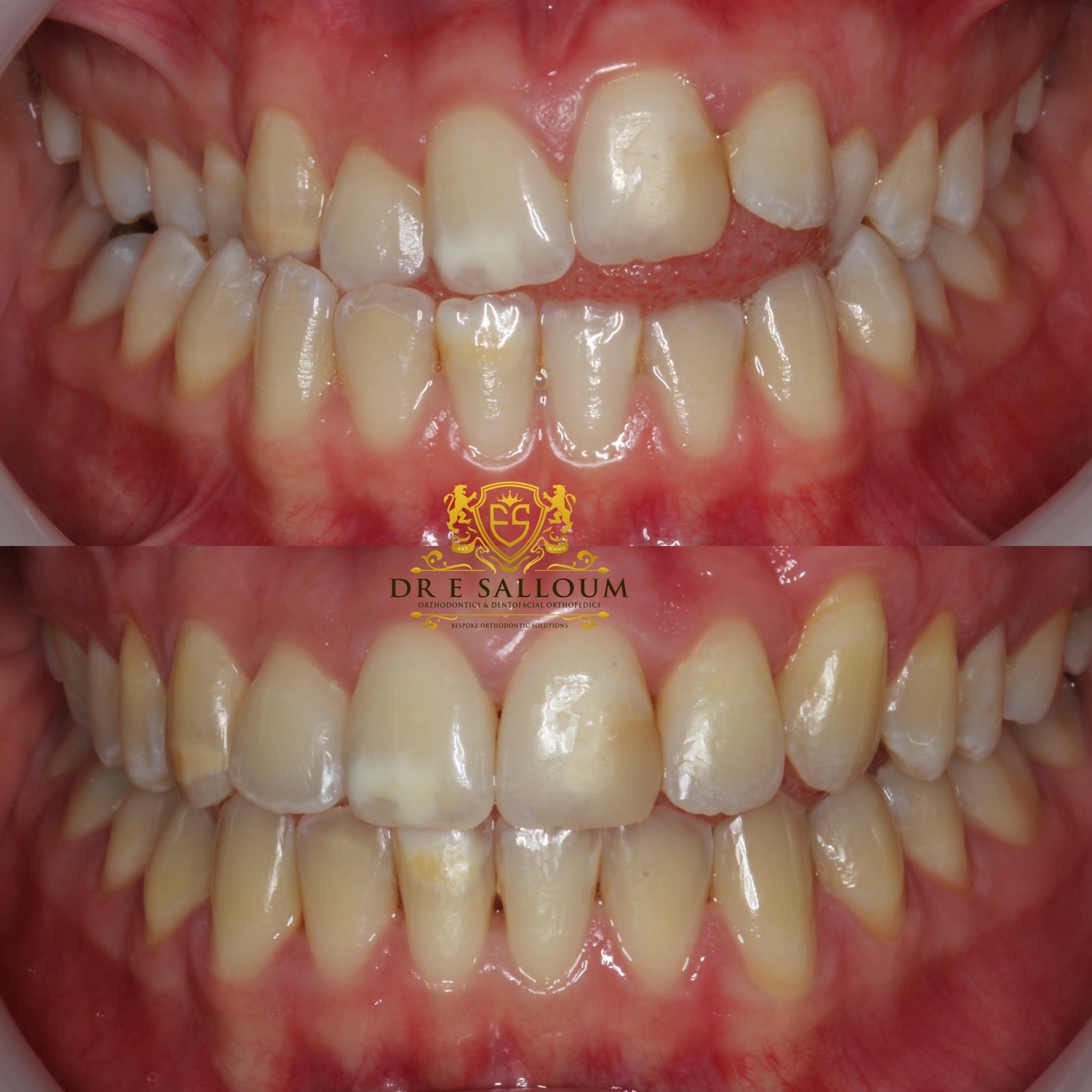
Interest in airway health and breathing has grown significantly in recent years. Many patients now ask whether orthodontic treatment, such as airway orthodontics in Dublin, can improve breathing, prevent sleep apnoea, or whether previous dental treatments may have contributed to breathing problems.
As a specialist orthodontist in Dublin, I am frequently asked these questions during consultations. The relationship between jaw development, orthodontics, and airway health is an important topic, but it is also often misunderstood.
Understanding what current scientific evidence actually shows can help patients make informed decisions about their treatment.
Sleep-disordered breathing (SDB) is a group of conditions that range from simple snoring to obstructive sleep apnea (OSA). OSA occurs when the airway repeatedly collapses during sleep, causing interruptions in breathing and reduced oxygen levels.
Sleep apnea is a medical condition, and its diagnosis requires a sleep study performed by a physician. Orthodontists and dentists may identify possible risk factors, but they cannot diagnose sleep apnea themselves.
Sleep apnea has many contributing factors, including:
• obesity or body weight
• enlarged tonsils or adenoids
• nasal obstruction
• jaw and facial anatomy
• neuromuscular control of breathing during sleep
Because multiple mechanisms can cause airway collapse, sleep apnea is considered a multifactorial medical condition rather than a problem caused by a single dental issue.
Orthodontists routinely assess jaw development, facial structure, and dental alignment. This places them in a unique position to screen for potential airway risk factors, particularly in growing children.
Signs that may raise concern include:
• chronic mouth breathing
• loud snoring
• nasal obstruction
• enlarged tonsils
• abnormal jaw development
When these signs are present, orthodontists may refer patients to ENT specialists or sleep physicians for further evaluation.
According to the American Association of Orthodontists, orthodontists play an important role in screening and referral for sleep-disordered breathing, but medical diagnosis must always be made by a physician.
This collaborative approach ensures patients receive appropriate care.
One of the most common claims seen online is that orthodontic tooth extractions can cause sleep apnea later in life.
Current scientific evidence does not support a causal relationship between orthodontic extractions and sleep-disordered breathing.
Orthodontic extractions are sometimes recommended when there is:
• severe crowding
• significant dental protrusion
• compromised periodontal support
• complex bite discrepancies
The decision to extract teeth is based on comprehensive diagnosis that includes dental alignment, facial balance, and long-term stability.
Large epidemiological studies have found no evidence linking orthodontic premolar extractions with airway obstruction or sleep apnea.
For this reason, extractions remain an appropriate orthodontic treatment option when clinically indicated. To learn move about extraction and expansion treatmnent, click here.
Orthodontic treatment improves the alignment of teeth and jaws, and in some cases may influence airway dimensions. However, orthodontics alone is not considered a stand-alone treatment for sleep apnea.
Sleep apnea treatment typically involves medical therapies such as:
• CPAP therapy
• mandibular advancement devices worn during sleep
• ENT treatment for airway obstruction
• weight management
• surgical treatment in selected cases
Orthodontics may sometimes form part of a broader treatment plan, but sleep apnea management usually requires a multidisciplinary medical approach.
Rapid palatal expansion is a common orthodontic treatment used to widen a narrow upper jaw, particularly in children.
Research shows that expansion can increase nasal cavity size and reduce nasal resistance. However, current evidence suggests that palatal expansion alone does not consistently reduce sleep apnea severity.
Studies indicate that the best results often occur when orthodontic treatment is combined with medical interventions such as adenotonsillectomy in children.
For this reason, orthodontists typically recommend palatal expansion primarily for orthodontic reasons rather than as a universal treatment for sleep apnea.
With the increasing use of 3D imaging in dentistry, some people believe airway scans can diagnose sleep apnea.
However, research shows that airway measurements on CBCT scans or orthodontic X-rays cannot diagnose sleep apnea.
Sleep apnea occurs during sleep and involves dynamic changes in muscle tone and breathing patterns. Imaging scans capture a static image while the patient is awake, which limits their diagnostic value.
For this reason, sleep studies remain the gold standard for diagnosing sleep apnea.
Tongue-tie (ankyloglossia) has also been discussed in relation to airway health.
While some studies suggest associations between tongue-tie and airway anatomy, current research has not established a clear causal relationship between tongue-tie and sleep apnea.
Major medical guidelines therefore do not recommend routine tongue-tie surgery as a treatment for sleep apnea.
The relationship between orthodontics and airway health is an evolving field. Increased awareness has helped many patients seek evaluation for breathing problems that may previously have gone undiagnosed.
However, conditions like sleep apnea are complex and require careful diagnosis and evidence-based treatment.
Current scientific evidence consistently shows that:
• sleep apnea has multiple causes
• orthodontic extractions do not cause sleep apnea
• orthodontics alone does not cure sleep apnea
• airway imaging cannot diagnose sleep apnea
• interdisciplinary collaboration is essential for treatment

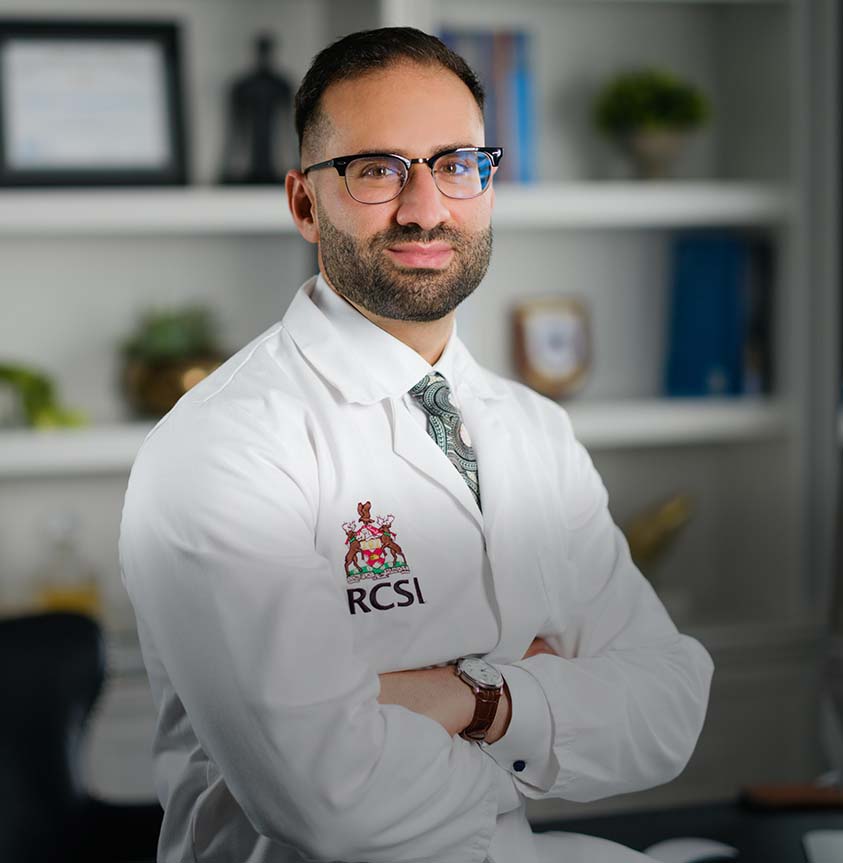
I recommend and prescribe orthodontic treatments to my patients as if they were my own family and I value meaningful relationships based on communication, confidence and trust.

“We highly recommend Dr Erfan Sallom, he transformed our daughter's teeth and she’s extremely happy with her beautiful smile! We were looking for a Orthodontist...”

“I was very anxious about orthodontic treatment and as such delayed it for years. I had no need to be nervous with the expertise and...”
“I would really recommend anyone to Dr Erfan Salloum, my experience with Erfan was amazing. I had no issue he was very knowledgeable about his...”
“I have just finished my two year orthodontic treatment with Dr Erfan and I would highly recommend. He explained everything perfectly about the treatment plan...”