BDS, MFD RCSI, MFFDS RCPSG, DClinDent (Orth), MOrth RCSEd, MOrth RCSEng, FFD (Orth) RCSI, FDS RCSEng, FDS RCPSG. Diplomate of the European Board of Orthodontics (EBO) and European Board of Aligner Orthodontists (EBAO), British Orthodontic Society Maurice Berman Prize Winner 2026
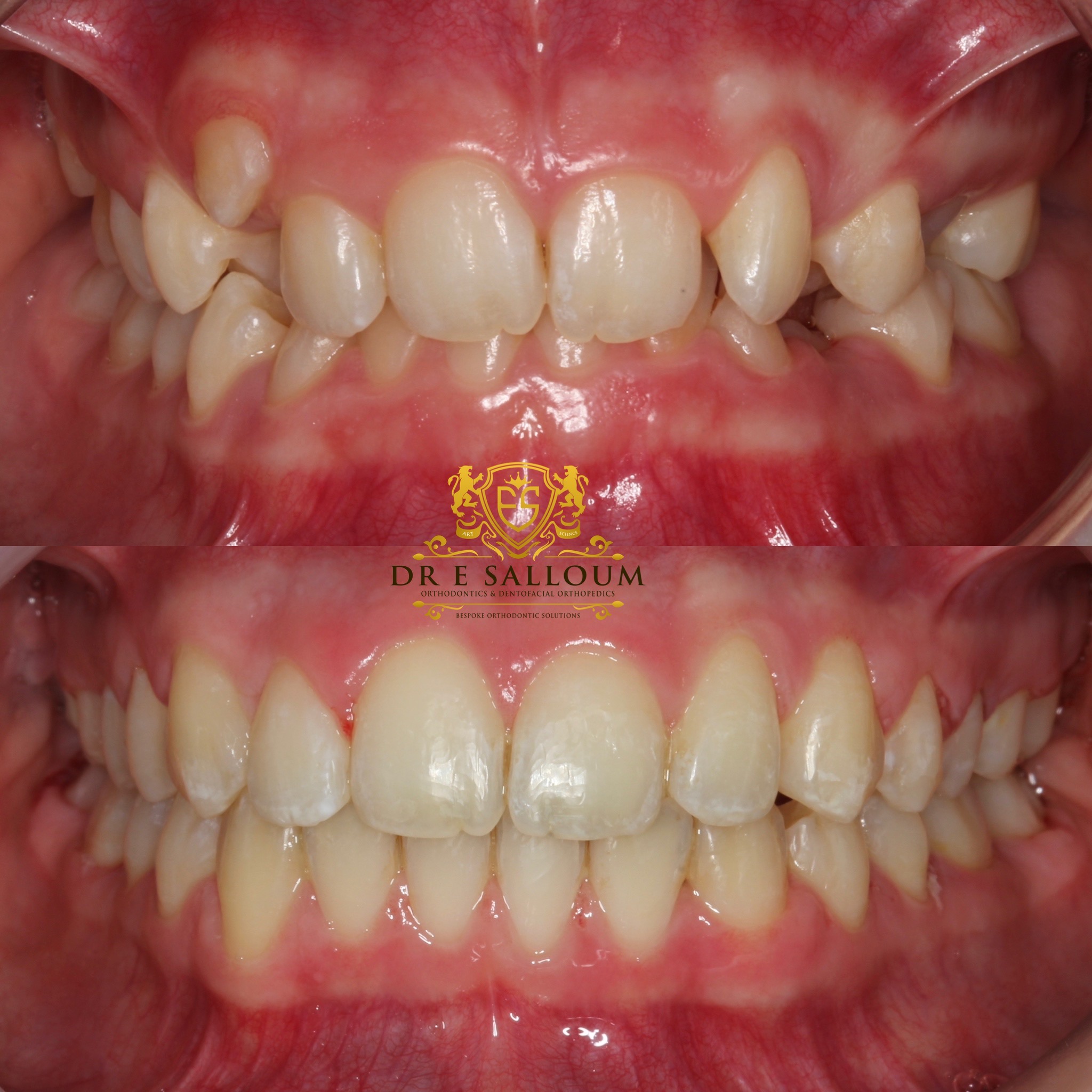
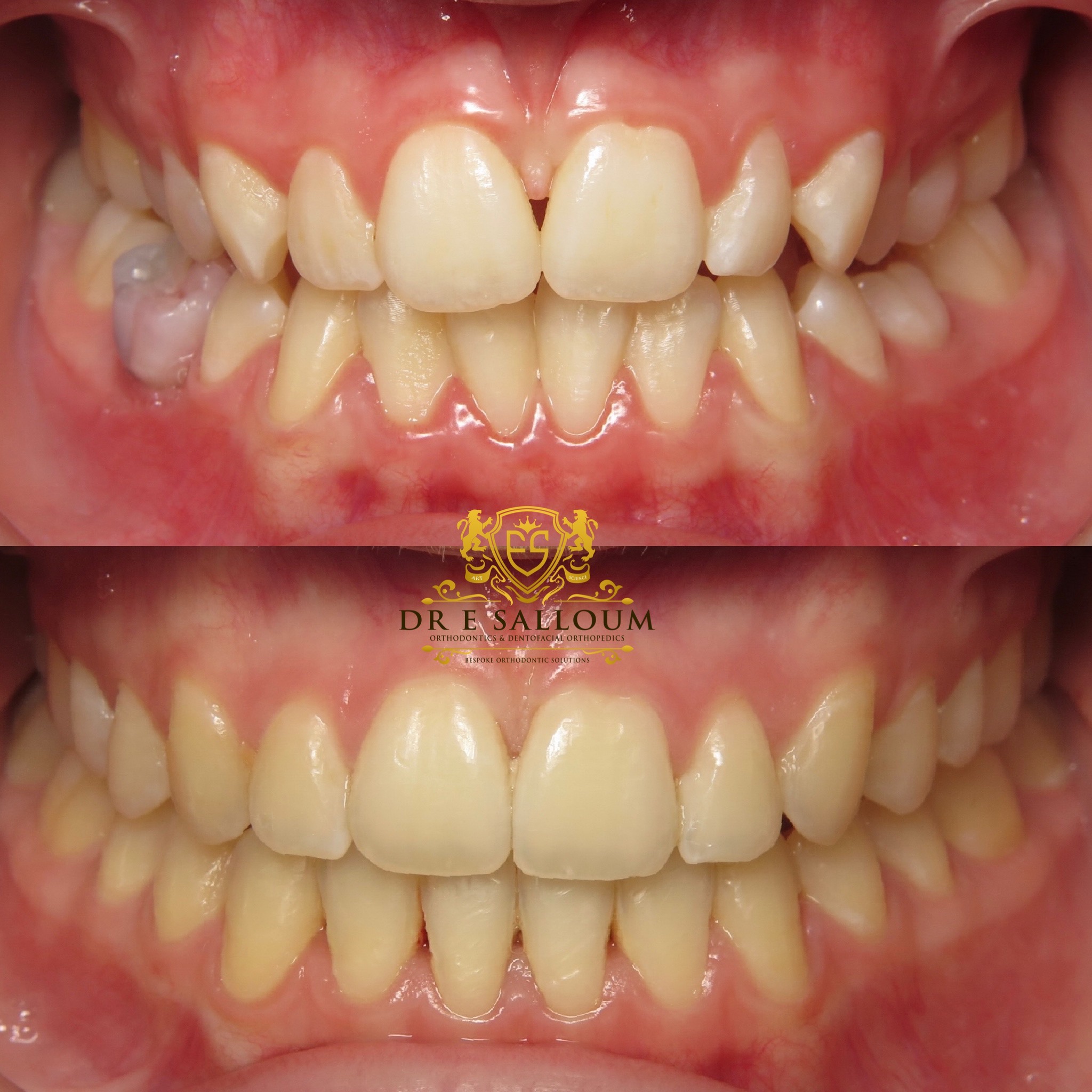
A child can finish orthodontic treatment with beautifully aligned teeth, yet the forces that contributed to the original problem may still be present.
The tongue, lips and cheeks apply gentle pressure to the teeth throughout the day and night. How a child breathes, where the tongue rests and how they swallow can therefore influence dental development and, in selected cases, the long-term stability of orthodontic treatment.
This does not mean that every child undergoing orthodontic treatment needs myofunctional therapy. Most do not. However, when an identifiable functional problem is present, such as persistent mouth breathing, low tongue posture, difficulty closing the lips or tongue-thrust swallowing, correcting the teeth alone may not address the whole problem.
This is where orofacial myofunctional therapy may have a useful role as part of a carefully coordinated treatment plan.
Orofacial myofunctional therapy is a structured exercise programme designed to improve the function and coordination of the tongue, lips, cheeks and other muscles around the mouth and throat.
Depending on the patient’s diagnosis, treatment may focus on:
Myofunctional therapy does not move teeth in the same way as braces, aligners or orthodontic appliances. It also cannot widen a narrow upper jaw or remove a physical obstruction from the nose or throat.
Instead, it aims to improve the muscular function surrounding the teeth and jaws. It is best viewed as an adjunct to appropriate orthodontic, dental, ENT (Ear, Nose, Throat) or speech and language care, rather than a replacement for these treatments.
Orthodontic treatment works by applying controlled forces to move teeth into healthier and more stable positions. However, the teeth are also exposed to natural forces from the tongue, lips and cheeks.
These forces are usually balanced. Problems may arise when the balance is disturbed, for example, when the tongue rests persistently between the teeth, pushes forward during swallowing or remains low in the mouth while the lips stay apart.
This does not mean that abnormal tongue posture or mouth breathing is the sole cause of crooked teeth or altered jaw growth. Dental development is influenced by several factors, including genetics, growth, tooth size, jaw size, habits and airway health.
Nevertheless, impaired nasal breathing and altered oral function may contribute to features such as:
The American Academy of Pediatric Dentistry similarly recognises that impaired nasal breathing may contribute to some facial and dental features, while emphasising that it is not necessarily the only, or the main, cause.
Relapse after orthodontic treatment is multifactorial. Growth, periodontal fibres, tooth position, incomplete retention and the original malocclusion can all influence stability.
For this reason, myofunctional therapy should not be presented as a guaranteed way to prevent teeth from moving. Retainers remain essential after orthodontic treatment, even when oral muscle function has improved.
However, if a patient has a persistent tongue thrust, an open bite associated with an abnormal swallowing pattern or poor tongue and lip function, addressing that pattern may help support the orthodontic correction.
The evidence suggests that myofunctional therapy can improve tongue behaviour and swallowing patterns in selected patients. Evidence that it reliably prevents orthodontic relapse in every patient is still limited, so treatment must be recommended selectively rather than routinely.
At my practice, myofunctional therapy does not stand alone and is not prescribed automatically.
I first assess the child’s:
Some children simply need orthodontic treatment. Others may require an ENT assessment before any breathing exercises are considered. A smaller group may benefit from a combination of orthodontic treatment and myofunctional therapy.
The correct sequence depends on what is causing the problem.
A narrow upper jaw can reduce the space available for the tongue. It may also be associated with dental crowding, crossbite and a narrower nasal floor.
When a true skeletal or dental transverse discrepancy is present, palatal expansion may be recommended to widen the upper jaw or dental arch. The appropriate appliance depends on the child’s age, skeletal maturity and the nature of the discrepancy.
Expansion creates space, but it does not automatically teach the tongue to rest correctly or change an established swallowing pattern. In selected patients, myofunctional therapy may therefore be introduced during or after expansion to help the child adapt to the new oral environment.
A simple way to understand the relationship is:
Orthodontic expansion addresses structure. Myofunctional therapy addresses function.
Not every child undergoing expansion requires myofunctional therapy. It is considered when the assessment identifies a genuine functional problem that is unlikely to resolve through orthodontic treatment alone.
A child who habitually breathes through the mouth should not simply be told to close their mouth or begin breathing exercises. We first need to understand why the mouth breathing is happening.
Possible causes include:
If a child cannot breathe comfortably through the nose, myofunctional therapy alone will not solve the problem. The physical obstruction must be investigated and, where appropriate, treated by an ENT specialist.
Once the nasal airway is sufficiently clear, therapy may help the child transition from a longstanding mouth-breathing pattern towards more consistent nasal breathing.
Parents should also seek medical assessment if a child snores regularly, appears to stop breathing during sleep, gasps at night, sleeps restlessly or experiences significant daytime tiredness or behavioural changes. Myofunctional therapy is not a substitute for a medical sleep assessment.
When the airway is clear, therapy may support nasal breathing by addressing several related functions.
Ideally, the tongue rests gently against the palate rather than lying low in the mouth or pressing against the front teeth. An appropriate tongue position can support comfortable lip closure and help separate the mouth from the nasal airway during breathing.
Some children struggle to keep their lips together without muscular strain. Exercises may improve lip awareness, coordination and endurance, helping the lips remain gently closed at rest.
Even after an airway obstruction has been treated, a child may continue breathing through the mouth because the pattern has become habitual. Structured exercises can help establish a new breathing routine when nasal breathing is physically possible.
Research suggests that myofunctional exercises may have a role as an adjunct in selected patients with sleep-disordered breathing. However, the evidence in children remains limited and treatment success depends heavily on appropriate diagnosis and regular participation.
It should not be marketed as a cure for obstructive sleep apnoea.
The programme I use typically runs for approximately 6-12 months, although the exact duration depends on the child’s needs, progress and ability to practise consistently.
Exercises are introduced gradually and may focus on:
The exercises themselves are generally straightforward. The challenge is consistency. Neuromuscular habits develop over many years, so changing them requires regular practice rather than occasional intensive sessions.
Parents play an important role, particularly with younger children. Myofunctional therapy is most effective when the exercises become part of a manageable daily routine.
To make the programme easier to follow, I use The Tongue Teacher, a digital platform that provides patients with guided exercises and structured instructions on their phone or device.
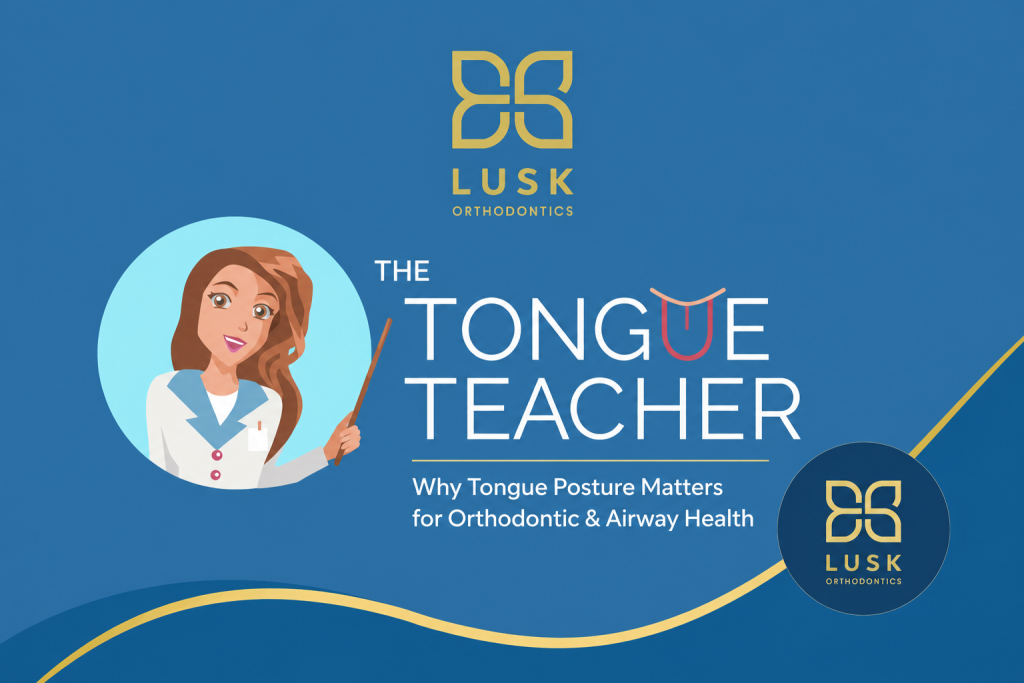
This allows children and parents to review exercises between appointments instead of relying only on memory or printed instructions. It also makes remote support possible for suitable patients outside North Dublin.
Patients from Dublin and elsewhere in Ireland may therefore be able to complete much of the programme at home, with progress reviews arranged when required.
The app supports the programme, but it does not replace diagnosis or professional supervision. Exercises should be prescribed according to the individual patient’s needs.
A myofunctional assessment may be appropriate for a child with one or more of the following:
Grinding or clenching alone does not necessarily indicate a myofunctional disorder, as these behaviours can have several different causes.
Myofunctional therapy can improve an abnormal muscular pattern, but it does not reliably straighten crooked teeth or correct a significant skeletal discrepancy by itself.
In some growing children, early identification and management of contributing habits may support healthier dental development or make later orthodontic treatment more straightforward. It cannot, however, guarantee that braces, aligners or other orthodontic treatment will not be needed.
Parents should be cautious of claims that exercises alone can dramatically widen the jaws, permanently reshape the face or cure every breathing and orthodontic problem. Children deserve a proper diagnosis before treatment is recommended.
I generally recommend an initial orthodontic assessment at approximately 6 to eight years of age. An earlier assessment (not earlier than 5) may be appropriate if a child has:
An early assessment does not mean that treatment must begin immediately. In many cases, the best option is simply to monitor growth and dental development until the timing is right.
Myofunctional therapy is neither a miracle treatment nor something that should be dismissed completely.
The scientific evidence is encouraging for improving certain oral functions, particularly tongue behaviour and swallowing patterns. There is also emerging evidence for its use as an adjunct in selected patients with sleep-disordered breathing. However, the quality of the evidence varies, and important questions remain about which patients benefit most and how well improvements are maintained long term.
My approach is therefore selective and diagnosis-led.
When a child has normal oral function, myofunctional therapy adds little. When a clearly identified dysfunction is contributing to the orthodontic problem, ignoring it may mean treating only part of the picture.
The objective is not to treat every child with exercises. It is to recognise the patients for whom orthodontic treatment, airway assessment and muscle rehabilitation need to work together.
Myofunctional assessment and therapy are available as part of the comprehensive early orthodontic treatment programmes I offer at Lusk Orthodontics in North Dublin.
Where appropriate, care may involve collaboration with an ENT specialist, general dentist, speech and language therapist or other healthcare professional. Remote support through The Tongue Teacher may also be available for suitable patients elsewhere in Ireland.
If you are concerned about your child’s mouth breathing, tongue posture, swallowing pattern, narrow palate or dental development, you can arrange an assessment to determine:
An assessment does not commit your child to treatment. Its purpose is to establish an accurate diagnosis and help you understand the available options.
No. It is mainly considered when a child has an identifiable problem involving breathing, tongue posture, swallowing or lip function.
No. Exercises can improve muscle function but cannot predictably move teeth in the way that braces, aligners or orthodontic appliances can.
It may support stability when an abnormal tongue or swallowing pattern is contributing to the problem. It cannot guarantee that teeth will not move, and retainers remain essential.
Only when nasal breathing is physically possible. Enlarged tonsils or adenoids, allergies, nasal congestion and structural obstruction may require medical or ENT management first.
No. Palatal expansion is recommended only when an orthodontic assessment confirms a meaningful transverse discrepancy and treatment is clinically appropriate.
It may be useful as an adjunct for selected patients, but it is not a replacement for medical assessment or established treatment. A child with habitual snoring, pauses in breathing or disturbed sleep should be appropriately assessed.
My programme typically lasts approximately 12 months, although duration varies. Regular home practice is essential.
Suitable patients may be able to follow the digital programme through The Tongue Teacher and attend remote reviews, although an appropriate clinical assessment is required first.
Back to Blog
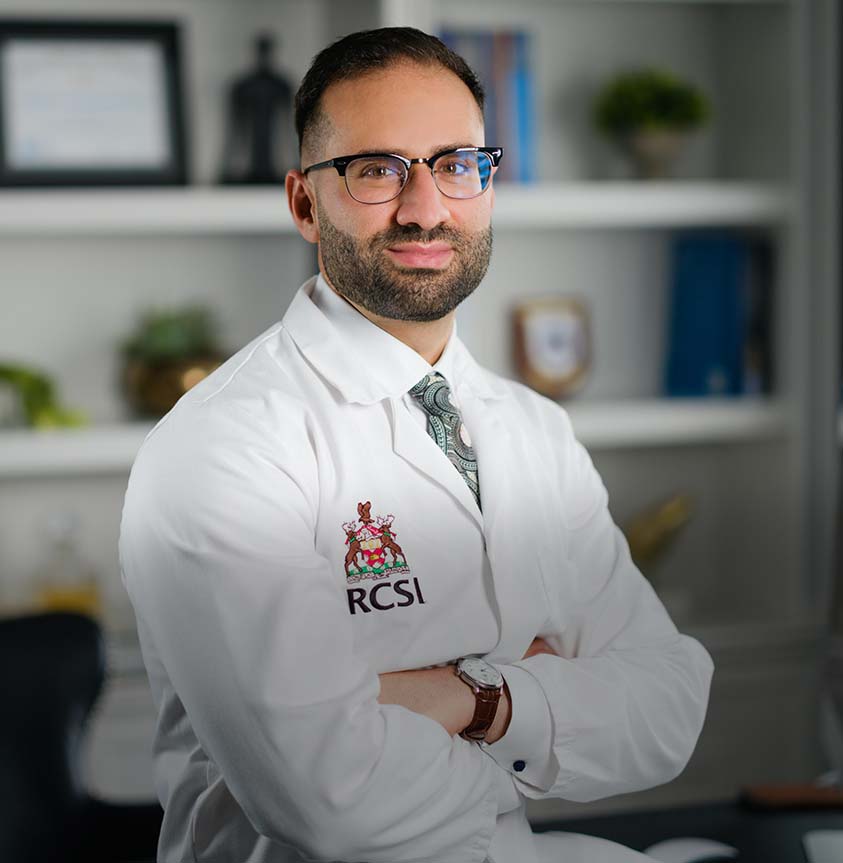
I recommend and prescribe orthodontic treatments to my patients as if they were my own family and I value meaningful relationships based on communication, confidence and trust.

“We highly recommend Dr Erfan Sallom, he transformed our daughter's teeth and she’s extremely happy with her beautiful smile! We were looking for a Orthodontist...”

“I was very anxious about orthodontic treatment and as such delayed it for years. I had no need to be nervous with the expertise and...”
“I would really recommend anyone to Dr Erfan Salloum, my experience with Erfan was amazing. I had no issue he was very knowledgeable about his...”
“I have just finished my two year orthodontic treatment with Dr Erfan and I would highly recommend. He explained everything perfectly about the treatment plan...”