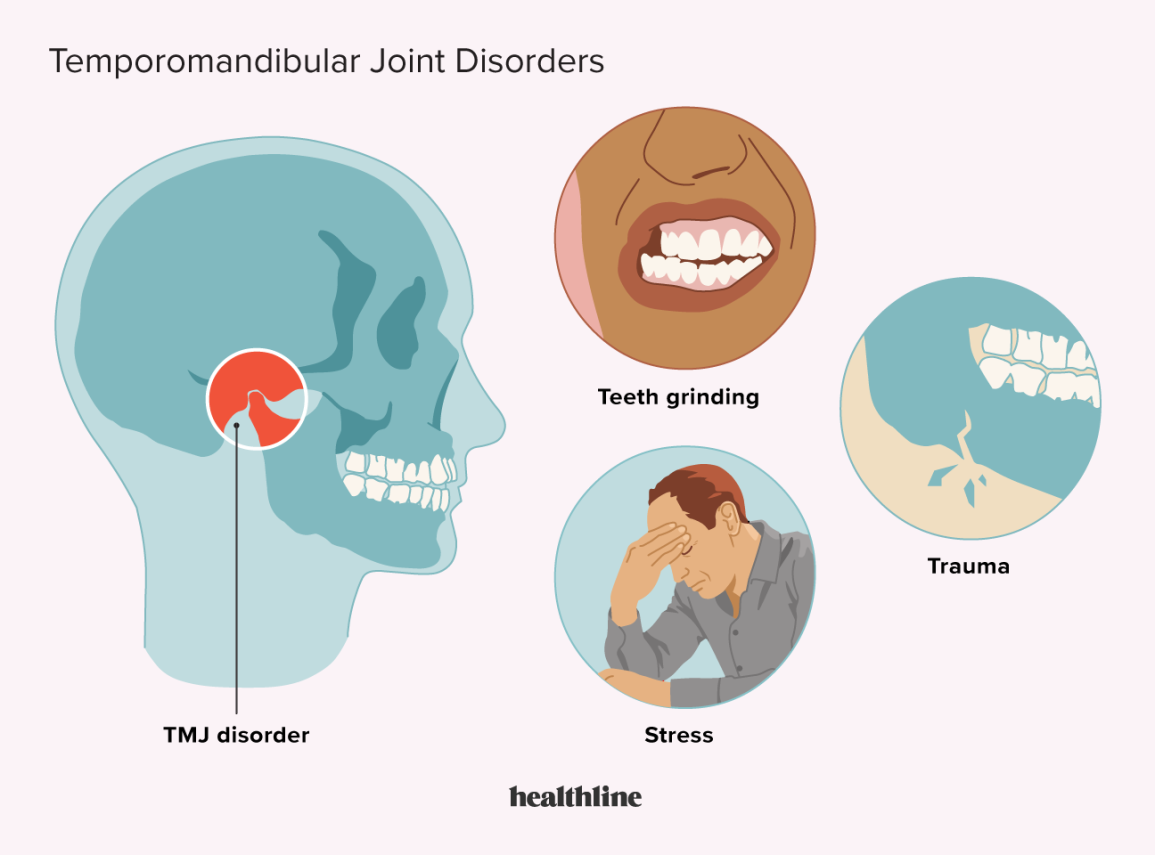
Temporomandibular Disorders (TMD) refer to a group of conditions that affect the jaw joints (TMJs), the muscles that control jaw movement and the surrounding tissues. People with TMD may experience jaw pain, clicking or popping, headaches, difficulty opening the mouth, or facial muscle fatigue.
TMD is multifactorial, meaning there is rarely one single cause. Instead, several contributing factors usually combine to create symptoms. Because of this, diagnosis and treatment require a broad view—not just looking at the teeth or the bite, but at the whole person.
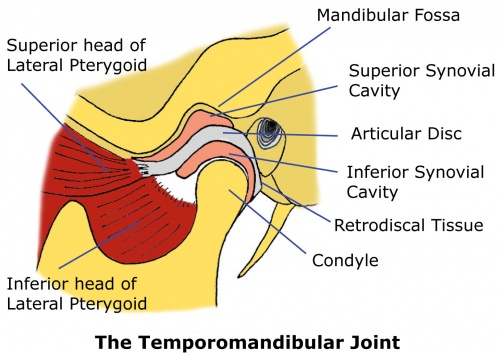
TMD is usually grouped into three broad categories:
These involve the muscles used for chewing and can be linked to clenching, grinding, stress or overuse.
These affect the jaw joint itself, such as disc displacement, inflammation, or arthritis.
A mixture of muscle and joint issues, which is very common.
Understanding which category you fall into helps guide treatment, but it does not point to a single cause or a single solution.

The connection between TMD and the bite (also known as occlusion) is one of the most divisive topics in dentistry and orthodontics.
Historically, some clinicians believed that an “incorrect” bite or a “trapped” lower jaw could directly cause TMD. This idea became popular after Dr Costen described Costen’s Syndrome, suggesting that deep overbites, missing teeth or jaw position could trigger jaw joint problems. This viewpoint led to what became known as the anatomical or gnathological school of thought, which claimed that:
However, modern research does not support these beliefs.
Large studies have repeatedly found:
The human TMJ is far more adaptable than once thought.
Modern evidence consistently demonstrates that:
It is not irrelevant, but it is not the primary cause or solution.
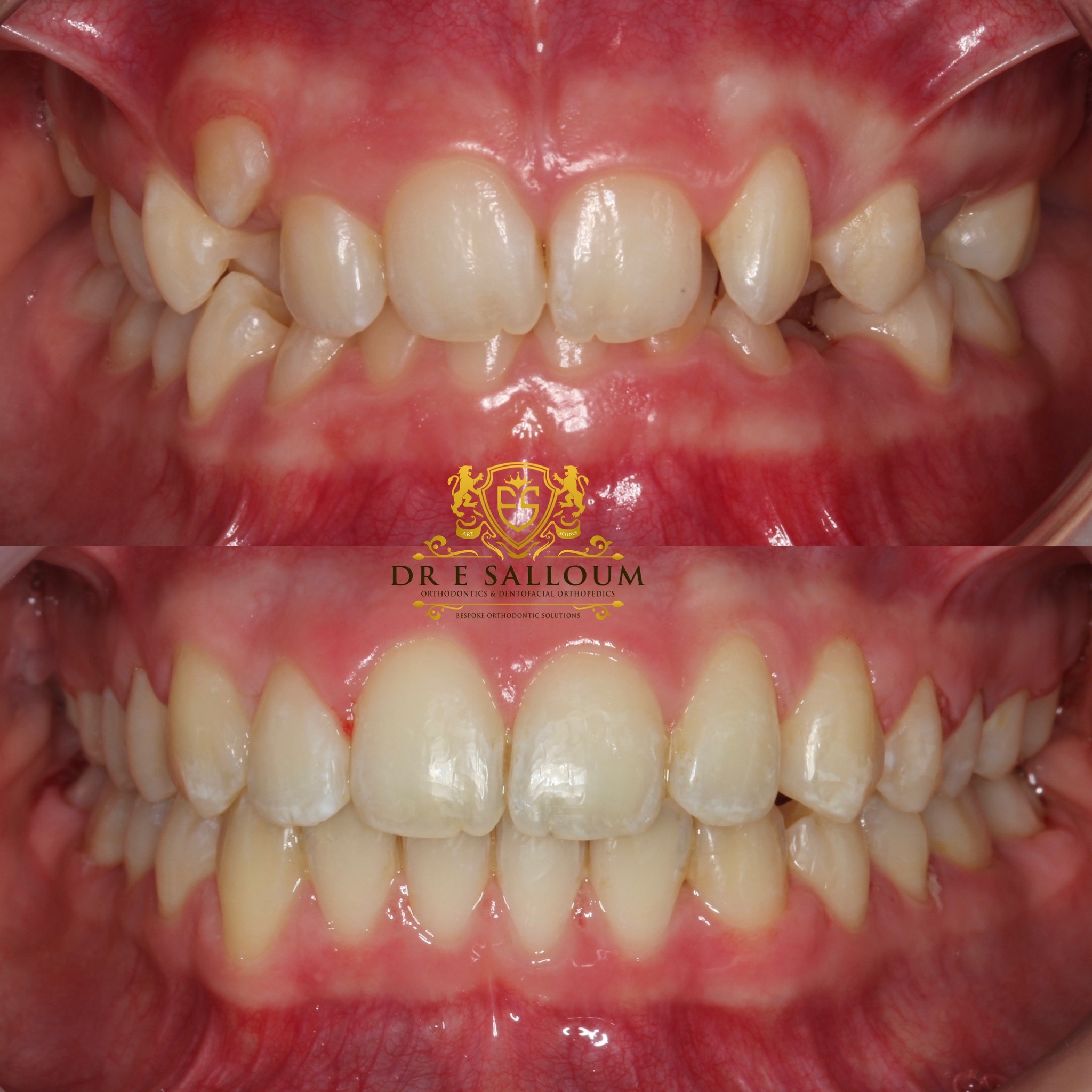
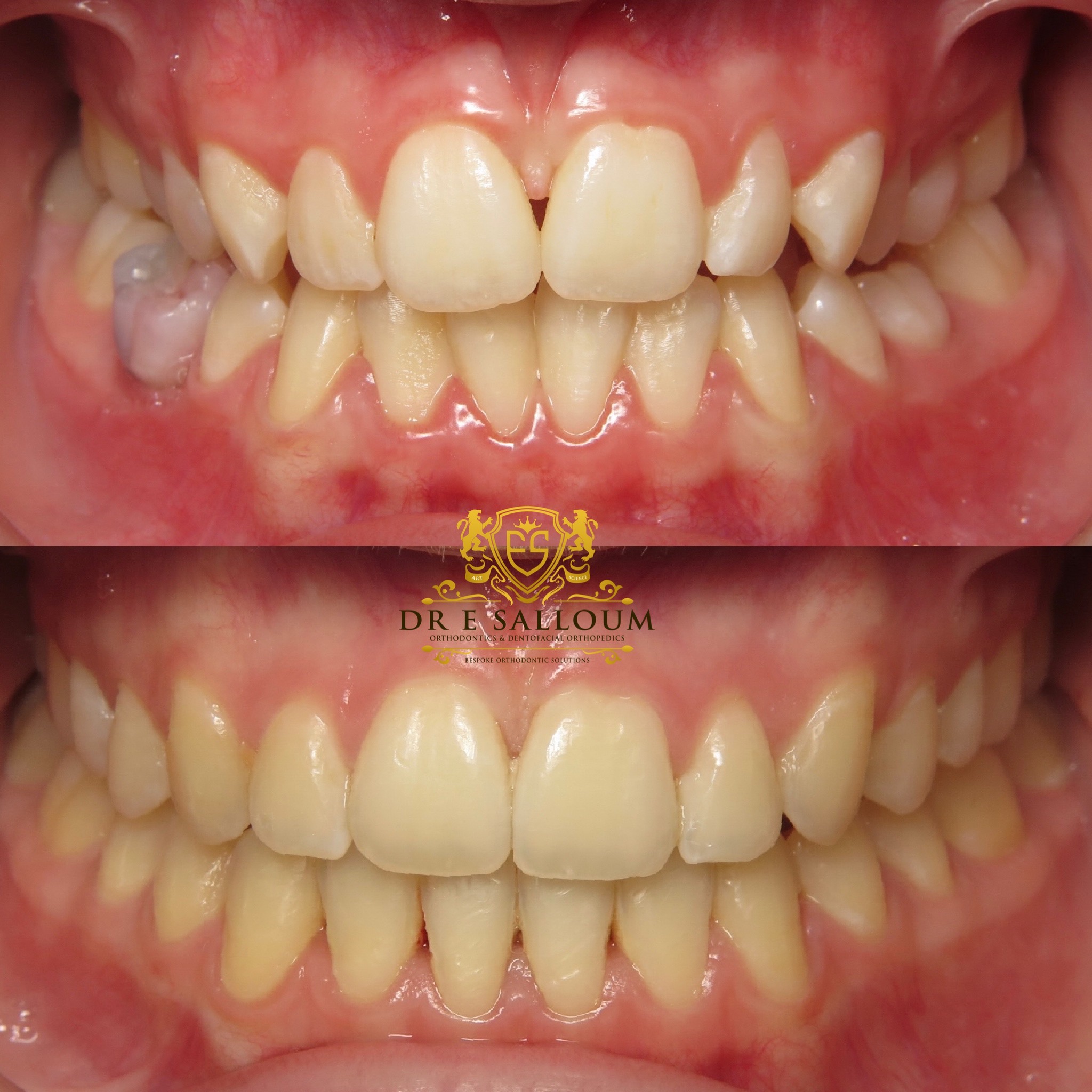
Orthodontics can help with function and stability, but it is not a guaranteed treatment for jaw pain.
Between individuals, between left and right sides, and even throughout the day depending on muscle activity.
Because such a position does not exist.
This modern shift has moved TMD understanding away from a purely mechanical theory and toward a more accurate, holistic model.
The current medical understanding of TMD is based on the biopsychosocial model, which recognises that symptoms arise from a combination of:
Because so many factors contribute, two people with the same bite may have completely different experiences with TMD.
Orthodontics plays an important role in improving:
However, orthodontics is not a primary treatment for TMD.
That does not mean the bite is unimportant. A well-balanced bite supports good function and oral health—but it is rarely the main cause of TMD and rarely the whole solution.
Most patients benefit from a combination of:
Orthodontics may contribute, but only as one part of a broader treatment strategy.

I recommend and prescribe orthodontic treatments to my patients as if they were my own family and I value meaningful relationships based on communication, confidence and trust.
“We highly recommend Dr Erfan Sallom, he transformed our daughter's teeth and she’s extremely happy with her beautiful smile! We were looking for a Orthodontist...”

“I was very anxious about orthodontic treatment and as such delayed it for years. I had no need to be nervous with the expertise and...”
“I would really recommend anyone to Dr Erfan Salloum, my experience with Erfan was amazing. I had no issue he was very knowledgeable about his...”
“I have just finished my two year orthodontic treatment with Dr Erfan and I would highly recommend. He explained everything perfectly about the treatment plan...”