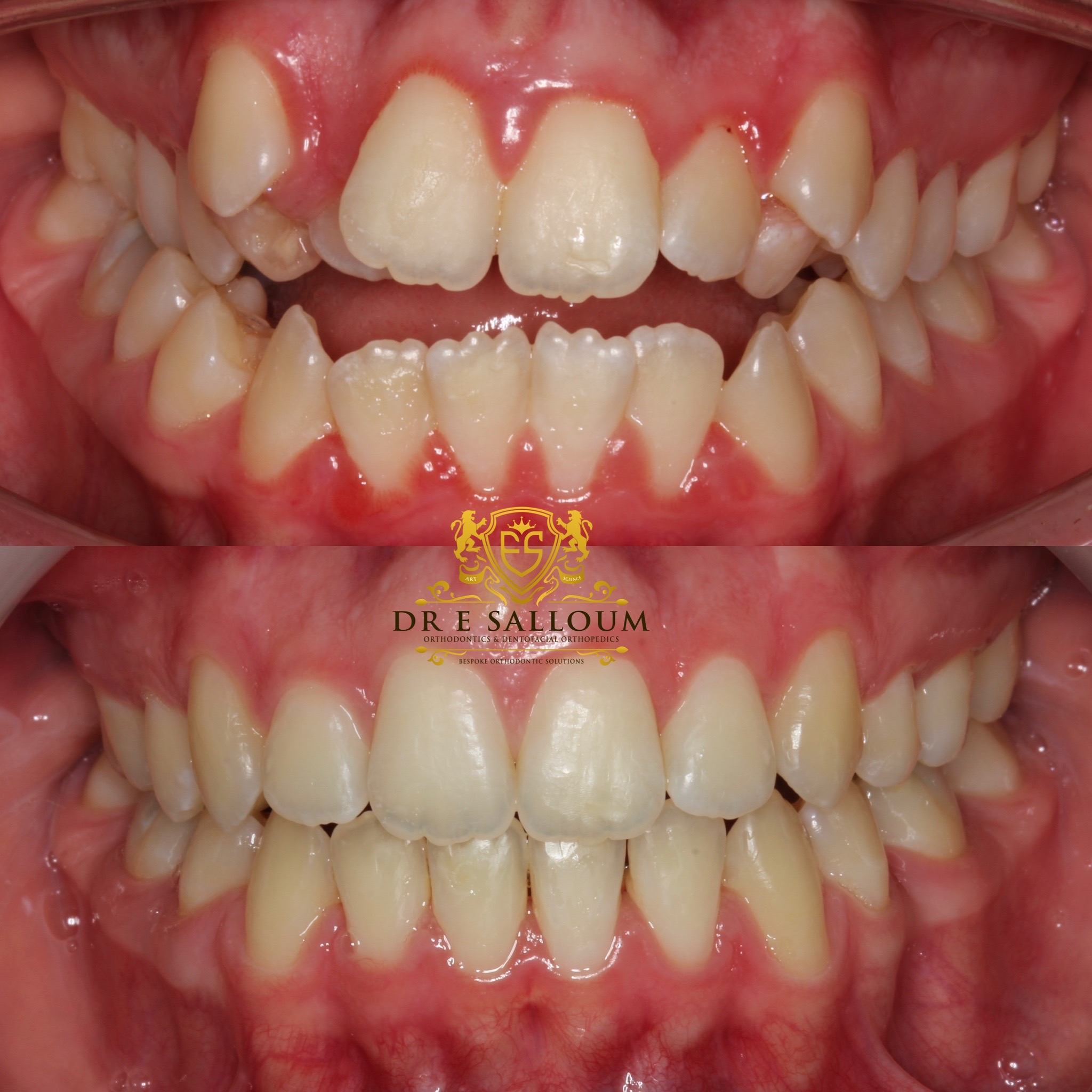
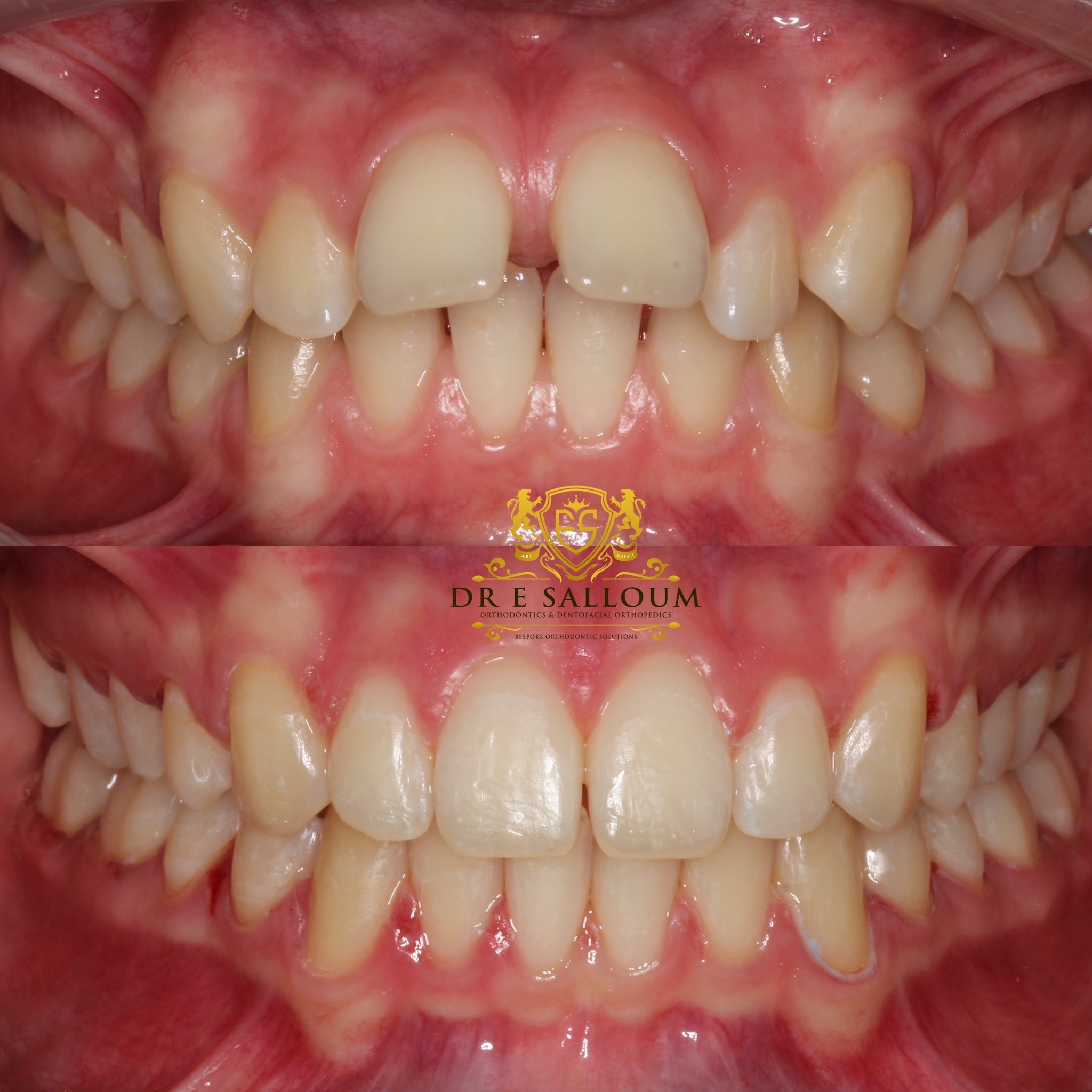
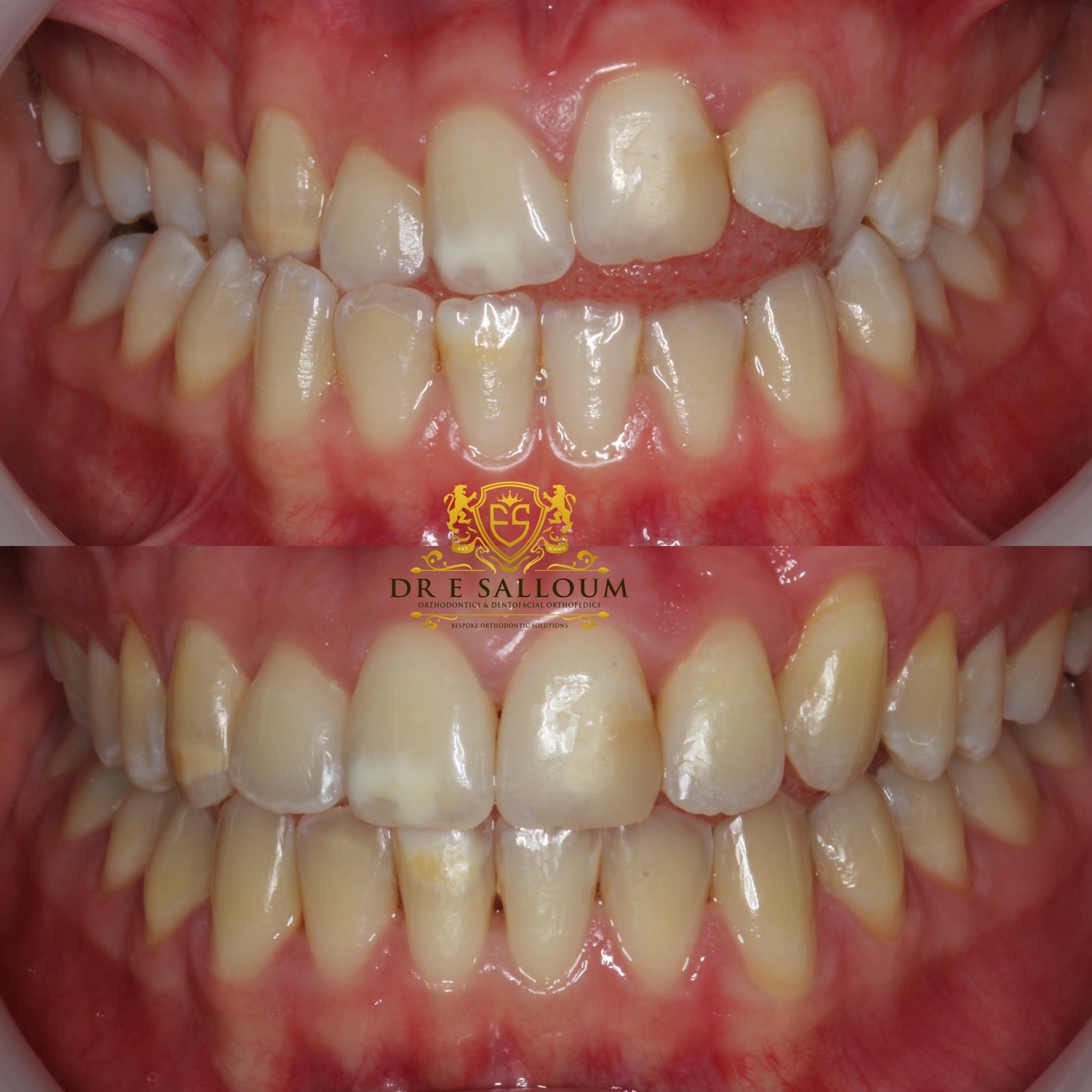
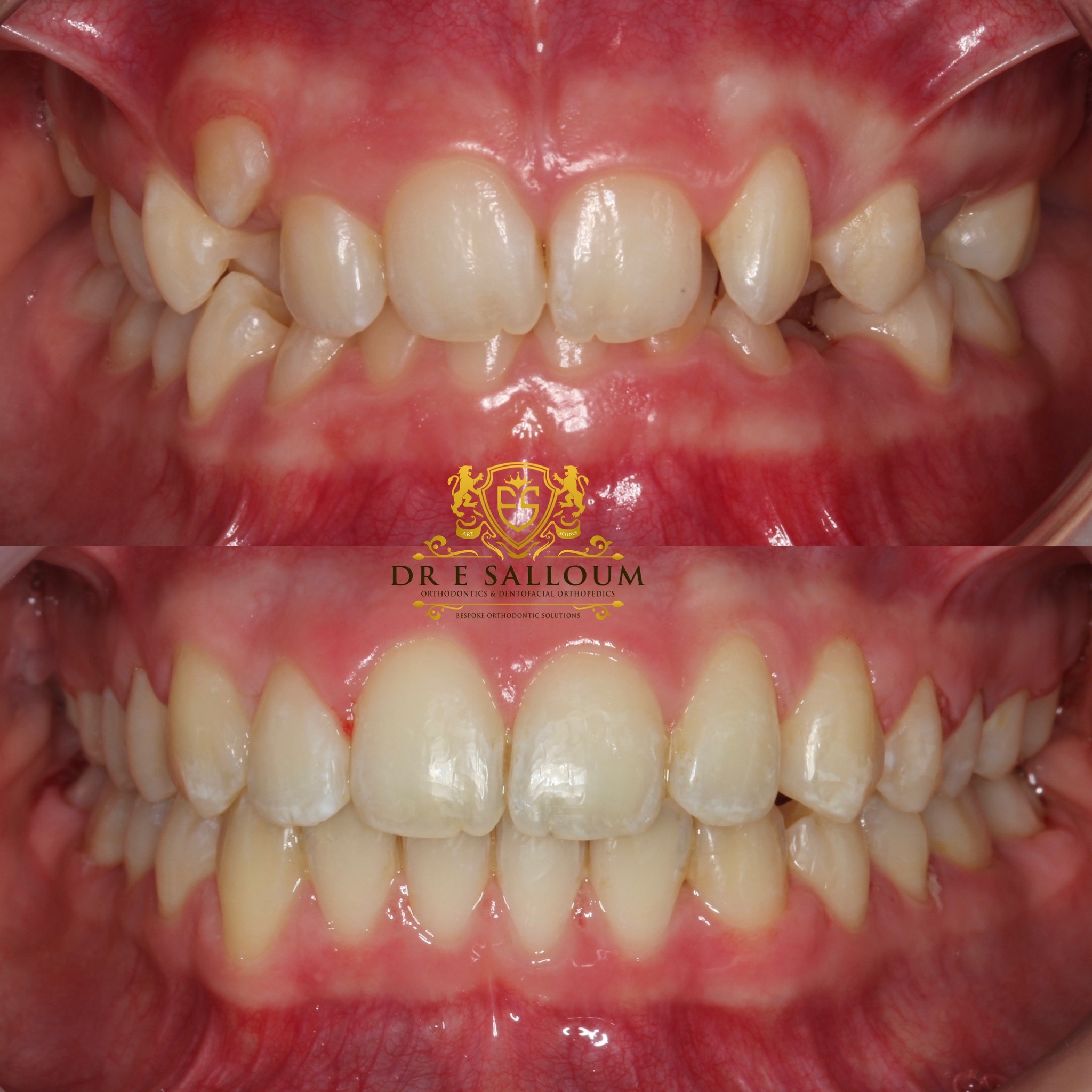
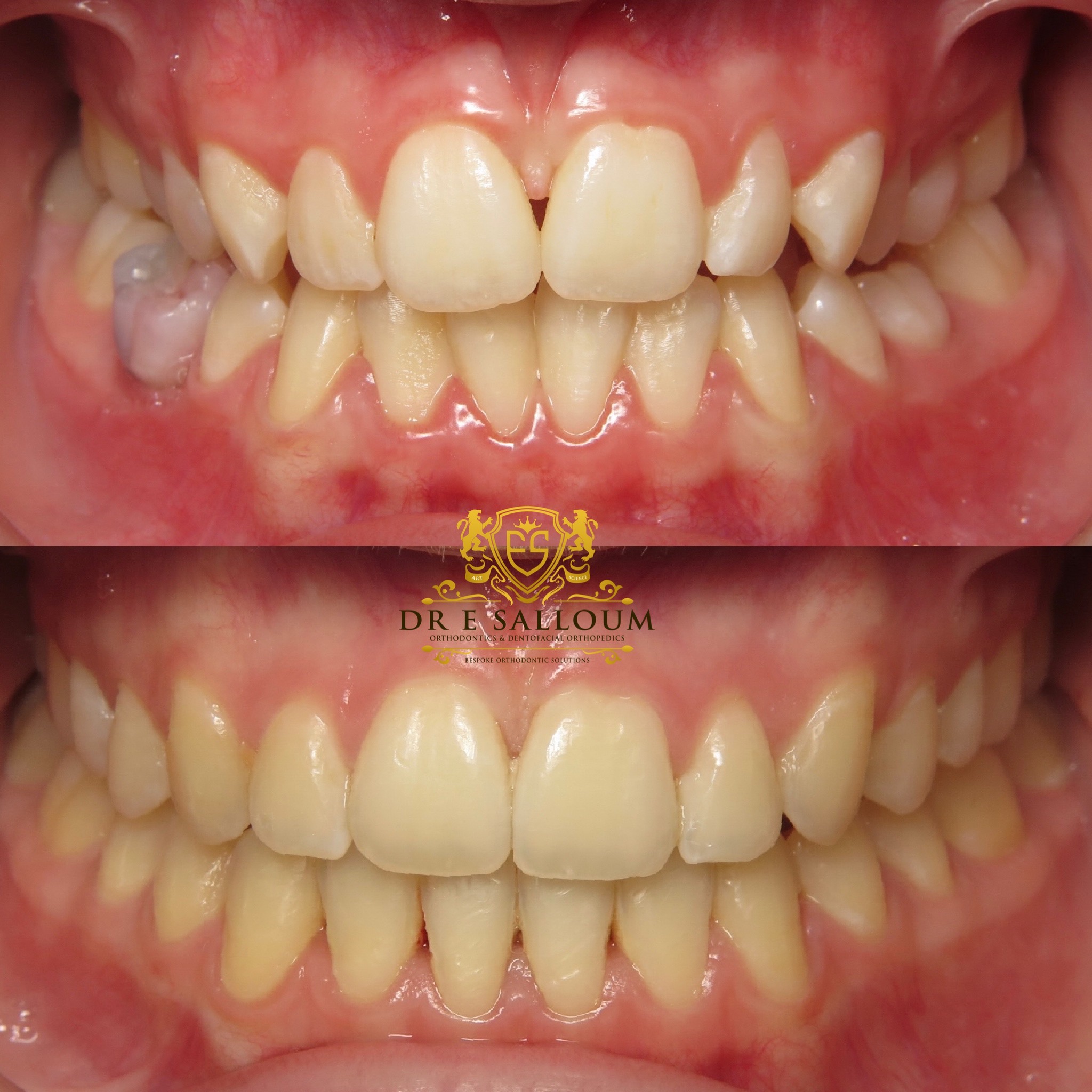
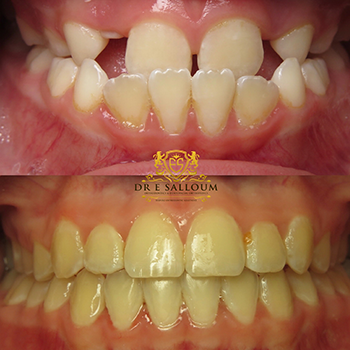
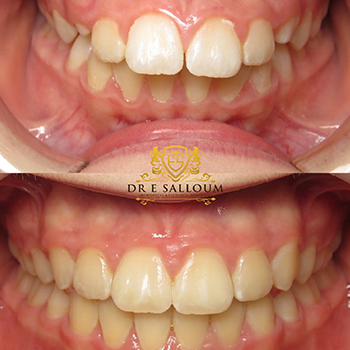
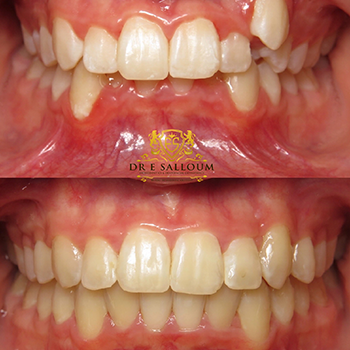
Dentofacial orthopaedics is a specialised area of orthodontics that focuses on jaw growth modification during childhood and adolescence. By carefully guiding jaw development while children are still growing, treatment can improve the relationship between the upper and lower jaws, create a healthier bite and, in selected cases, reduce the complexity of orthodontic treatment later in life.
If your child has been told they have an overbite, underbite, protruding teeth or a developing jaw discrepancy, you may have been referred for an assessment of their facial growth.
Unlike conventional braces, which mainly straighten teeth, dentofacial orthopaedics aims to guide the growth of the jaws while a child is still developing. When treatment is carefully timed, it may improve the relationship between the upper and lower jaws, create a healthier bite, improve facial balance and, in some children, reduce the complexity of future orthodontic treatment.
As a Specialist Orthodontist, I provides evidence-based dentofacial orthopaedic treatment, combining modern scientific evidence with careful assessment of each child’s individual growth pattern. Every child develops differently, and one of the most important decisions is not simply which appliance to use, but whether treatment should begin now or whether waiting will produce a better result.
Orthodontics and dentofacial orthopaedics are related but different.
Traditional orthodontics uses braces or clear aligners to move teeth into better positions.
Dentofacial orthopaedics focuses on guiding jaw development during growth. Rather than simply moving teeth, treatment attempts to influence how the upper and lower jaws develop while the facial skeleton is still growing.
Because facial growth eventually stops, this type of treatment is generally limited to children and adolescents.
Think of it like guiding the growth of a young tree. It is much easier to influence its direction while it is growing than after it has fully matured.
This is one of the most debated topics in modern orthodontics.
Some clinicians believe that jaw growth is determined almost entirely by genetics and that orthodontic appliances mainly move teeth rather than producing meaningful skeletal changes.
Others believe that jaw development is strongly influenced by environmental factors such as muscle function, tongue posture, breathing patterns and oral habits, and that appropriately designed appliances can significantly redirect facial growth.
The current scientific evidence suggests that both viewpoints contain elements of truth.
Genetics provides the blueprint for facial growth, but the growing skeleton also responds to mechanical forces throughout childhood. This principle, known as bone remodelling, forms the biological basis of dentofacial orthopaedic treatment.
The important question is not whether every child can have their jaw growth changed.
The important question is:
Can this particular child benefit from growth modification at this specific stage of development?
The answer depends on many factors including:
This is why careful diagnosis is far more important than simply prescribing a functional appliance.
My philosophy has always been to provide realistic expectations. Growth modification is not magic, nor is it ineffective. When used in carefully selected patients at the correct stage of growth, it can produce meaningful skeletal improvements. However, not every child is a suitable candidate, and some patients will still require comprehensive orthodontic treatment or, occasionally, jaw surgery once growth is complete.
Timing is often more important than the appliance itself.
Starting too early may prolong treatment unnecessarily.
Starting too late may miss the opportunity to influence skeletal growth.
For most children, the ideal window for dentofacial orthopaedic treatment falls between 8 and 12 years of age, although every child develops differently.
Children with a lower jaw that sits behind the upper jaw usually benefit from treatment around the pubertal growth spurt.
This commonly occurs:
During this period the natural growth of the lower jaw can often be utilised more effectively.
Children with an underbite often benefit from treatment at a younger age.
Many Class III cases are treated between 7 and 10 years, while the sutures around the upper jaw remain responsive to orthopaedic forces.
Early treatment may encourage forward development of the upper jaw and reduce the severity of the discrepancy later in life.
Functional appliances are designed to improve the relationship between the upper and lower jaws by positioning the lower jaw forwards during growth.
They are among the most researched appliances in orthodontics.
Depending on the individual case, treatment may involve appliances such as:
Each appliance works differently, and no single appliance is universally superior. Success depends far more on selecting the right appliance for the right patient than on the appliance itself.
Children with an underdeveloped upper jaw often benefit from early orthopaedic treatment.
This frequently combines:
Palatal expansion widens the upper jaw while simultaneously making the surrounding facial sutures more responsive.
A face mask then applies gentle forward traction to encourage the upper jaw to develop in a more favourable position.
This approach is most effective before the facial sutures mature, which is why early assessment is so important.
Not every child with an underbite requires this treatment, but for carefully selected patients it can significantly improve facial development and may reduce the need for surgery later in life.
These terms are often confused.
They are not the same treatment.
Functional appliances are orthodontic devices designed to influence jaw growth and tooth position.
Myofunctional therapy is a programme of exercises designed to improve tongue posture, swallowing patterns, lip seal and breathing habits.
While myofunctional therapy can be an excellent adjunct in selected patients, there is currently no evidence demonstrating that myofunctional therapy alone can expand the jaws or correct significant skeletal discrepancies.
When indicated, I frequently combine orthodontic treatment with myofunctional therapy because addressing muscle function may improve long-term stability.
Usually, yes.
Dentofacial orthopaedics represents Phase One of treatment.
Its aim is to improve the jaw relationship.
Once growth modification is complete, a second phase of treatment using fixed braces or clear aligners is often required to:
Because the jaws are already in a better relationship, this second phase is often simpler and more predictable.
Every child deserves an individual assessment.
I do not believe every child benefits from early treatment.
Equally, I do not believe every child should simply wait until all their permanent teeth have erupted.
The decision depends on careful clinical examination, digital scans, photographs, growth assessment and, where appropriate, low-dose CBCT imaging.
My goal is always to recommend treatment only when there is a realistic expectation that it will improve long-term outcomes.
This evidence-based philosophy reflects my approach to all aspects of orthodontics: combining the best available scientific evidence with clinical experience and each patient’s individual circumstances.
Most children are assessed between 7 and 9 years of age, although treatment often begins between 8 and 12 years depending on the type of jaw discrepancy and the child’s stage of growth.
Research suggests that Twin Block appliances can encourage favourable skeletal and dental changes in carefully selected growing patients. The degree of skeletal change varies between individuals.
No. Once facial growth has finished, functional appliances can no longer influence jaw growth. Adults usually require orthodontic camouflage or orthognathic surgery if significant skeletal discrepancies are present.
No. Many mild overbites simply require monitoring. Treatment is only recommended when it is likely to provide meaningful long-term benefits.
Sometimes. Early orthopaedic treatment can reduce the severity of certain jaw discrepancies. However, severe skeletal problems may still require jaw surgery once growth is complete.
No. Myofunctional therapy improves muscle function, while functional orthodontics uses appliances to guide jaw development. They are complementary treatments rather than alternatives.
If you are concerned about your child’s jaw development, bite or facial growth, an early orthodontic assessment can help determine whether treatment is indicated now or whether monitoring is the better option.
Following a comprehensive assessment, I will explain the diagnosis, discuss the available evidence, outline the benefits and limitations of treatment, and provide personalised recommendations based on your child’s stage of growth.
My aim is always to deliver honest, evidence-based advice so that families can make informed decisions with confidence.
Click here if you have any questions and click here to book an appointment.

“We highly recommend Dr Erfan Sallom, he transformed our daughter's teeth and she’s extremely happy with her beautiful smile! We were looking for a Orthodontist...”

“I was very anxious about orthodontic treatment and as such delayed it for years. I had no need to be nervous with the expertise and...”
“I would really recommend anyone to Dr Erfan Salloum, my experience with Erfan was amazing. I had no issue he was very knowledgeable about his...”
“I have just finished my two year orthodontic treatment with Dr Erfan and I would highly recommend. He explained everything perfectly about the treatment plan...”