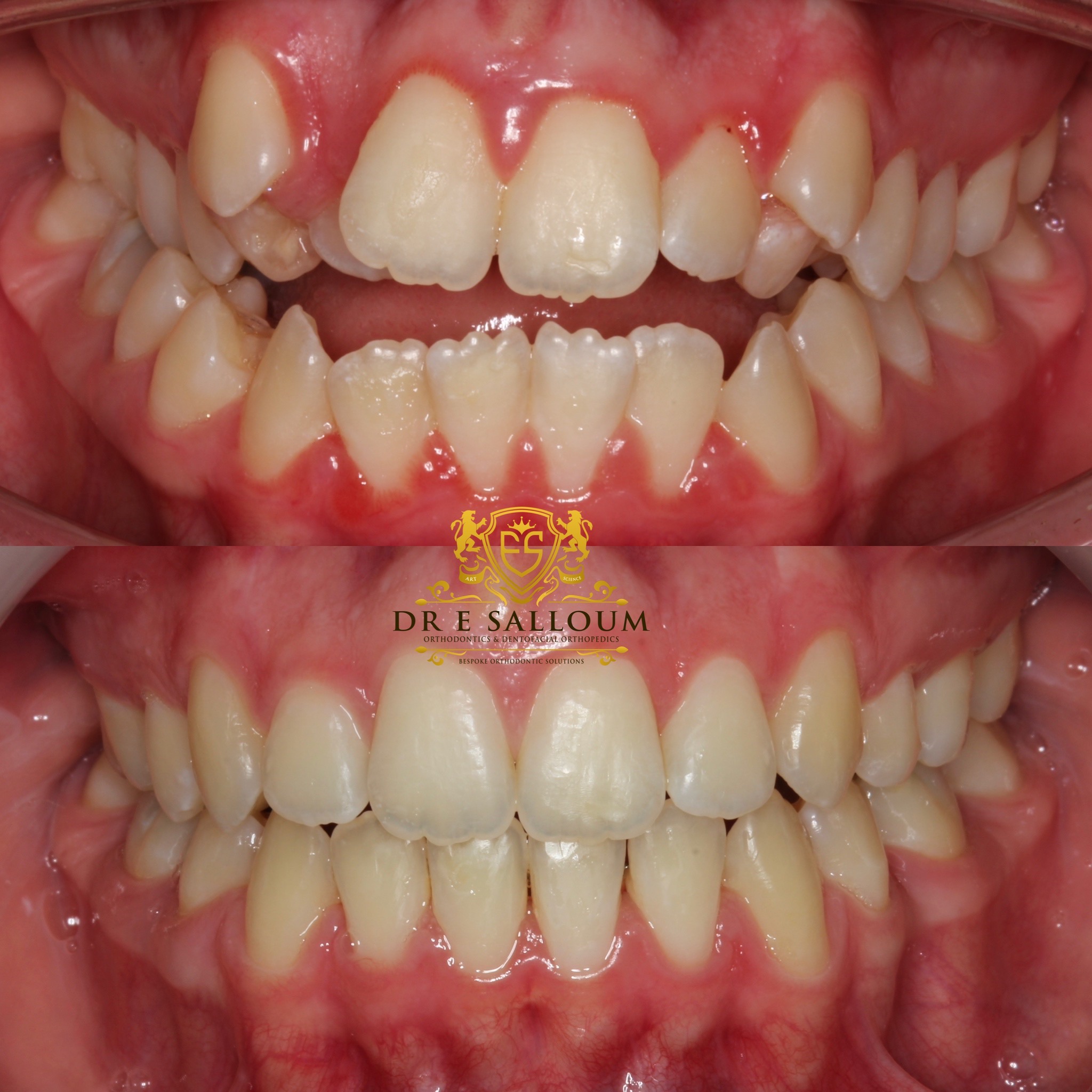
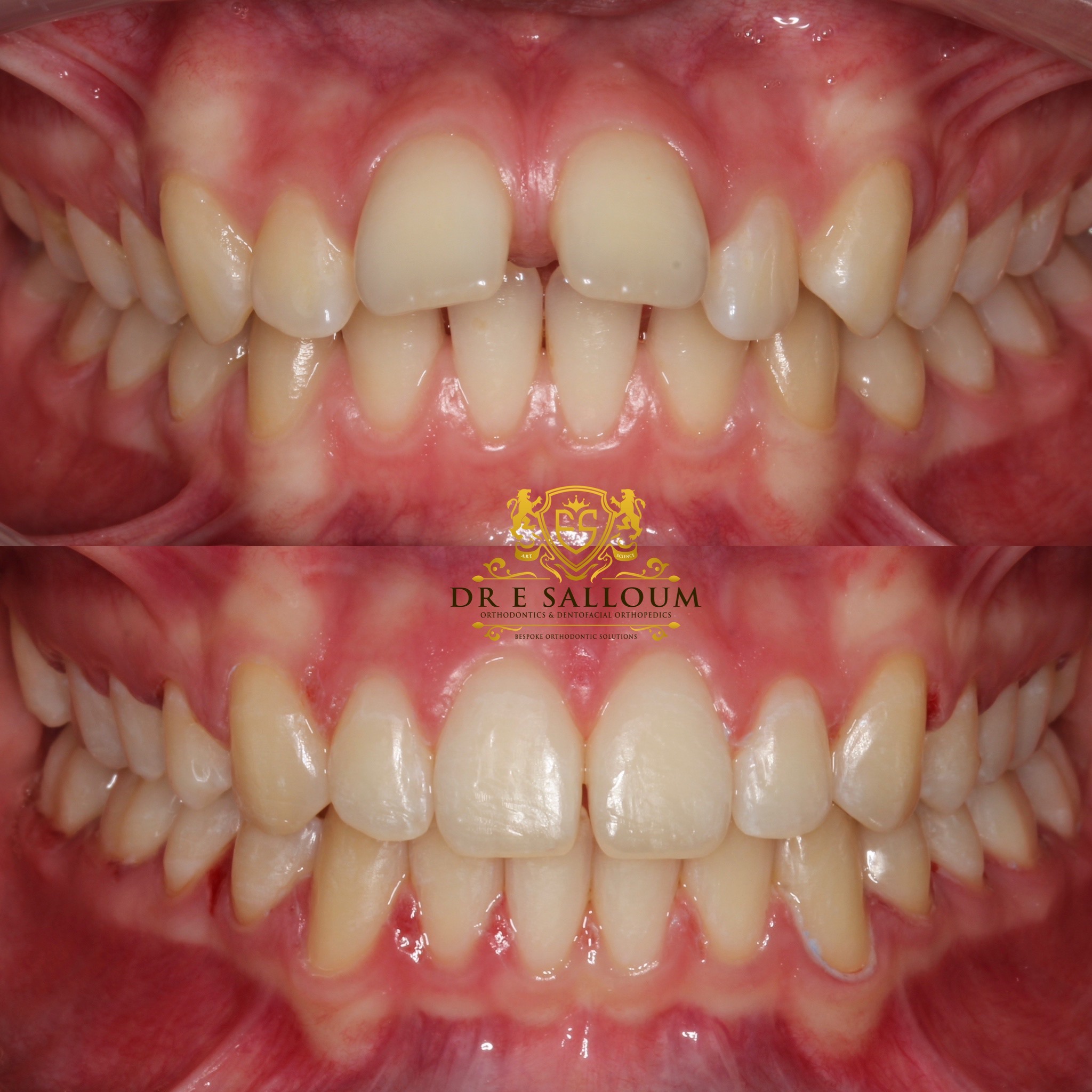
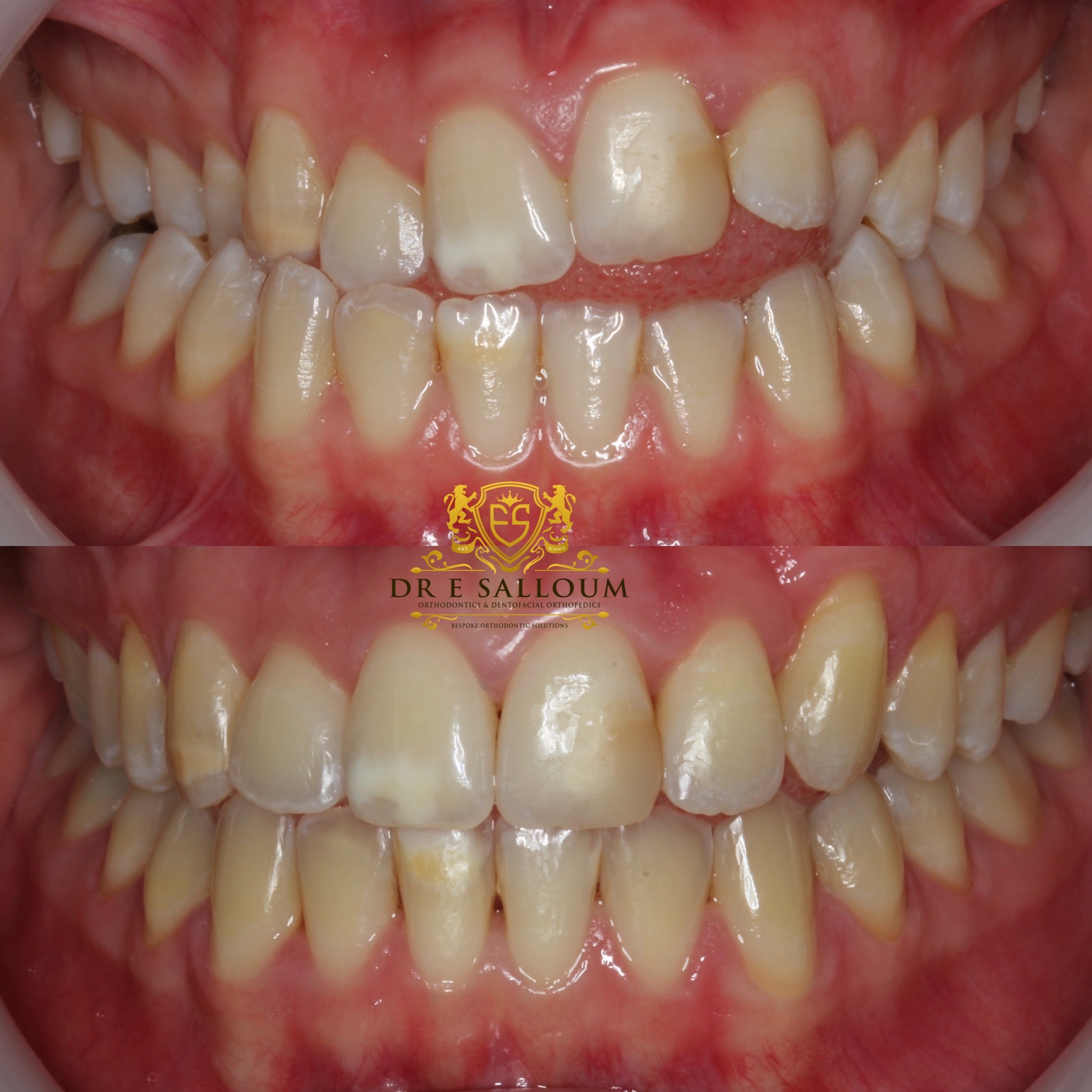
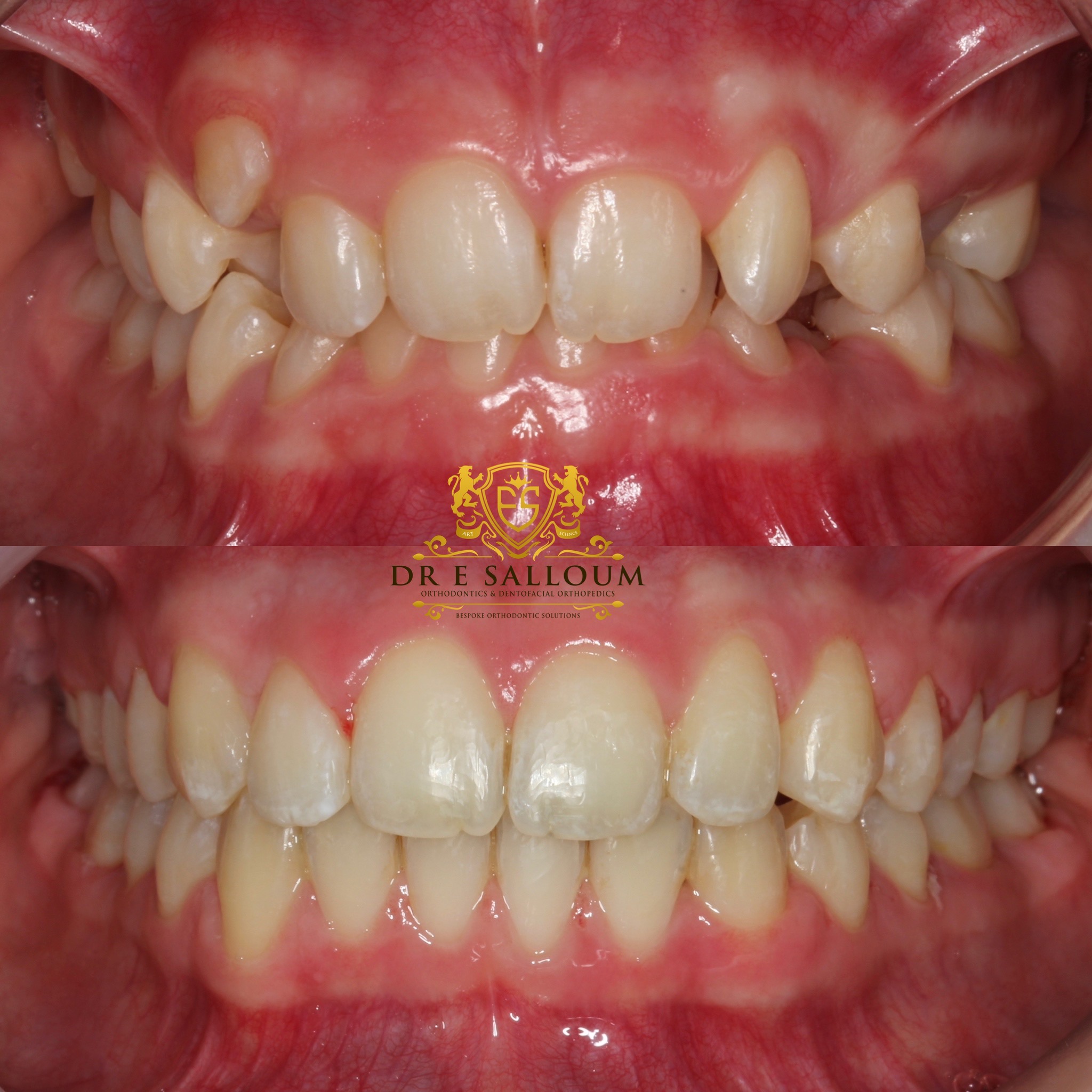
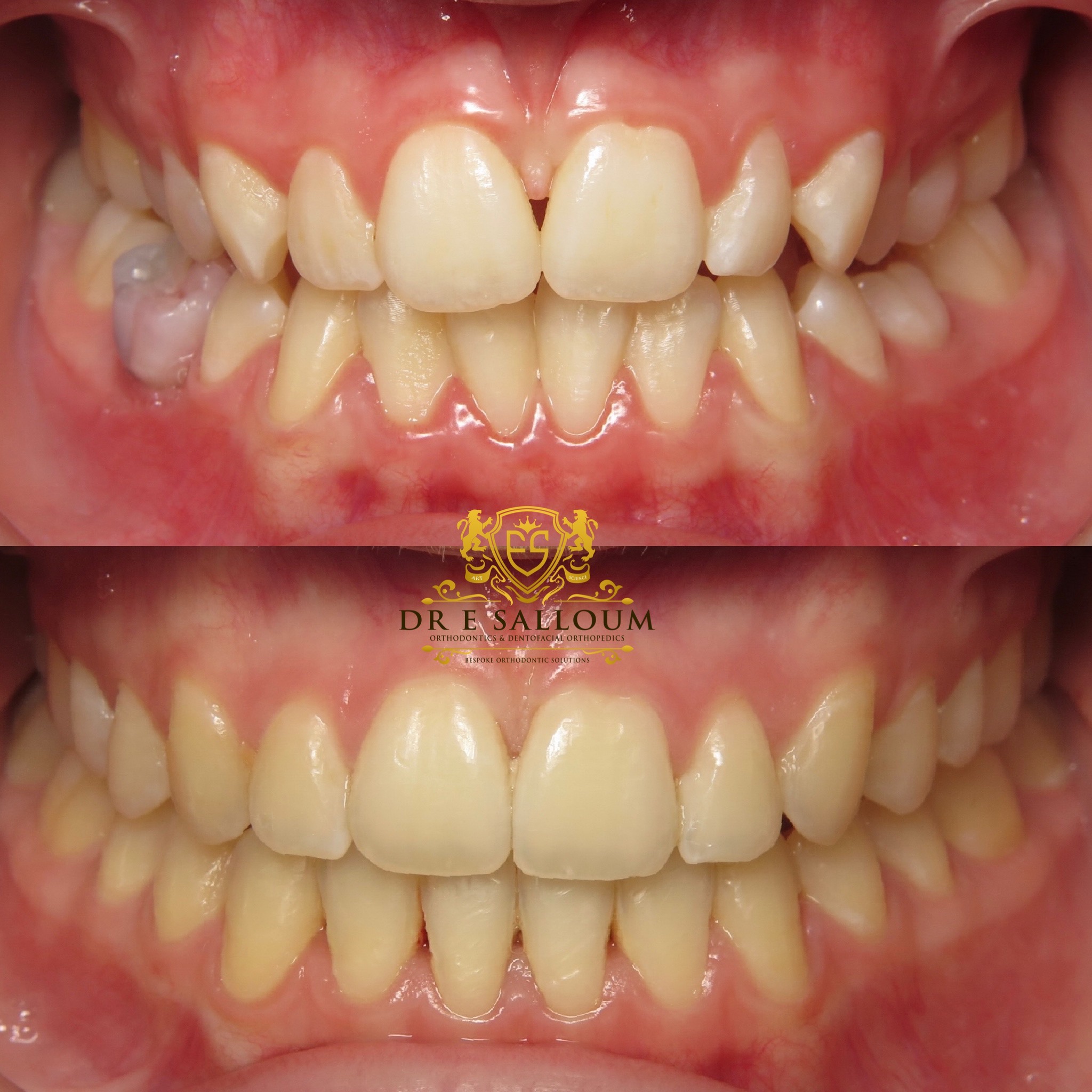
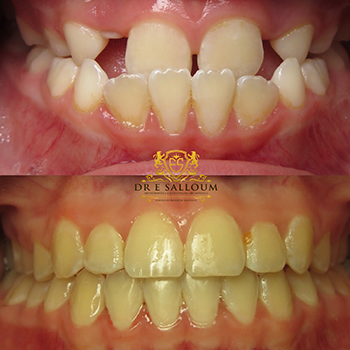
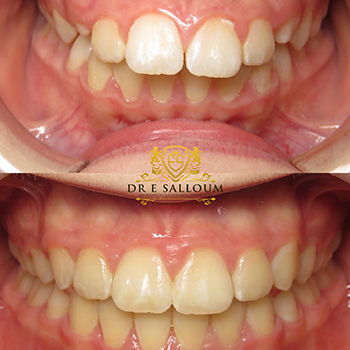
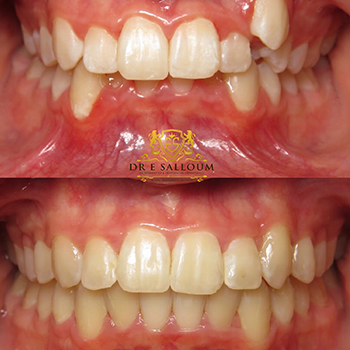
When patients ask, “What is the best orthodontic treatment option?”, the most accurate answer is this: there is no single best orthodontic treatment. The ideal approach depends entirely on the individual patient’s clinical needs, facial structure, age, lifestyle, and treatment goals.
Orthodontics has evolved significantly over the past two decades. Today, patients in Dublin have access to a wide range of advanced, evidence-based treatment options that can address problems which, in the past, were difficult to manage or required far more invasive procedures.
Historically, orthodontic treatment was largely limited to conventional fixed metal braces. While effective, these appliances were highly visible and offered limited options for adults or patients seeking discreet treatment.
Modern orthodontics now provides tailored solutions for almost every clinical scenario, including complex bite problems, skeletal discrepancies, and adult cases that previously required surgery as the first line of treatment.
One of the most significant advancements in orthodontics relates to palatal expansion in adults.
In the past, adult patients with a narrow upper jaw typically required surgically assisted rapid palatal expansion (SARPE), a hospital-based procedure involving general anaesthesia and relatively more invasive procedure.
Today, many suitable adult cases can be treated using mini-screw assisted rapid palatal expansion (MARPE, MASPE, BAME, MSE, DOME)). These techniques use carefully planned digitally guided placement of temporary anchorage screws to achieve true skeletal (bony) expansion, without dental tipping. In some patients, MARPE can be carried out alone, while in others it may be combined with a minimally invasive surgical facilitation procedure to improve predictability and stability.
This development has transformed treatment options for adults who previously had no alternative to major surgery.
Another important development is the use of early interceptive orthodontic treatment as part of a multidisciplinary approach to children with sleep-disordered breathing.
Sleep-disordered breathing exists on a spectrum, ranging from habitual snoring and increased upper-airway resistance to obstructive sleep apnoea. Children may present with snoring, mouth breathing, restless sleep, pauses in breathing, daytime tiredness, behavioural difficulties or reduced concentration.
The causes are often multifactorial. Enlarged adenoids or tonsils, nasal obstruction and allergies are the most common contributors. However, orthodontic or craniofacial features may also be relevant, including:
Where a genuine orthodontic or skeletal discrepancy is present, early treatment may include palatal expansion, functional appliance treatment or correction of an unfavourable bite. Myofunctional therapy may also be considered as an adjunct to support nasal breathing, lip seal, tongue posture and swallowing where appropriate.
Orthodontic treatment does not replace assessment by an ENT surgeon, paediatrician or sleep physician, and it should not be presented as a guaranteed cure for sleep-disordered breathing or sleep apnoea. For example, a child should not undergo palatal expansion solely because they snore if the upper jaw has a normal width.
The objective is to identify and correct relevant structural or dental deficiencies while medical colleagues address other causes of airway obstruction. In appropriately selected children, this coordinated approach may improve dental development, oral function and facial growth while potentially contributing to healthier breathing and sleep.
Another major advancement is the availability of fully customised and invisible lingual braces.
Unlike conventional braces, lingual appliances are bonded to the inner (tongue-side) surfaces of the teeth, making them completely invisible from the outside. This is the only truly invisible fixed orthodontic treatment available.
In the past, patients seeking fixed braces had no option other than visible metal appliances. Today, customised lingual systems allow precise, controlled tooth movement while maintaining aesthetics throughout treatment, making them particularly suitable for professionals and adult patients.
Clear aligner therapy represents another important development in orthodontics.
Aligners are removable, transparent trays that straighten teeth gradually. They offer:
Clear aligners are an excellent option for many mild to moderate orthodontic problems. However, they are not universally suitable for all cases, particularly those involving complex bite correction or significant skeletal discrepancies. Careful case selection remains essential.
For some patients, particularly those with significant jaw discrepancies, orthognathic (jaw) surgery combined with orthodontic treatment remains the most appropriate solution.
This approach allows correction of:
When indicated, combined orthodontic and surgical treatment can restore facial balance and harmony in addition to achieving an optimal bite.
One of the greatest advancements across all orthodontic treatments is digital planning.
Modern orthodontics now utilises:
These tools allow for greater accuracy, improved predictability, and more efficient treatment planning. However, it is important to understand that technology alone does not guarantee superior outcomes.
While technological innovation has undoubtedly transformed orthodontics, gadgets, software, and appliances do not produce results on their own.
Successful orthodontic treatment still depends primarily on:
Technology is a powerful tool, but it is only as effective as the clinician guiding it.
The best orthodontic treatment is the one that is carefully tailored to the individual patient, based on a thorough clinical assessment and realistic treatment goals.
Whether that involves clear aligners, lingual braces, MARPE expansion, conventional fixed appliances, or combined surgical treatment, the key is selecting the right solution for the right patient, rather than applying a one-size-fits-all approach.
A comprehensive consultation with a specialist orthodontist remains the most important first step in determining the most appropriate treatment pathway. Click here for bookings.
Back to Blog
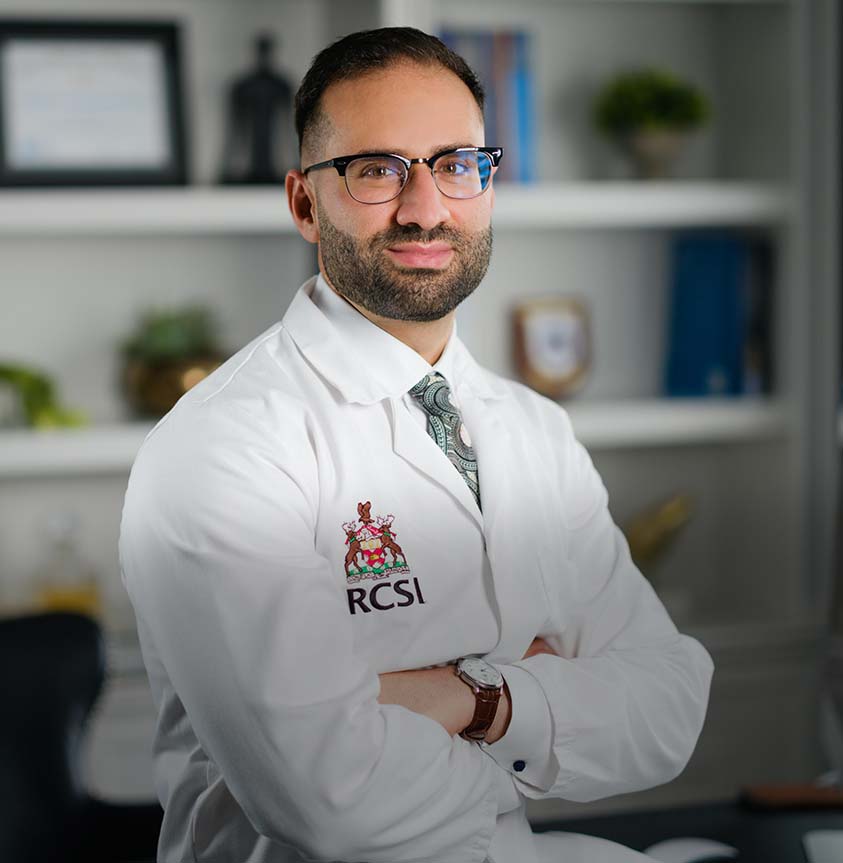
I recommend and prescribe orthodontic treatments to my patients as if they were my own family and I value meaningful relationships based on communication, confidence and trust.

“We highly recommend Dr Erfan Sallom, he transformed our daughter's teeth and she’s extremely happy with her beautiful smile! We were looking for a Orthodontist...”

“I was very anxious about orthodontic treatment and as such delayed it for years. I had no need to be nervous with the expertise and...”
“I would really recommend anyone to Dr Erfan Salloum, my experience with Erfan was amazing. I had no issue he was very knowledgeable about his...”
“I have just finished my two year orthodontic treatment with Dr Erfan and I would highly recommend. He explained everything perfectly about the treatment plan...”