Written by Dr Erfan Salloum
Specialist Orthodontist | Founder & Clinical Director, Lusk Orthodontics
BDS, PGCert(Orth), DClinDent(Orth), MsLing(Orth), MFD RCSI, MFDS RCPSG, MOrth RCSEd, FFD(Orth) RCSI, MOrth RCSEng, FDS RCSEng, FDS RCPSG | Diplomate, European Board of Orthodontics (EBO) | Diplomate, European Board of Aligner Orthodontics (EBAO) | Titular Member, European Society of Lingual Orthodontics (ESLO) | Active Member, World Society of Lingual Orthodontics (WSLO)
Updated: July 2026
One of the most common questions parents ask me is:
“When should my child have braces?”
The answer is rarely determined by age alone.
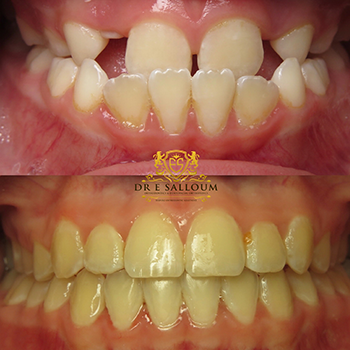
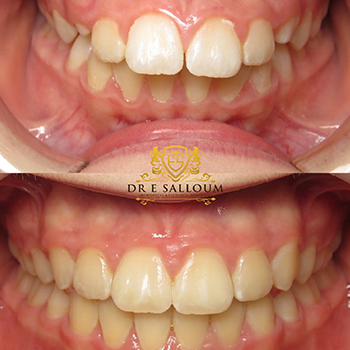
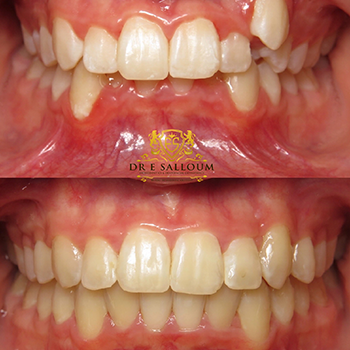
Many websites recommend that every child should have an orthodontic assessment around the age of 7 or 8, and I generally agree that this is an excellent time for most children. However, every child develops differently. Some benefit from assessment even earlier (4 to 6 yard of age), while others do not require treatment until their teenage years.
The most important factor is not age—it is making an accurate diagnosis.
As a Specialist Orthodontist, my role is not simply to decide how to straighten teeth. My responsibility is to determine whether treatment is needed at all, what type of treatment is appropriate, and when the timing is most favourable.
Depending on the diagnosis, the most appropriate course may be early intervention, careful monitoring, or no treatment at all. Each recommendation is equally valuable when it is tailored to the individual child and based on a comprehensive clinical assessment.
Should Every Child Have Early Orthodontic Treatment?
No.
In my opinion, early orthodontic treatment should never become routine.
Children grow and develop at different rates, and there is no single age at which treatment is appropriate for everyone.
Many children genuinely benefit from waiting until more permanent teeth have erupted. Beginning treatment too early may unnecessarily increase the overall treatment time without improving the final outcome.
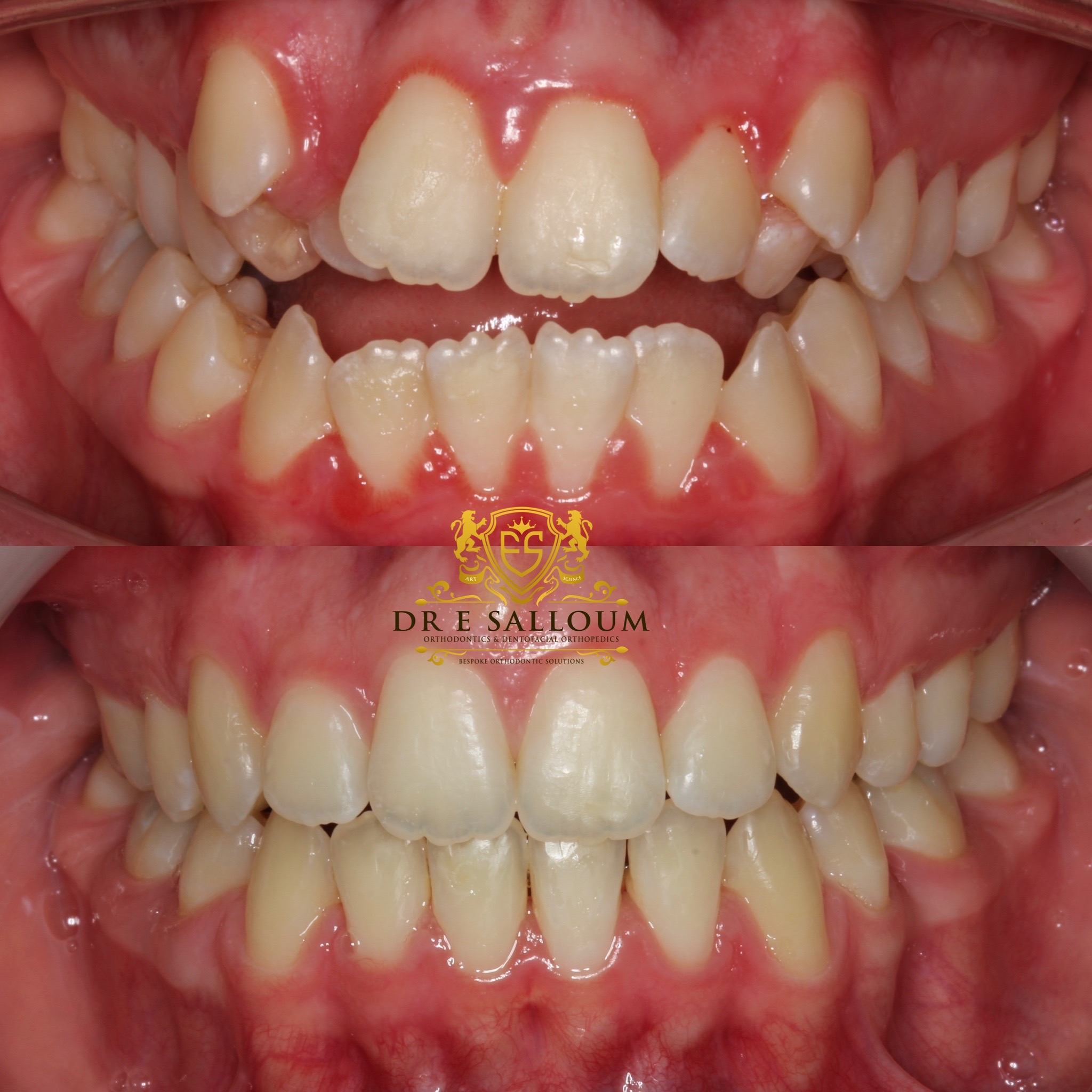
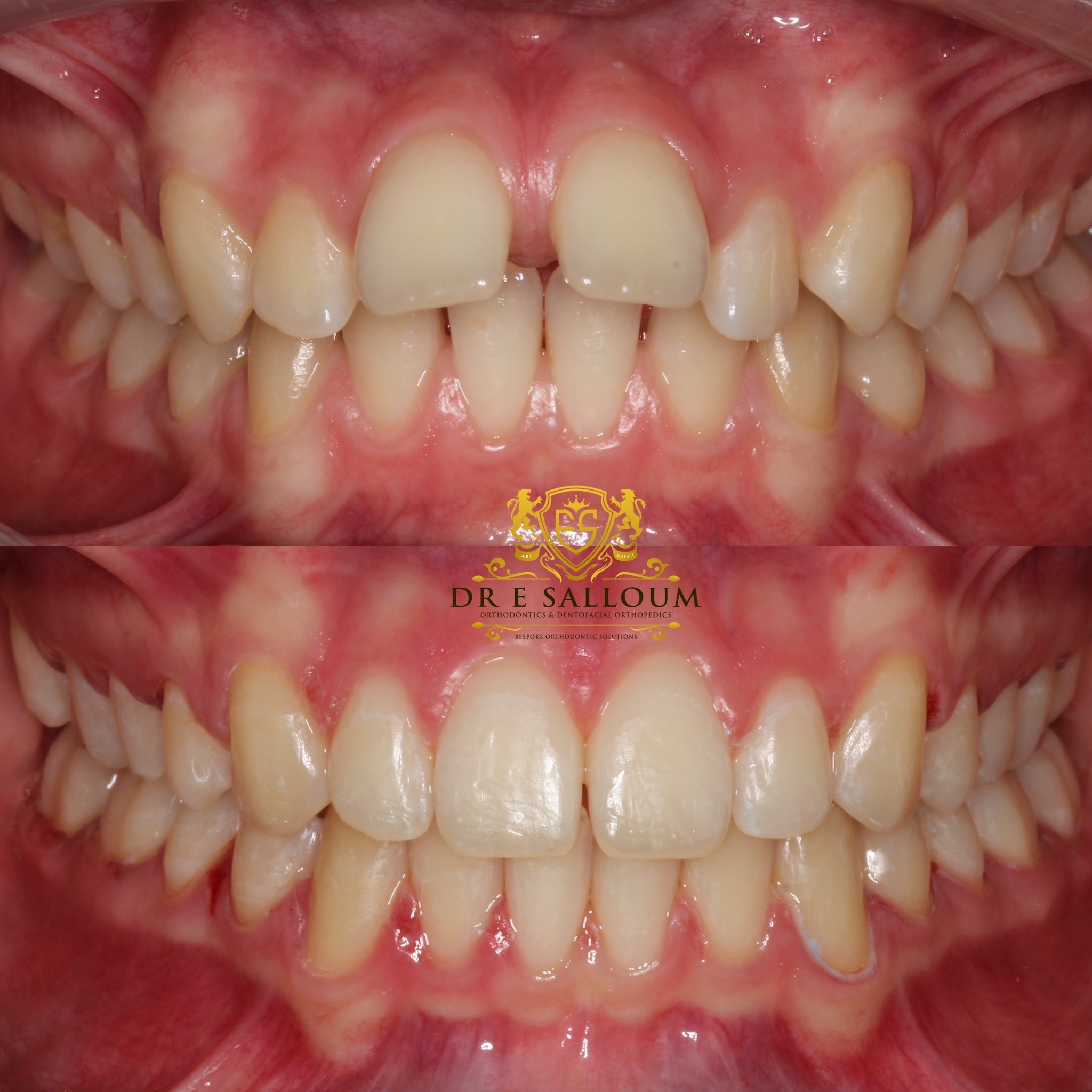
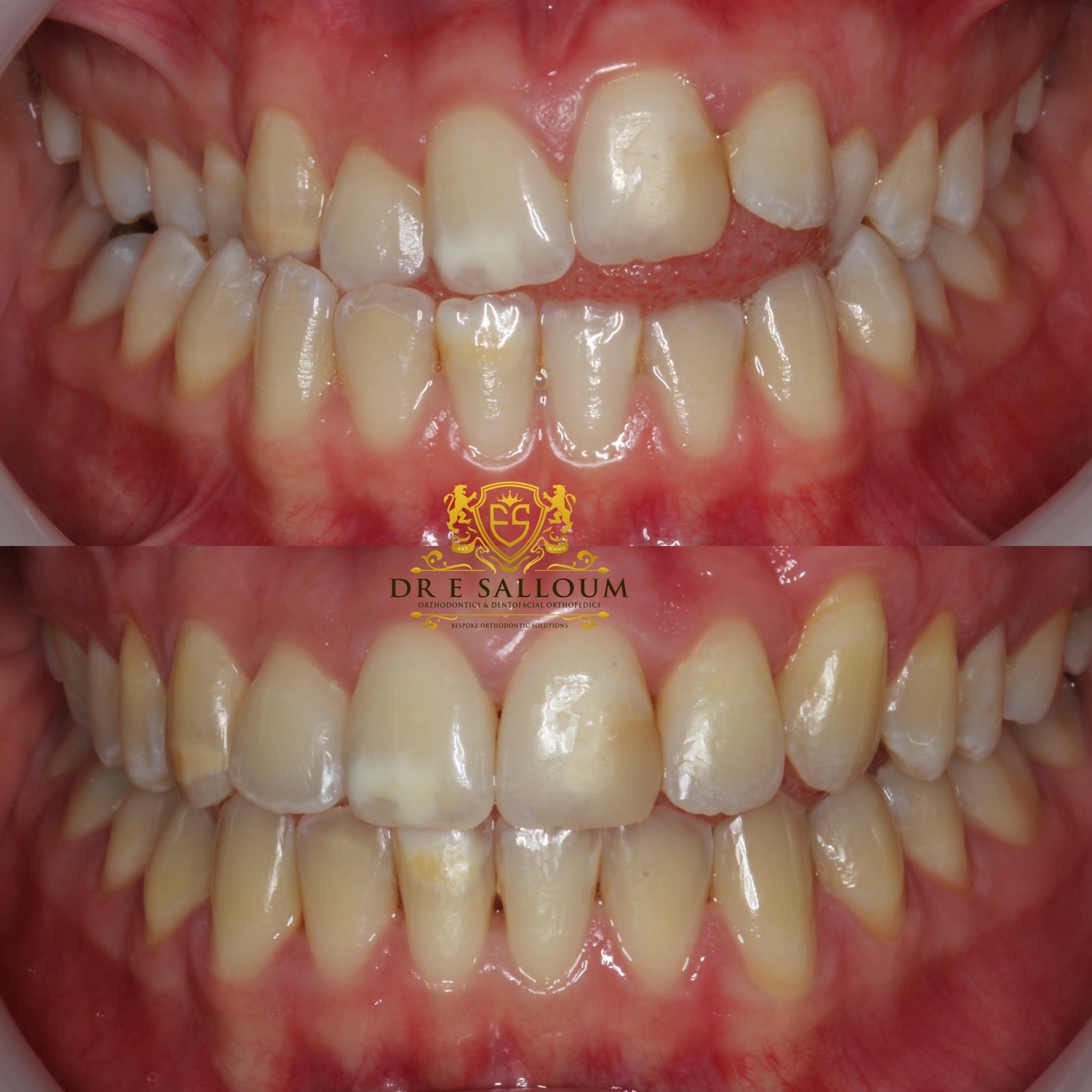
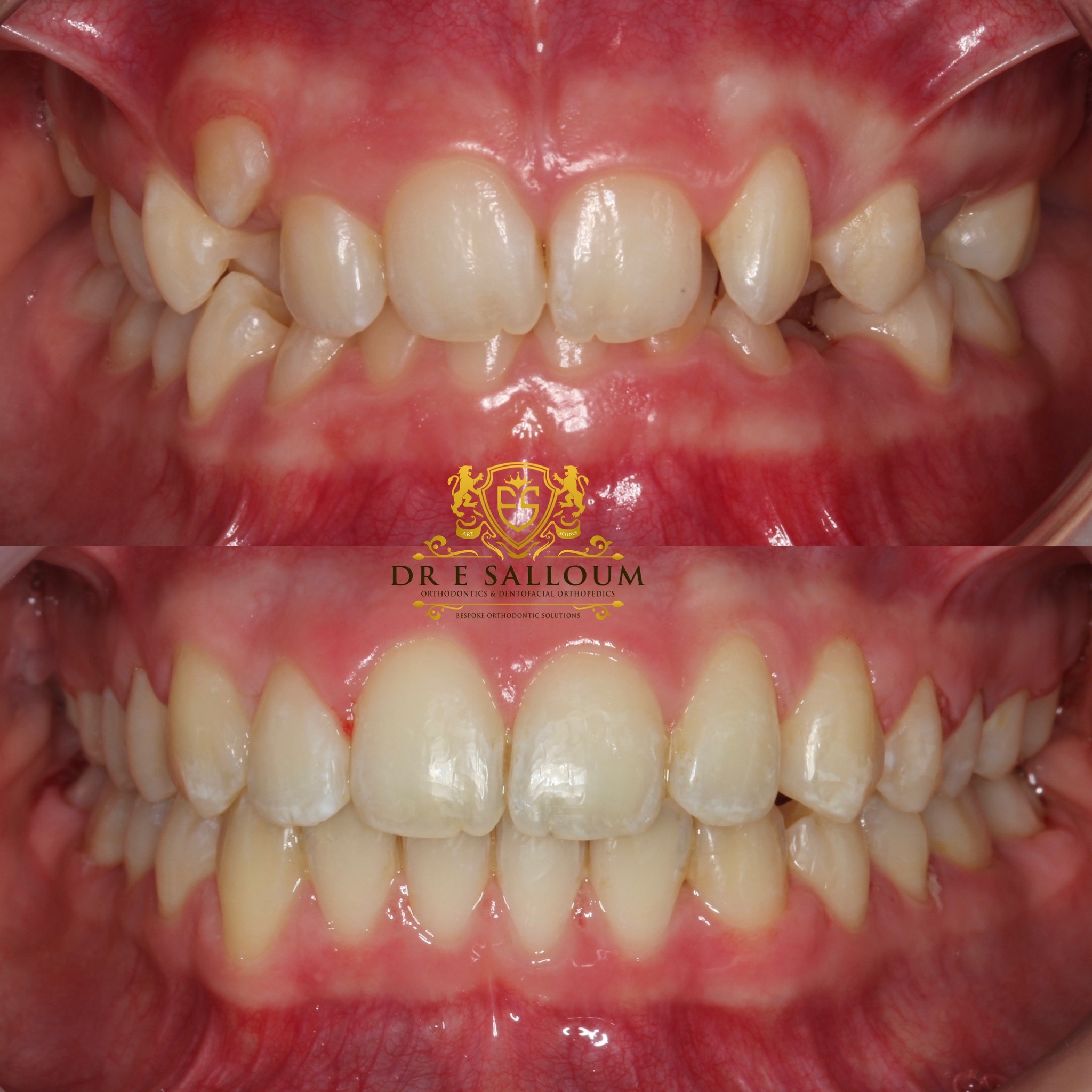
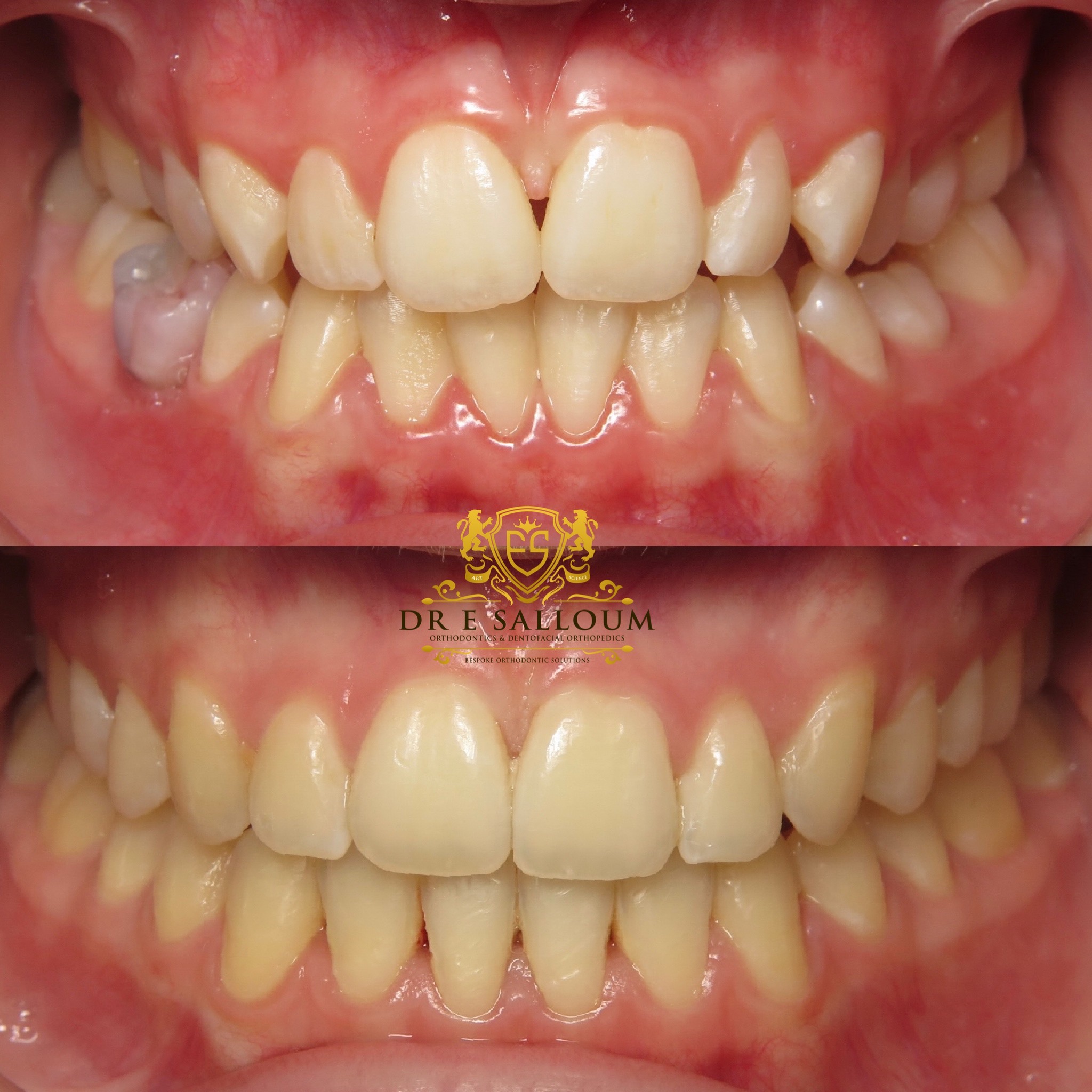
Equally, there are children for whom early intervention offers clear advantages.
These include children with:
The decision should never be based solely on age.
It should always be based on diagnosis.
One of the biggest misconceptions about orthodontics is that treatment is simply about straightening teeth.
During every child’s assessment, I evaluate much more than dental alignment.
I assess:
This broader assessment often identifies problems that cannot be recognised simply by looking at the teeth.
Facial growth is influenced by a complex interaction between genetics and environmental factors.
Genetics largely determine an individual’s growth potential.
Environmental influences—including oral habits, muscle function and breathing patterns—may also affect how that genetic potential is expressed during childhood.
Orthodontic treatment cannot completely override a child’s genetic growth pattern.
However, carefully timed dentofacial orthopaedic treatment can influence jaw development in selected growing children and may reduce the severity of certain skeletal problems when carried out during appropriate stages of growth.
Understanding which children are likely to benefit is one of the most important aspects of specialist orthodontic diagnosis.
Another area that has received increasing attention over recent years is the relationship between orthodontics and breathing.
Many children present with:
These conditions are complex and almost always involve multiple contributing factors.
For this reason, I never present orthodontics as a cure for breathing problems.
However, orthodontic treatment can play an important role in carefully selected children as part of a multidisciplinary management plan.
The roof of the mouth also forms the floor of the nose.
When the upper jaw is genuinely narrow, the nasal cavity may also be narrower.
In appropriately selected children, palatal expansion widens the upper jaw and simultaneously widens the floor of the nasal cavity.
A growing body of research suggests that this may reduce nasal resistance and improve nasal airflow in some patients.
Palatal expansion is not a universal treatment for breathing problems. It will not treat enlarged adenoids, enlarged tonsils, allergic rhinitis, or a deviated nasal septum. Rather, its role is to correct a constricted upper jaw when maxillary transverse deficiency contributes to the child’s overall clinical picture.
Why ENT Assessment Is Often Essential
If a child persistently struggles to breathe through their nose, I usually recommend assessment by an ENT consultant rather than relying solely on a general medical assessment.
An ENT specialist can investigate structural causes of nasal obstruction, including:
Many children benefit from multidisciplinary care involving an orthodontist, ENT consultant, paediatric dentist, myofunctional therapist and, where appropriate, sleep physician.
No single healthcare professional manages every aspect of these conditions.
For most children, I recommend an initial orthodontic assessment around the age of 7 or 8.
However, children with significant jaw discrepancies, crossbites, delayed eruption, mouth breathing, prolonged oral habits or concerns regarding facial development should often be assessed earlier.
The purpose of that assessment is not necessarily to begin treatment immediately.
Instead, it allows me to answer three important questions:
Those answers differ for every child.
The timing of orthodontic treatment should never follow a one-size-fits-all approach.
Some children benefit from early intervention.
Many benefit from waiting.
The key is making the correct diagnosis at the correct time.
As a Specialist Orthodontist, my aim is not to treat every child early, nor to delay treatment unnecessarily. My goal is to identify the right treatment, at the right time, for the right child.
That philosophy underpins every assessment I carry out.
Back to Blog
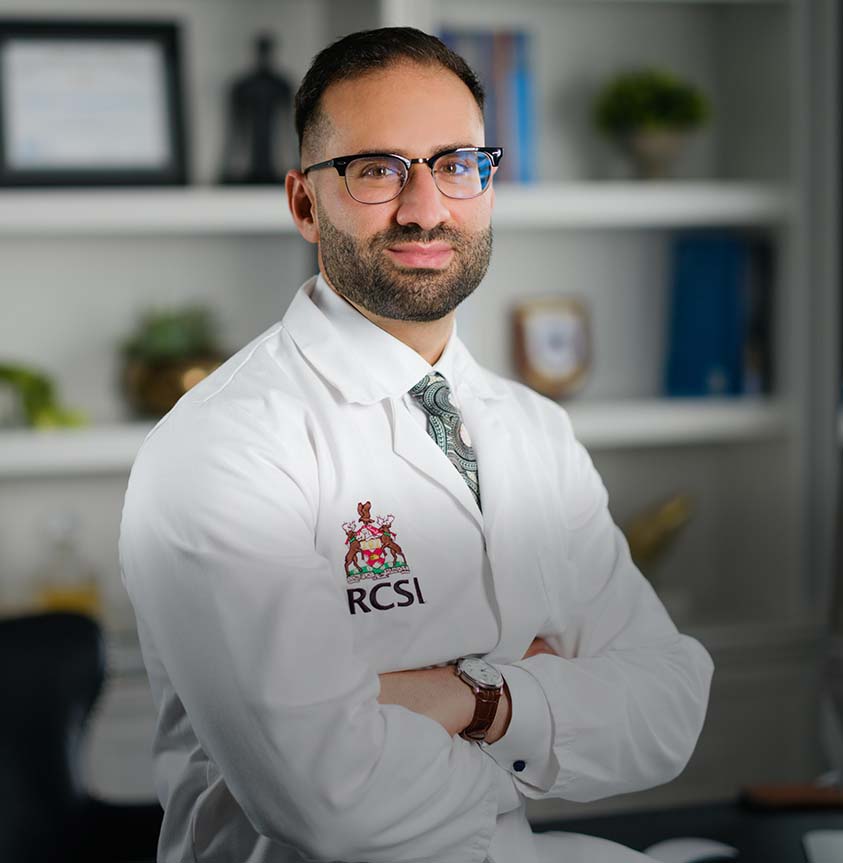
I recommend and prescribe orthodontic treatments to my patients as if they were my own family and I value meaningful relationships based on communication, confidence and trust.

“We highly recommend Dr Erfan Sallom, he transformed our daughter's teeth and she’s extremely happy with her beautiful smile! We were looking for a Orthodontist...”

“I was very anxious about orthodontic treatment and as such delayed it for years. I had no need to be nervous with the expertise and...”
“I would really recommend anyone to Dr Erfan Salloum, my experience with Erfan was amazing. I had no issue he was very knowledgeable about his...”
“I have just finished my two year orthodontic treatment with Dr Erfan and I would highly recommend. He explained everything perfectly about the treatment plan...”