By Dr Erfan Salloum, DDS, DClinDent (Orth), MOrth RCSEd, FFD (Orth) RCSI, MOrth RCSEng, FDS RCPSG, FDS RCSEng Diplomate of the European Board of Aligner Orthodontics (EBAO) | Specialist Orthodontist, Lusk Orthodontics | Active Member, European and World Societies of Lingual Orthodontics
If you have noticed your child breathing through their mouth, snoring at night, or waking up tired despite a full night in bed, you are right to take it seriously. Paediatric sleep disordered breathing is more common than many parents realise. Its effects on a child’s health, development, and future go far beyond a bad night’s sleep. This guide explains what sleep disordered breathing is, why orthodontists are uniquely placed to spot it early, and what can be done about it.
Paediatric sleep disordered breathing (SDB) describes a range of conditions in which a child’s normal breathing is disrupted during sleep. At the milder end sits habitual snoring and upper airway resistance syndrome. At the more serious end sits obstructive sleep apnoea (OSA), where breathing repeatedly stops and restarts throughout the night.
OSA affects between 1 and 5% of children according to the American Academy of Pediatrics (Marcus et al., Pediatrics, 2012). Many more children experience milder forms of SDB. These milder forms still carry significant health consequences if families and clinicians leave them unaddressed. The AAP now recommends routine SDB screening at every well-child visit because of its effects on growth, behaviour, and cardiovascular health.
My primary focus as an orthodontist is the teeth, jaws, and bite. These cannot be separated from the broader picture of craniofacial development and growth. The way a child’s face, jaws, and airway develop are deeply interconnected. Craniofacial growth is one of the cornerstones of orthodontic science.
Diagnosing or treating SDB directly falls to sleep physicians and ENT specialists. What orthodontists offer, though, is a uniquely valuable vantage point. We see children early, often from age six or seven. We see them repeatedly over many years. That gives us an unparalleled opportunity to notice the signs that flag a child at risk.
Our role is to identify red flags, coordinate referrals to the right specialists, and consider conservative early orthodontic treatments that can optimise the anatomy of the face and airway. The goal is to give the child the best possible platform for healthy craniofacial growth.
This is not about overriding genetics. Orthodontic treatment cannot do that. What it can do is optimise the anatomy and surrounding environment. That gives a child’s genetic potential for healthy growth the best possible chance to express itself.
Many parents who raise concerns with their doctor are told their child’s mouth breathing is perfectly normal. This is one of the most harmful misconceptions in childhood health. The evidence is clear: chronic mouth breathing in children is not normal, not harmless, and clinicians should not ignore it.
The nose is the organ designed for breathing. The mouth is not. When a child breathes through their mouth chronically, the consequences accumulate over time. Research in the Laryngoscope (Harari et al., 2010) showed that mouth-breathing children develop measurably different facial and skeletal growth patterns. They present with narrower arches, longer facial proportions, and altered jaw relationships. Jefferson in General Dentistry (2010) documented the effects on facial growth, academic performance, and behaviour. He called on the entire healthcare community to screen for mouth breathing in children as young as five. A multicentre study in the American Journal of Respiratory and Critical Care Medicine (Bhattacharjee et al., 2010) confirmed the serious systemic consequences of untreated upper airway obstruction in children.
A child who breathes through their mouth day and night is not simply a child with a habit. Their facial development, sleep quality, brain development, and long-term airway health are all affected. These effects compound with every passing year.
When a child breathes through the nose, air is warmed, humidified, and filtered. It also mixes with nitric oxide, a potent vasodilator the nasal sinuses produce. Research by Lundberg (Anatomical Record, 2008) showed that nasal nitric oxide plays a meaningful role in cardiovascular regulation. It improves oxygen delivery to tissues and supports healthy blood pressure.
Children who breathe nasally also achieve deeper, more restorative sleep. During deep sleep, children consolidate memory, regulate behaviour, and release growth hormone. A child who habitually mouth-breathes misses out on this quality of sleep every single night.
The most important reason to address mouth breathing early is the chain of anatomical changes it triggers. Each step makes the next one worse.
Chronic mouth breathing causes the tongue to drop to the floor of the mouth. It should rest against the palate. With the tongue low, the jaw and cheek muscles push inward on the dental arches, narrowing them over time. Narrower arches leave less room for the tongue. The tongue drops further and pushes the jaws downward and backward. The child opens their mouth wider to compensate. This reinforces the very habit driving the problem. Over time, as Guilleminault and colleagues documented (Archives of Pediatrics and Adolescent Medicine, 2005), this cycle builds the anatomy that predisposes a child to OSA in adolescence and adulthood.
The non-sleep consequences add further to the picture: compromised cardiovascular health, impaired concentration, behavioural difficulties at school, and lasting changes to facial growth and appearance.
Nasal breathing is not simply preferable. It is the biological norm. Restoring it in a child who has drifted away from it is one of the most important things we can do for their long-term health.
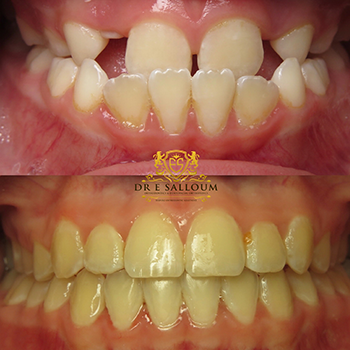
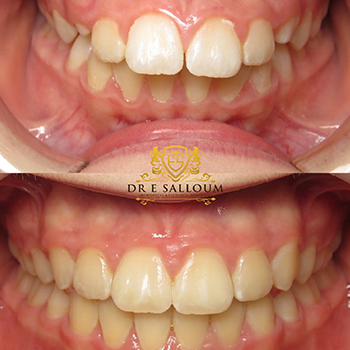
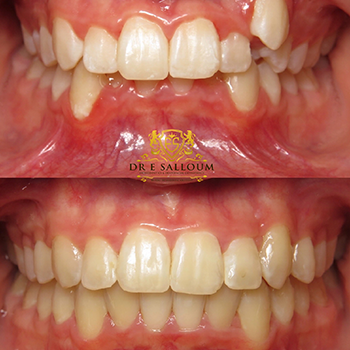
The anatomy that chronic mouth breathing and low tongue posture create is not permanent. Early identification opens the door to several conservative, well-supported interventions. These can reverse the changes and give the child a much better foundation for normal growth.
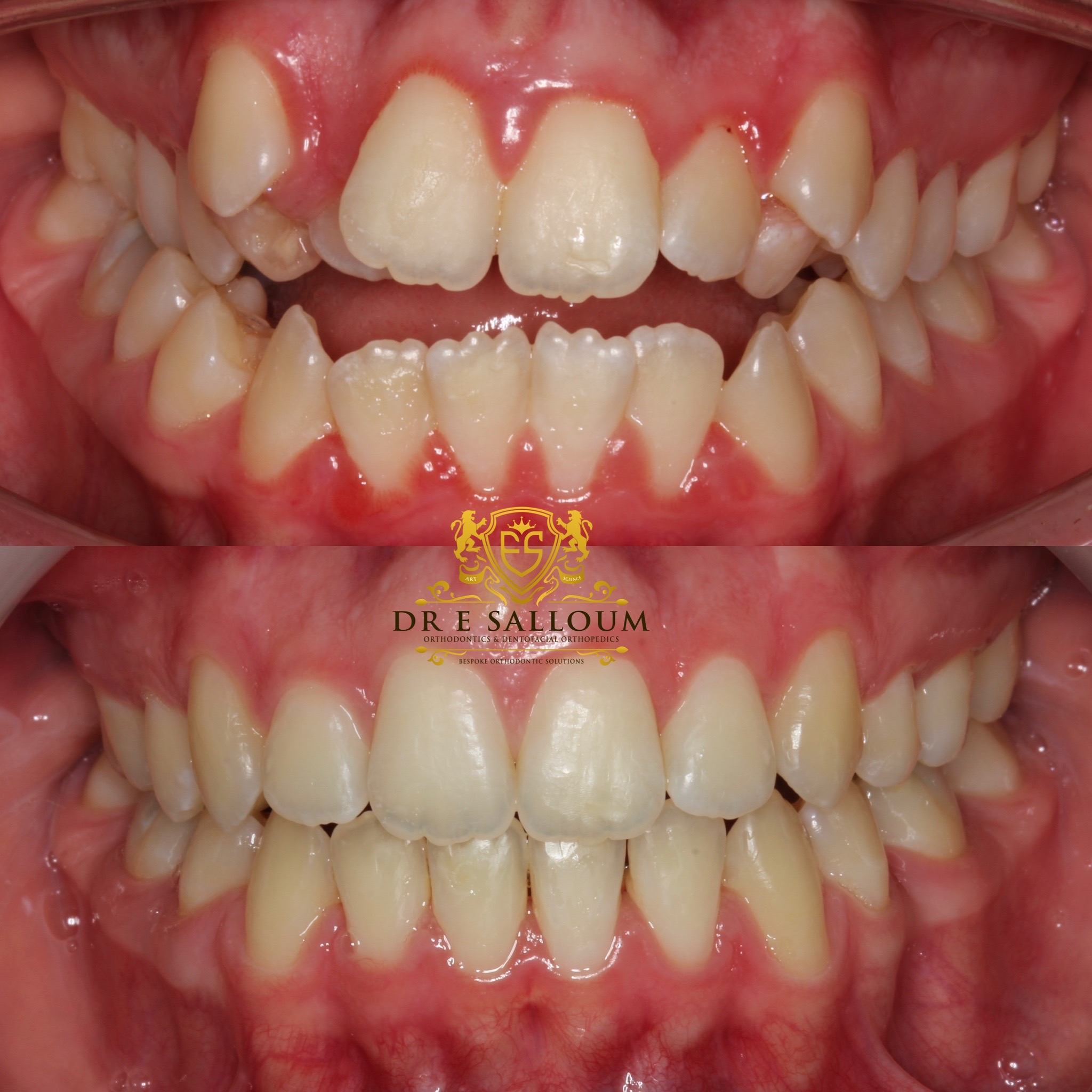
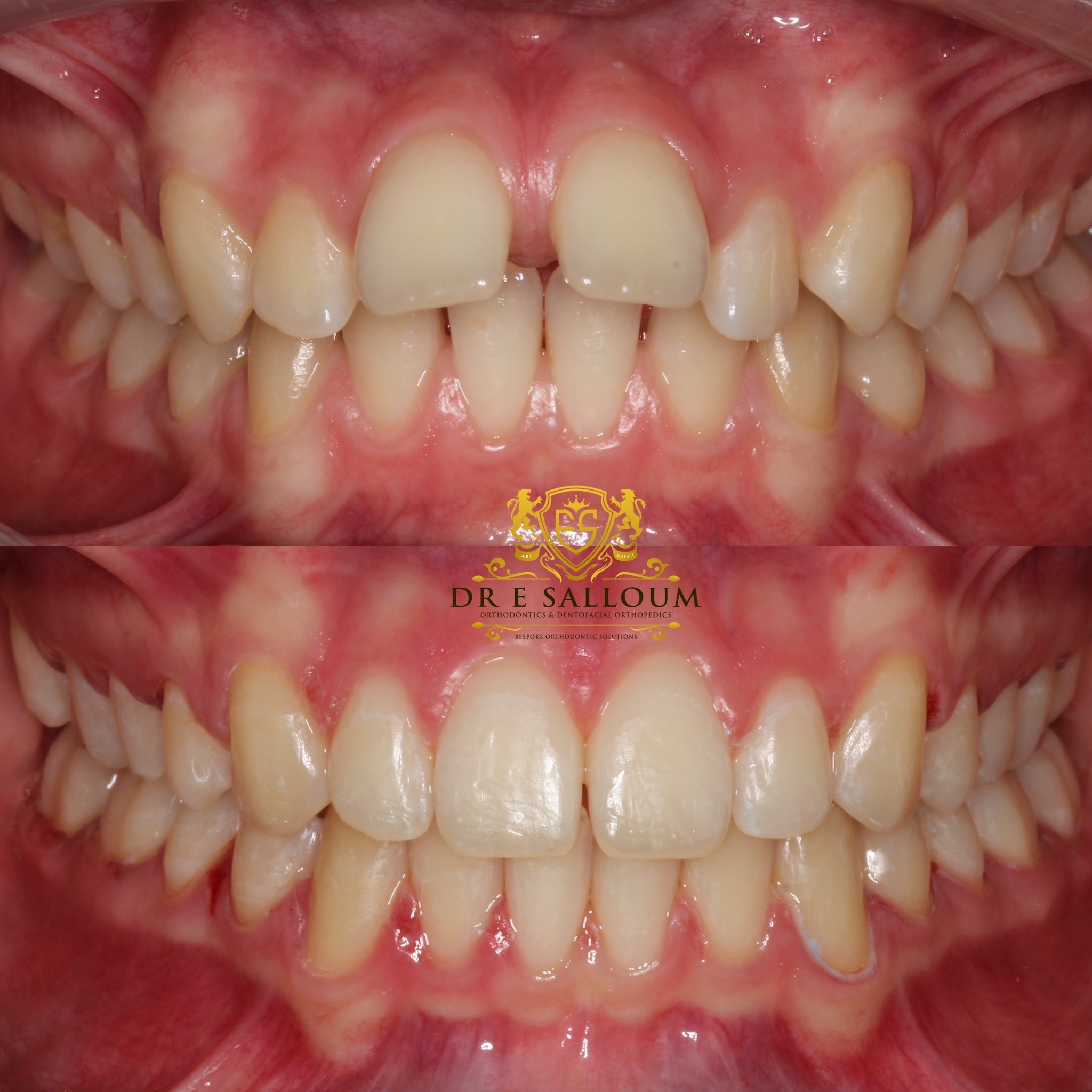
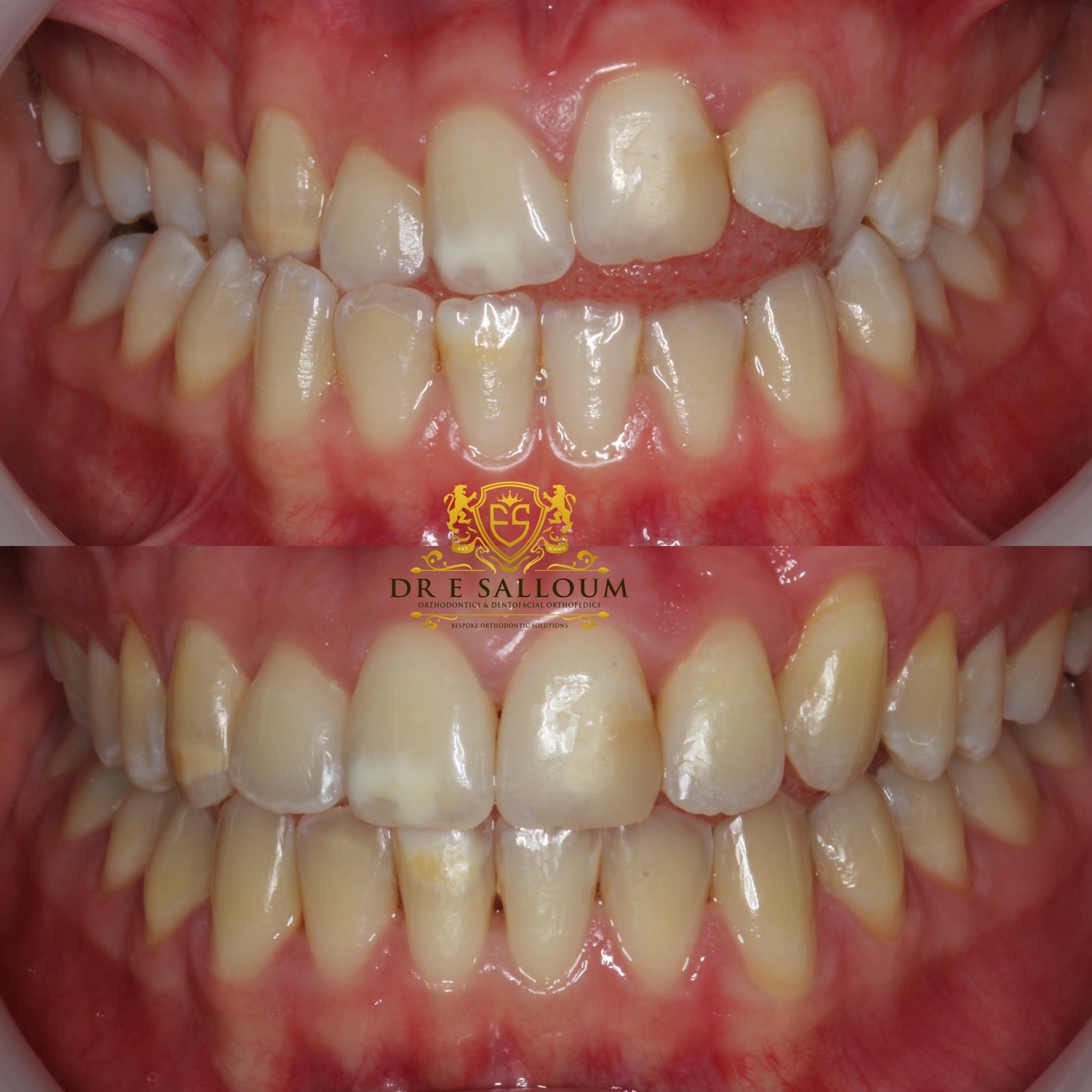
Orthodontic expanders widen the upper dental arch. This gives the tongue more room to rest naturally against the roof of the mouth. Palatal expansion also widens the nasal floor. This directly reduces resistance to nasal breathing. Pirelli, Saponara, and Guilleminault showed in Sleep (2004) that rapid maxillary expansion produced significant improvements in children with OSA. The study group showed substantial reductions in apnoea-hypopnoea indices.
Enlarged adenoids and tonsils rank among the most common contributors to SDB in children. When examination reveals signs of adenotonsillar hypertrophy, referral to an ENT specialist for possible adenotonsillectomy can produce dramatic improvements in breathing and sleep quality.
A significant tongue tie physically stops the tongue from resting on the palate. This locks a child into low tongue posture regardless of other treatment. Where clinicians identify this, a referral for frenectomy removes the structural barrier and allows proper tongue function.
Orofacial myofunctional therapy uses targeted exercises to retrain tongue posture and nasal breathing patterns. It works best alongside orthodontic treatment. It reinforces the gains from appliance therapy and helps establish lasting muscle habits.
Cone beam CT technology gives orthodontists a three-dimensional view of the craniofacial structures, some of which relate directly to the airway. To be clear, CBCT does not diagnose sleep apnoea. A formal sleep study interpreted by a sleep physician is required for that. What CBCT does is show us the anatomy in detail. We can assess the width of the dental arches, the position of the tongue base, the size of the adenoids and tonsils, and any anatomical bottlenecks in the craniofacial skeleton. It is a tool for identifying structural risk factors and guiding referrals. It is not a substitute for a sleep study.
Orthodontics is considerably more than straightening teeth. Used early and with purpose, it is a genuine screening and preventive tool for paediatric sleep disordered breathing.
Many parents assume a formal sleep study, known as polysomnography (PSG), is always required before diagnosis and treatment. This is worth addressing directly. Many families face long waiting lists. Some children find the process difficult.
The British Thoracic Society published its 2023 Guideline for Diagnosing and Monitoring Paediatric Sleep-Disordered Breathing (Evans et al., Thorax, 2023). It is clear on this point: polysomnography is generally not required to diagnose SDB in children. Sleep questionnaires combined with a structured clinical assessment are sufficient in many cases. Clinicians reserve further testing, such as pulse oximetry or PSG, for situations where clinical findings are inconsistent or where greater certainty is needed.
The guideline also recognises the role of parental observation. Clinicians use video and audio recordings of a child sleeping in a similar way to direct observation. These recordings do not provide a formal severity score. But they capture what parents already see at home — the open mouth, the laboured breathing, the snoring, the pauses. They bring that evidence directly into the clinical conversation.
If you have recorded your child snoring or struggling to breathe at night on your phone, show it to your clinician. That footage has real clinical value. It is not anecdotal. It is useful clinical information.
A diagnosis and a decision to act do not always have to wait for a PSG appointment. A thorough clinical assessment, symptom questionnaires, physical examination, and parental video evidence can all contribute. Where uncertainty exists or symptoms are severe, a formal sleep study remains the most detailed tool available. But its absence should not mean the absence of action.
A common response parents receive is that children often grow out of mouth breathing or snoring. Many clinicians suggest watching and waiting. This needs a direct answer.
Some children do improve with age. But a significant proportion do not. Research consistently shows that approximately one third of children with SDB either stay the same or progress to more severe disease, including frank OSA (Guilleminault et al., Archives of Pediatrics and Adolescent Medicine, 2005). Waiting means accepting a roughly one in three chance the condition worsens. That is not a reasonable gamble when conservative treatments exist.
Treatment should begin as early as clinicians identify SDB. The developing brain does not wait. Every month of disrupted sleep during childhood carries a cost. Gozal and Pope (Pediatrics, 2001) found that children who snored in early childhood showed measurably lower academic performance at age thirteen to fourteen. This held true even when the snoring had long since resolved. Chervin and colleagues (Pediatrics, 2002) linked SDB symptoms directly to inattention and hyperactivity. These effects can persist long after breathing improves. Huang and Guilleminault, reviewing longitudinal evidence in Frontiers in Neurology (2013), confirmed that children with untreated SDB are significantly more likely to develop OSA in later life. This included children who appeared to improve temporarily during adolescence.
The interventions available are conservative and carry low risk. The long-term cost of waiting far exceeds the cost of acting early, even in cases where treatment may ultimately prove unnecessary. The jaws and palate respond best to expansion during childhood, before the mid-palatal suture fuses in early adulthood. Each year of delay reduces what is possible and increases the complexity of what may eventually be needed.
If something about your child’s breathing, sleep, or facial development has caught your attention, take it seriously. The following signs all warrant an early orthodontic assessment:
If your child snores or shows signs of laboured breathing at night, record a short video on your phone while they sleep. This is a genuinely useful clinical tool. Any clinician assessing your child will want to see it.
An early assessment does not commit you or your child to treatment. It gives us the information needed to understand what is happening and make considered decisions together, at the right time.
There is an ongoing debate within orthodontics about whether early treatment is always necessary. The honest answer is nuanced.
When a child’s concerns are purely dental — crowding, spacing, a mild bite issue with no airway component — the case for early intervention is not always clear cut. Many of these issues are addressable at a later stage.
When the picture includes paediatric sleep disordered breathing, signs of SDB, or a potential progression toward OSA, early action is not a debate. It is the right call. An ongoing SDB that clinicians leave unaddressed is not a neutral situation. It quietly causes harm. The neurocognitive effects of disrupted sleep during the most critical years of brain development do not pause while clinicians deliberate. They accumulate.
Some clinicians become so absorbed in the general academic debate about early orthodontic treatment that they miss an active SDB in the child in front of them. The treatments involved are not aggressive. Palatal expansion, adenotonsillectomy, tongue tie release, and myofunctional therapy are all conservative and well evidenced. Weigh these against impaired learning, behavioural difficulties, cardiovascular strain, and a significantly higher lifetime risk of OSA. The case for early action when SDB is present becomes very clear.
Does every child need early orthodontic treatment? No. Does every child with signs of SDB deserve early action? Absolutely yes. These are different questions. Confusing them is a cost the child pays, not the clinician.
Paediatric sleep disordered breathing is a multifactorial problem. It has no single cause and rarely has a single solution.
The anatomy, the muscles, the adenoids and tonsils, the tongue, the nervous system, and genetics all contribute in different combinations in different children. This is why SDB requires a multidisciplinary approach. Orthodontists, ENT surgeons, sleep physicians, myofunctional therapists, paediatricians, and sometimes allergists or respiratory specialists all have a role. They need to work together rather than in isolation.
In many children, several interventions are needed simultaneously or in sequence. Palatal expansion may need combining with adenotonsillectomy. Tongue tie release may need to be followed by myofunctional therapy. ENT treatment may resolve part of the problem while leaving an anatomical component that still needs attention. There is rarely one lever that fixes everything. Honest management must reflect that reality.
Be cautious of any clinician or product that presents one treatment as a complete cure for mouth breathing, snoring, or sleep apnoea in a child. Whether it is an expander, a therapy programme, a device, or a surgical procedure, claims that sound too good to be true almost always are. The evidence base in this field is still developing. Any approach that does not acknowledge the complexity deserves scrutiny.
Evidence-informed care in this area looks like a thorough assessment, an honest conversation about what is and is not known, a coordinated plan involving the right specialists, realistic expectations, and careful monitoring over time. That is what every child with sleep disordered breathing deserves.
If anything in this guide has resonated with you, or if you have concerns about your child’s breathing, sleep, or facial development, the most important thing you can do right now is book an early assessment. The sooner we can see your child, the more options we have available. You can reach us in two ways:
Contact us directly at Lusk Orthodontics to book an appointment, or if you prefer, you can reach out to Dr Erfan Salloum personally by clicking here.
Back to Blog
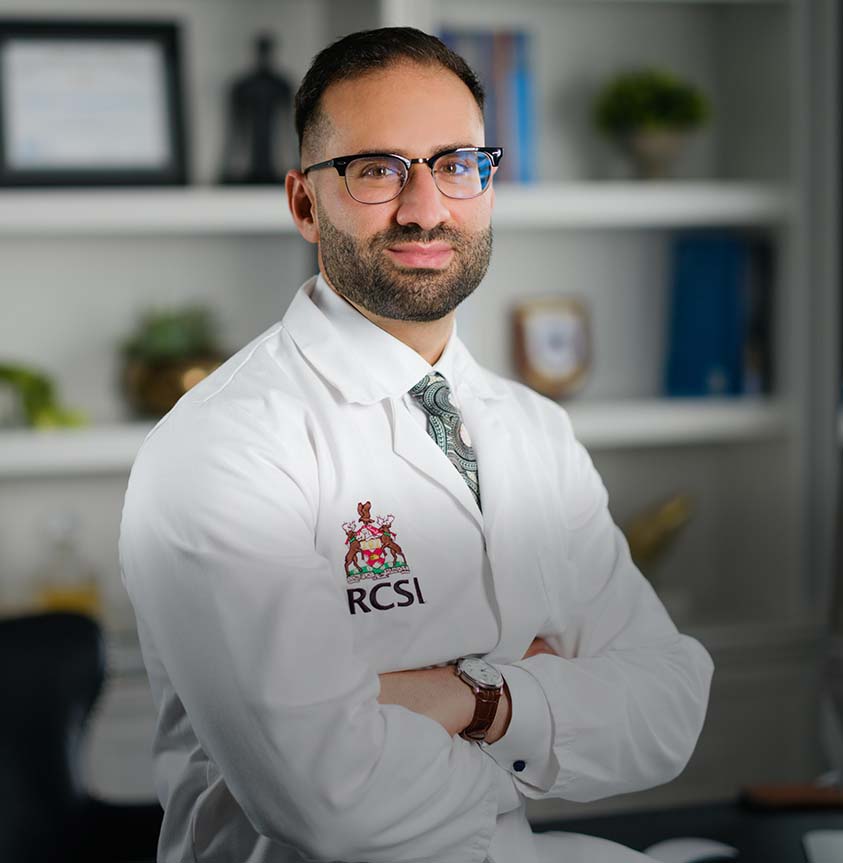
I recommend and prescribe orthodontic treatments to my patients as if they were my own family and I value meaningful relationships based on communication, confidence and trust.

“We highly recommend Dr Erfan Sallom, he transformed our daughter's teeth and she’s extremely happy with her beautiful smile! We were looking for a Orthodontist...”

“I was very anxious about orthodontic treatment and as such delayed it for years. I had no need to be nervous with the expertise and...”
“I would really recommend anyone to Dr Erfan Salloum, my experience with Erfan was amazing. I had no issue he was very knowledgeable about his...”
“I have just finished my two year orthodontic treatment with Dr Erfan and I would highly recommend. He explained everything perfectly about the treatment plan...”