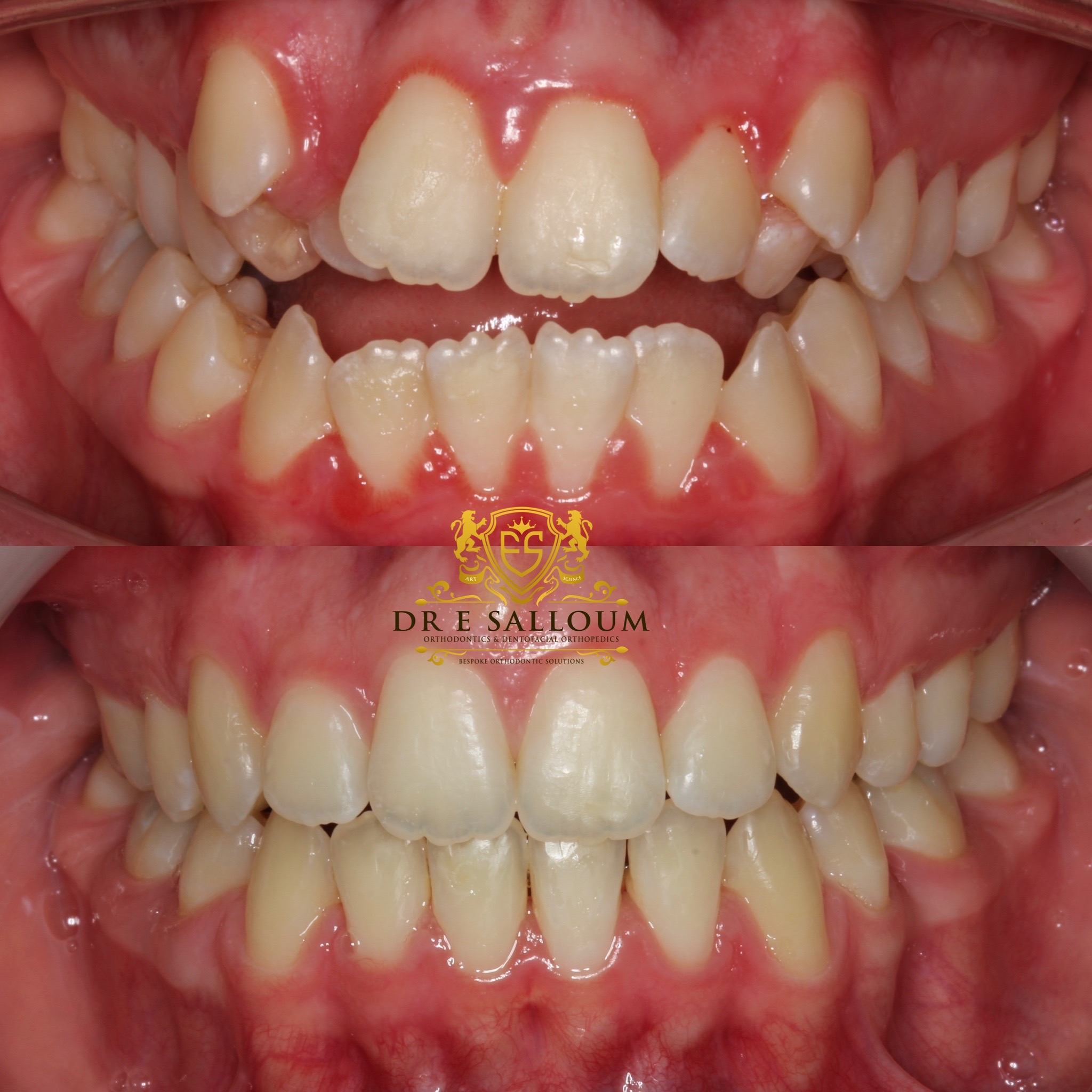
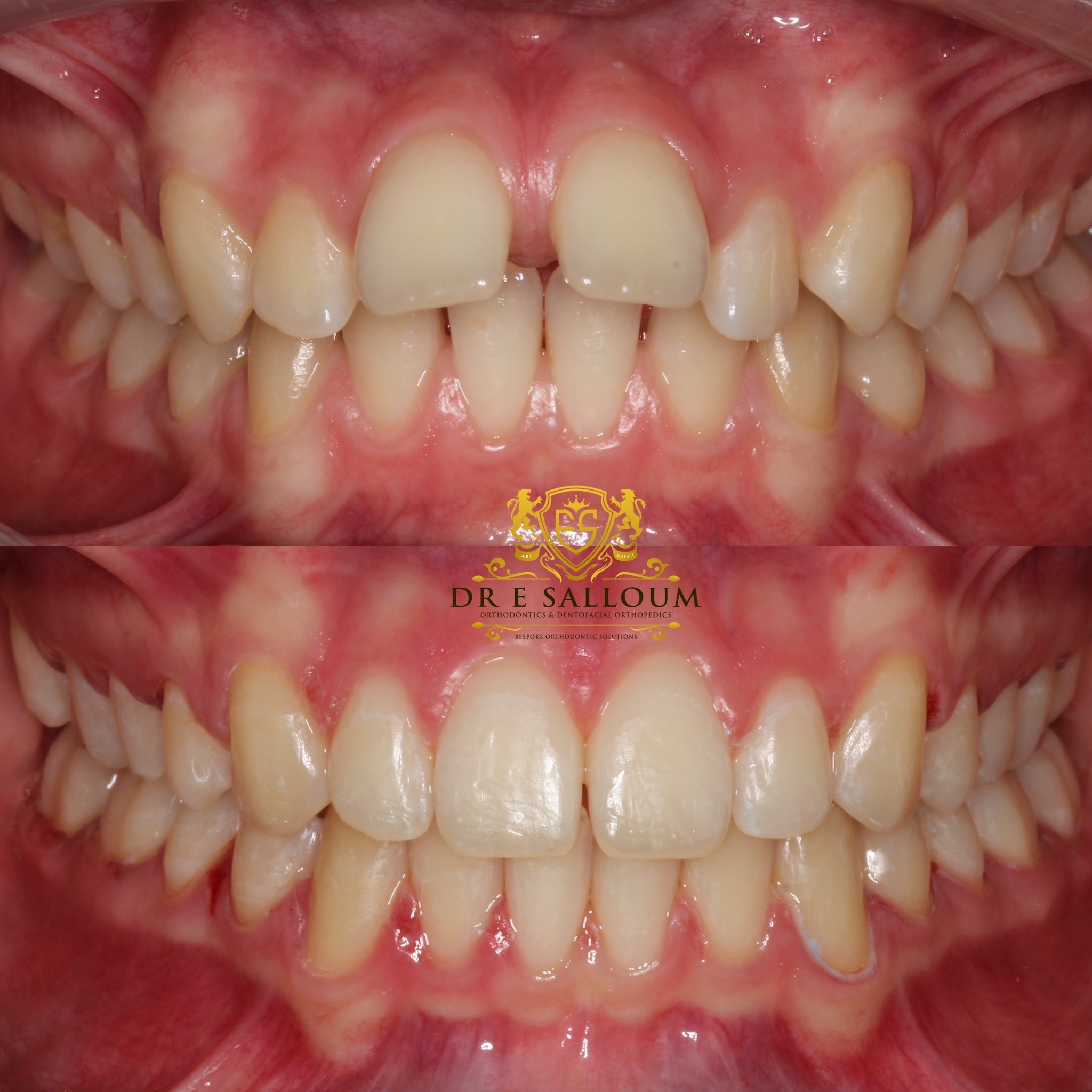
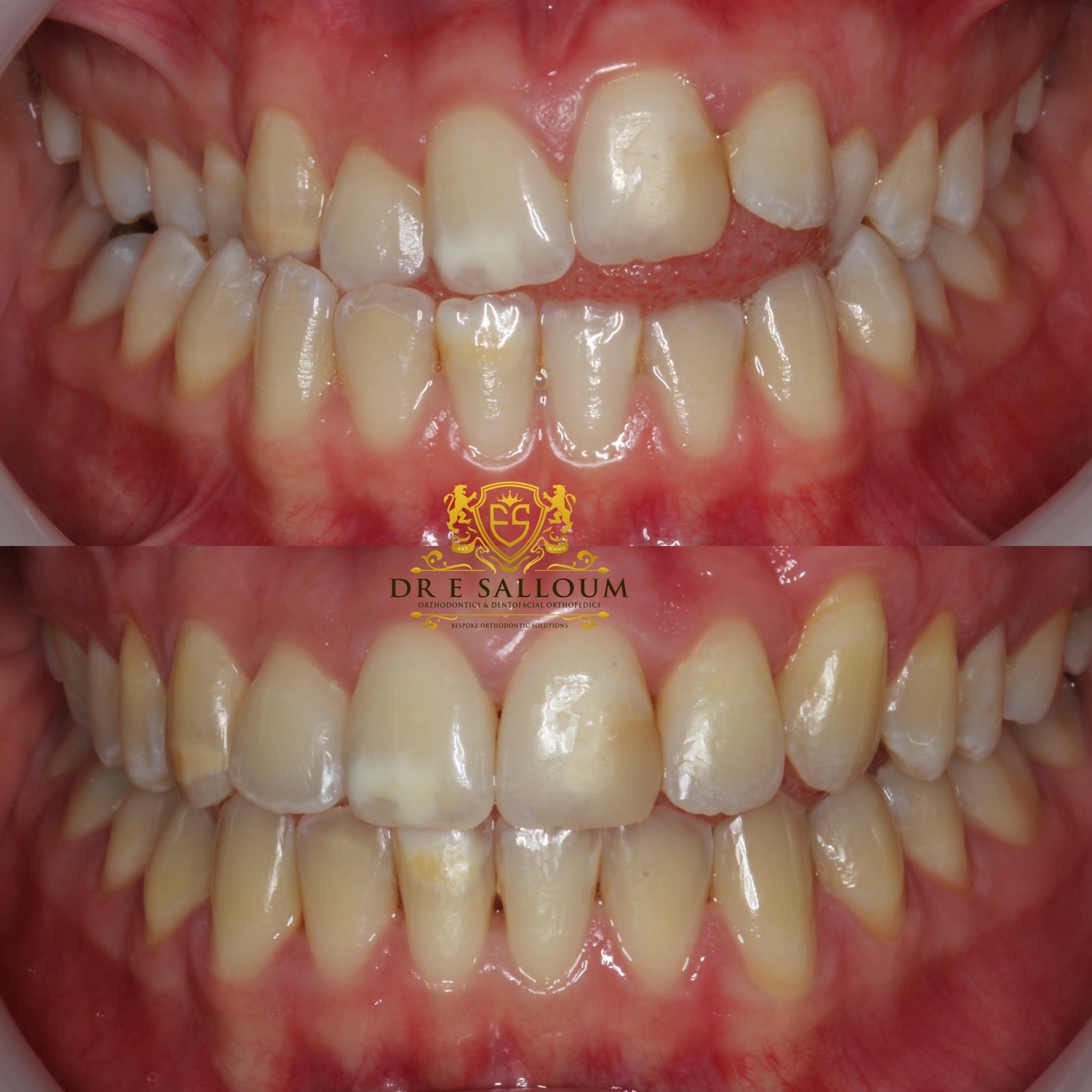
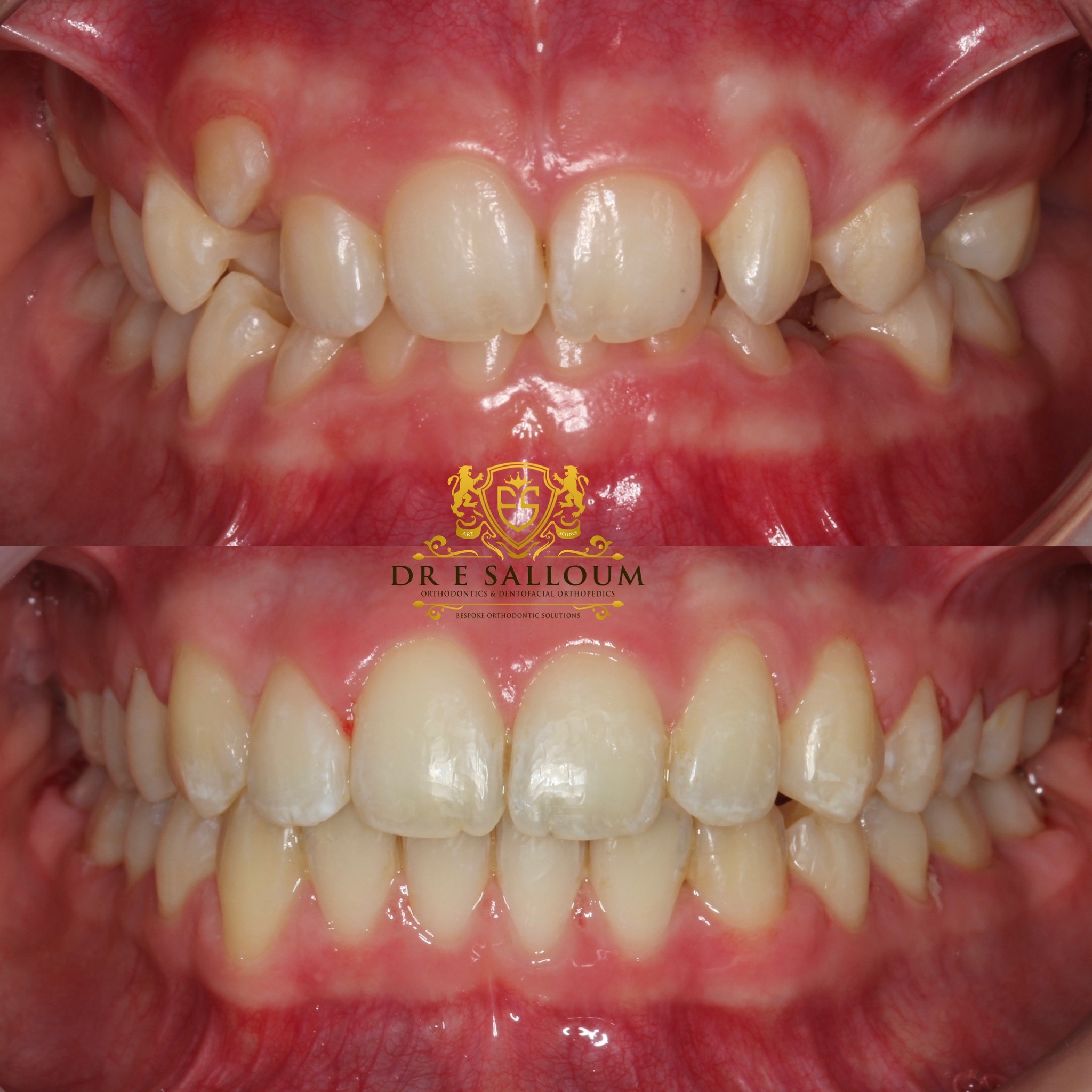
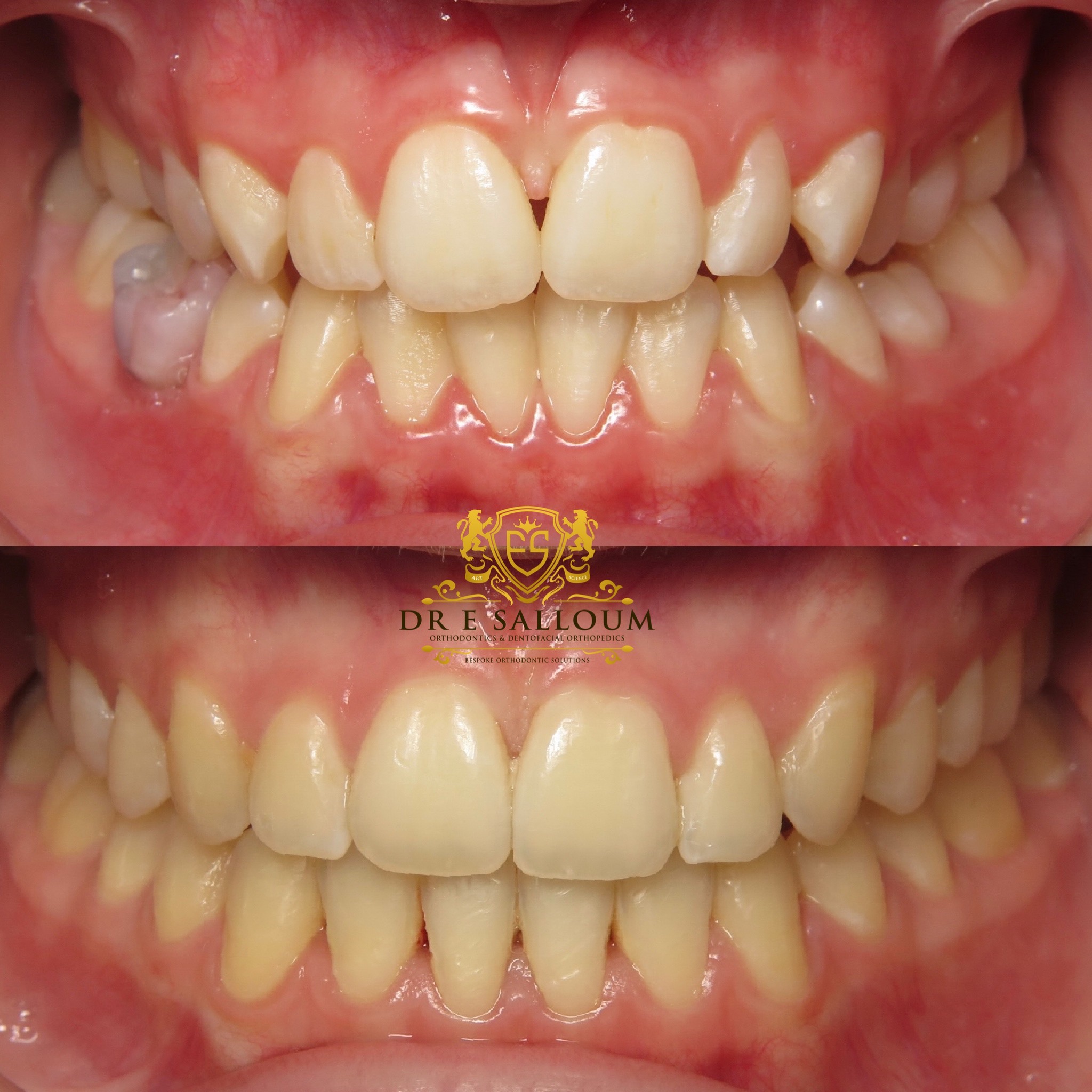
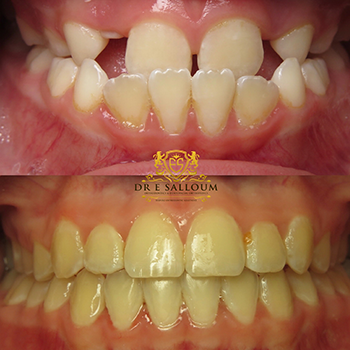
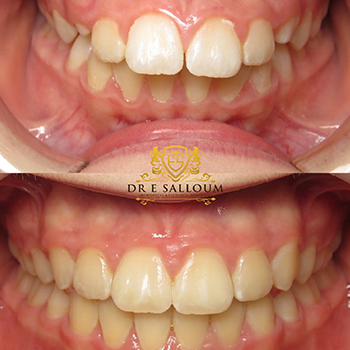
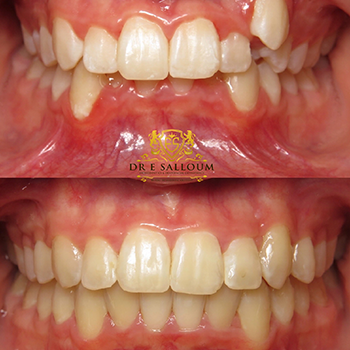
When researching orthodontic treatment in Ireland, many patients notice a wide variation in fees.
Take in Dublin for example. For what may appear to be similar treatment, costs can range from €2,500–€3,000 in some clinics to €4,500-5500€ or more in others.
So why does this difference exist?
In simple terms, orthodontics is not a like-for-like service. More importantly, the variation comes down to differences in diagnosis, training, planning, and execution.
While lower fees may seem attractive initially, they often reflect a reduced level of assessment and treatment planning. As a result, the overall standard of care may differ significantly.
Therefore, understanding these differences is essential when choosing an orthodontist in Ireland.
Click here to check my transparent fee structure.
In Ireland, orthodontic treatment may be provided by general dentists, dentists with a special interest in orthodontics, or registered specialist orthodontists.
Importantly, a specialist orthodontist has completed several additional years of full-time postgraduate training focused exclusively on orthodontics.
This training typically includes diagnosis of complex bite problems, facial and skeletal assessment, advanced biomechanics, and long-term stability.
As a result, this difference in training directly impacts the quality, safety, and predictability of treatment.
Even within the specialty, there is variation in experience, philosophy, and ongoing development.
Although all specialists meet a high standard at qualification, not all continue to develop at the same level throughout their careers.
For example, a smaller proportion of clinicians consistently invest in advanced education, complex case management, and evolving technologies. In addition, they continuously refine finishing and long-term outcomes.
Naturally, this level of commitment requires significant time and financial investment.
Consequently, it allows the orthodontist to manage more complex problems, offer a wider range of treatment options, deliver more precise results and manage simple cases in more efficiency.
For that reason, variation in fees is both expected and justified.
Orthodontics is not simply about straightening teeth. Instead, it is fundamentally about diagnosis.
Specifically, this involves understanding why the teeth are misaligned, how the bite functions, whether skeletal discrepancies are present, and how treatment will influence facial balance.
For instance, two patients with similar crowding may require completely different treatment approaches.
In lower-cost treatment models, the focus is often limited to alignment. In contrast, specialist-led care prioritises identifying and treating the underlying cause.
Beyond diagnosis, a significant portion of the fee reflects how treatment is planned and delivered.
Typically, specialist care includes comprehensive records such as clinical photos, radiographs, and 3D scans. These are followed by detailed treatment planning before any active treatment begins.
Furthermore, precise bracket positioning and carefully controlled biomechanics are essential throughout treatment.
Although these details may not be visible at the start, they ultimately determine the quality of the final result.
It is important to distinguish between efficient treatment and simplified treatment.
On one hand, efficient treatment minimises unnecessary visits, uses well-planned mechanics, and achieves predictable outcomes.
On the other hand, simplified treatment may reduce diagnostic steps, limit options, and focus primarily on quicker alignment.
Therefore, lower fees often reflect simplification rather than true efficiency.
Modern orthodontics increasingly relies on advanced technology.
For example, this includes 3D digital scans, CBCT imaging where clinically indicated, digitally planned appliances, and high-quality materials.
As expected, these technologies improve precision, safety, and predictability. However, they also increase the cost of delivering treatment.
Orthodontic treatment usually lasts between 12 and 24 months.
During this period, the orthodontist monitors progress, adjusts mechanics, manages complications, and ensures a stable and functional outcome.
Because of this ongoing responsibility, higher fees often reflect a greater level of clinical attention and detail throughout treatment.
At this stage, it is important to distinguish between cost and value.
While lower-cost treatment may appear appealing initially, it often focuses on visible alignment alone.
In contrast, higher-value treatment considers long-term stability, facial aesthetics, and functional outcomes.
Ultimately, orthodontic treatment is not something most patients wish to repeat. Therefore, getting it right the first time is critical.
A common misconception is that patients are simply paying for braces.
In reality, braces or aligners are only tools used during treatment.
Instead, the fee reflects the orthodontist’s time, clinical judgement, training, experience, and precision over the entire course of treatment.
For this reason, orthodontics should be viewed as a specialised medical service rather than a commodity.
With increasing demand, orthodontic treatment is now offered by a wider range of providers.
However, not all providers have the same depth of training or experience.
Consequently, significantly lower fees may indicate compromises such as limited training, reduced diagnostic protocols, lower-quality materials, or less follow-up care.
Although these factors are not always obvious at the beginning, they can significantly influence the final outcome.
Orthodontic treatment is designed to last many years when carried out correctly.
However, when treatment is not performed to a high standard, problems may arise.
For example, the bite may remain incorrect, teeth may relapse, or aesthetic results may fall short.
As a result, patients often require retreatment a few years later.
At that point, treatment is typically more complex, more time-consuming, and more expensive.
In effect, the initial saving is lost, and the patient ends up paying twice.
When comparing orthodontic fees, it is important to look beyond the price alone.
Instead, consider who is planning and delivering your treatment, what level of diagnosis is involved, and whether the treatment addresses the underlying problem.
In addition, it is worth understanding what is included in the fee.
Ultimately, orthodontics is a specialist field where outcomes depend heavily on expertise and planning.
Therefore, while fees may vary, so too does the level of care.
If this resonates with you, and you would like to like to discuss your orthodontic treatment options and associated fee, Click here to book for a consultation.

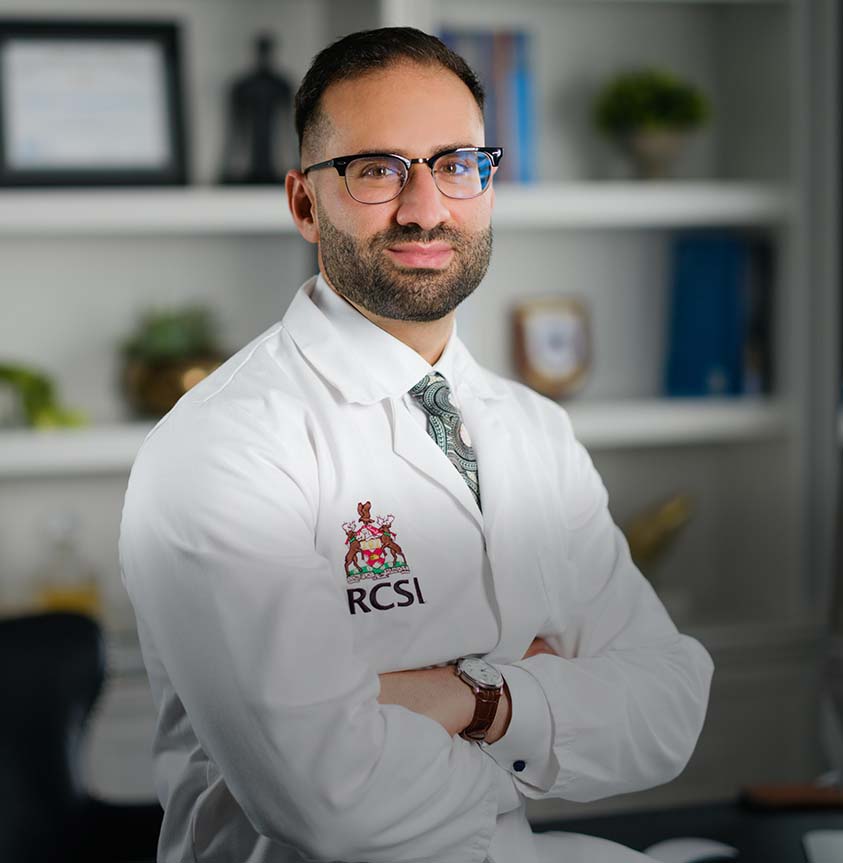
I recommend and prescribe orthodontic treatments to my patients as if they were my own family and I value meaningful relationships based on communication, confidence and trust.

“We highly recommend Dr Erfan Sallom, he transformed our daughter's teeth and she’s extremely happy with her beautiful smile! We were looking for a Orthodontist...”

“I was very anxious about orthodontic treatment and as such delayed it for years. I had no need to be nervous with the expertise and...”
“I would really recommend anyone to Dr Erfan Salloum, my experience with Erfan was amazing. I had no issue he was very knowledgeable about his...”
“I have just finished my two year orthodontic treatment with Dr Erfan and I would highly recommend. He explained everything perfectly about the treatment plan...”