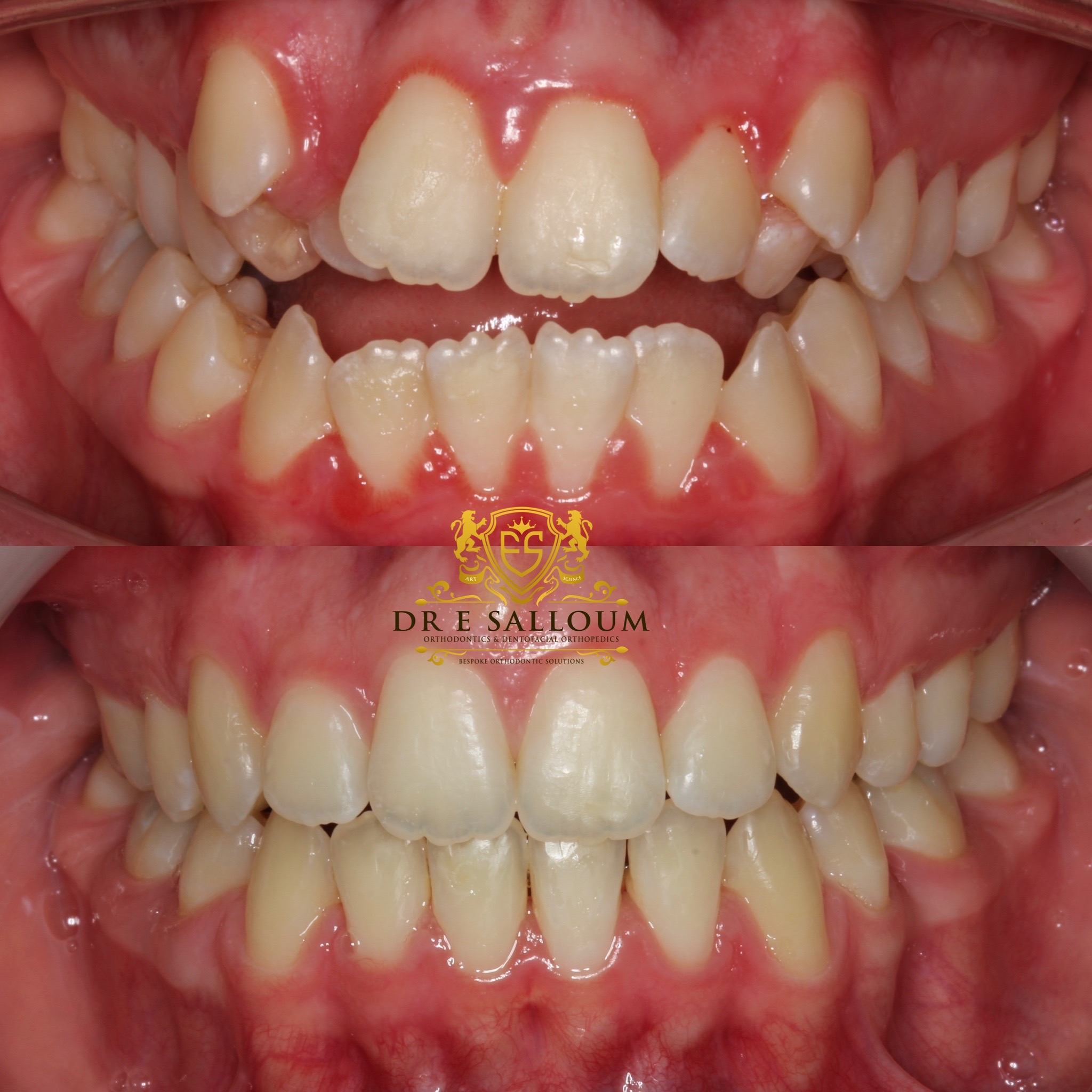
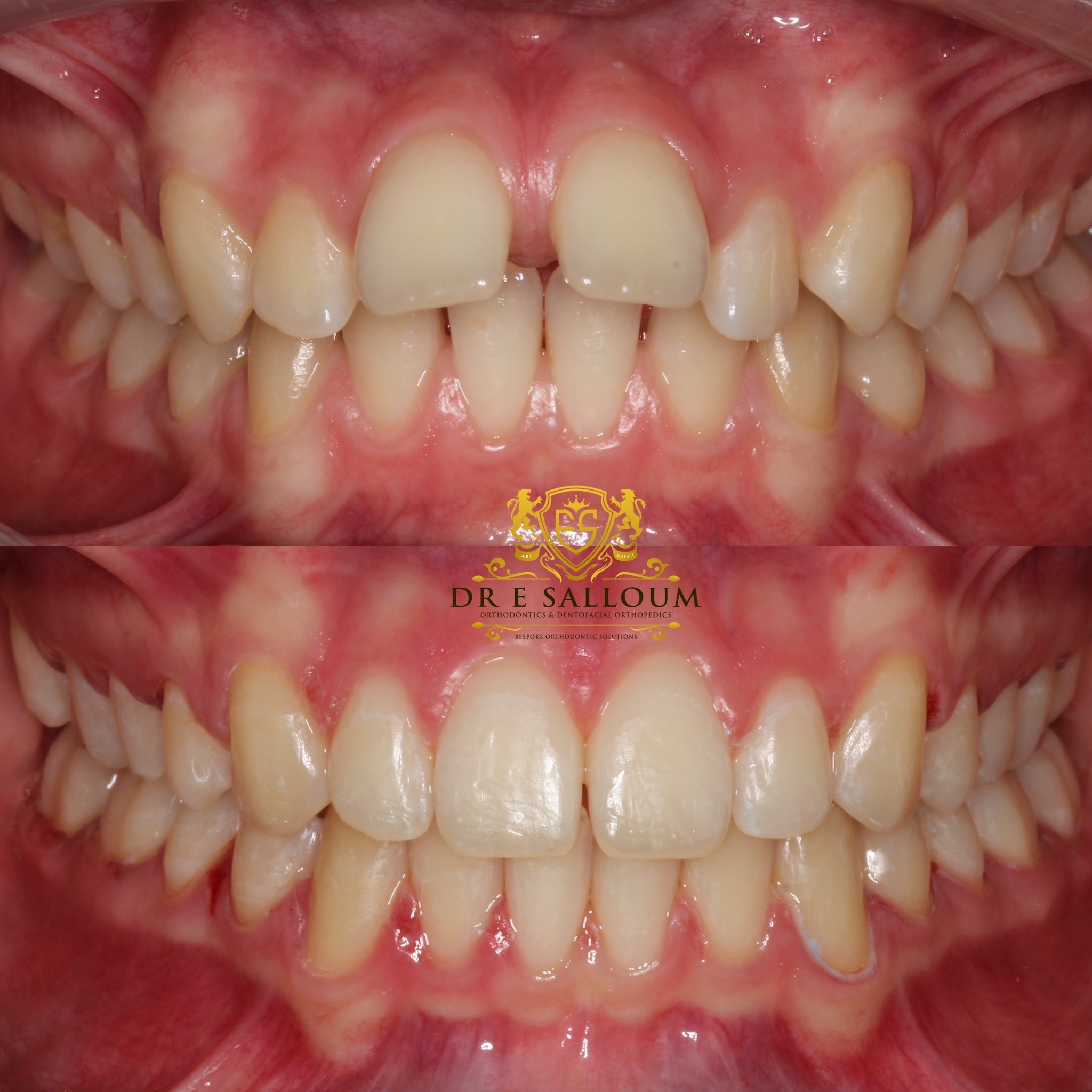
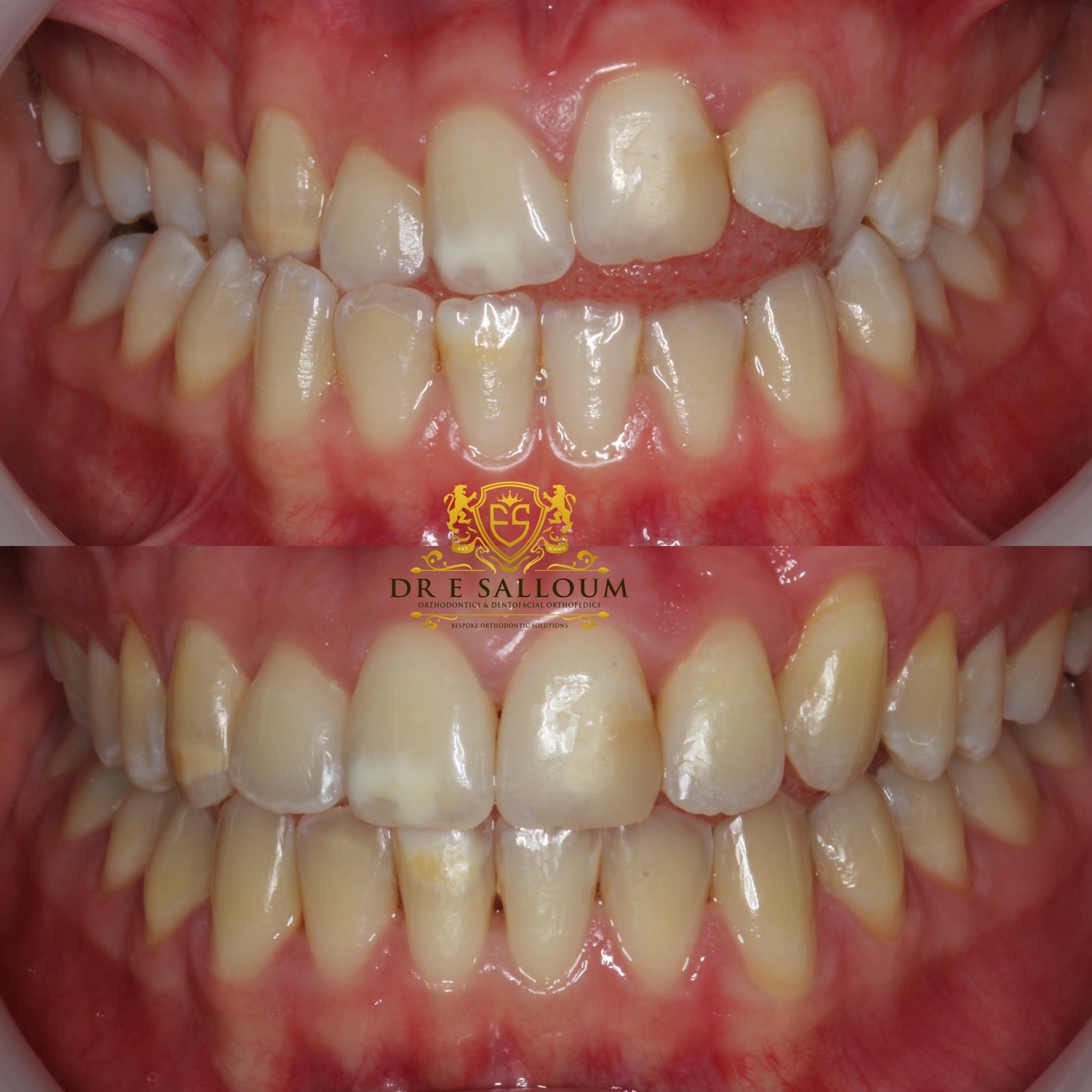
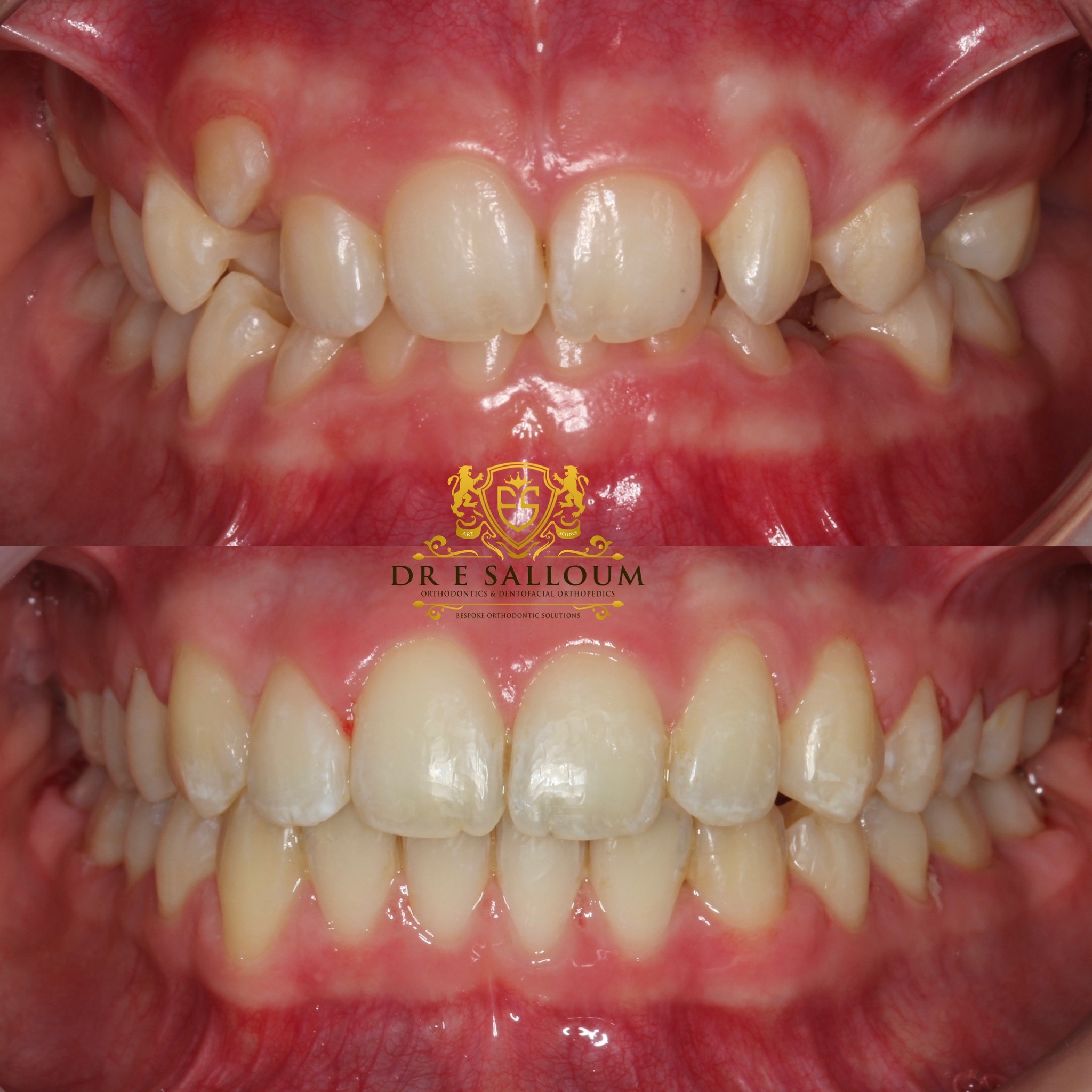
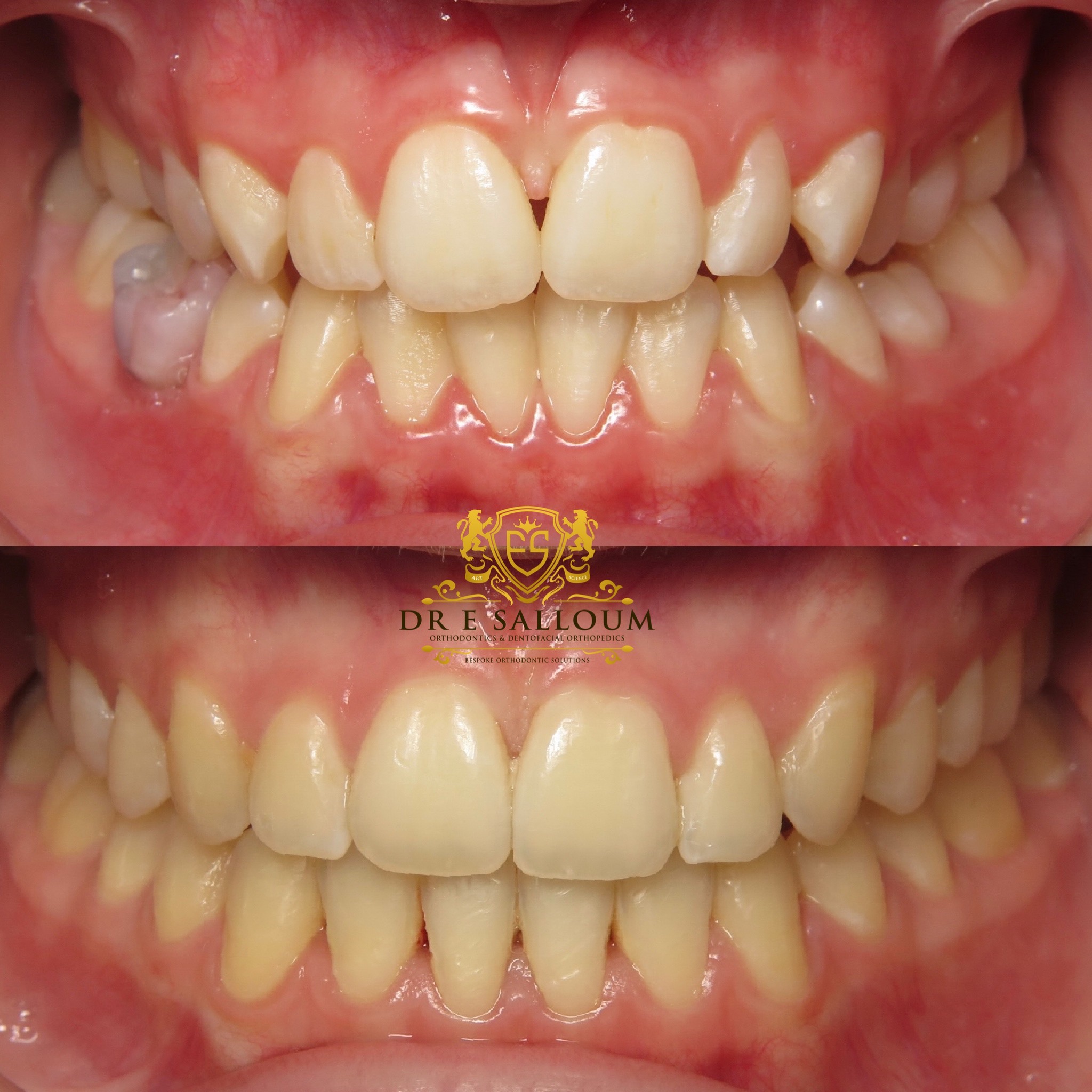
If you are searching for the best orthodontic treatment in Dublin for your child, you are not alone. Many parents want to know when treatment should start, what type of braces are best, and how to
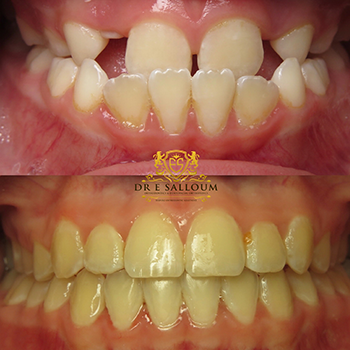
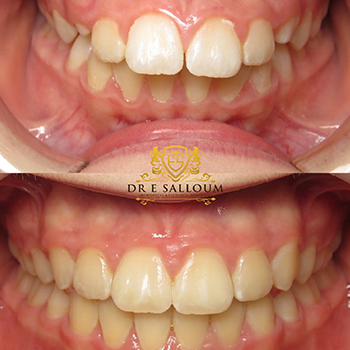
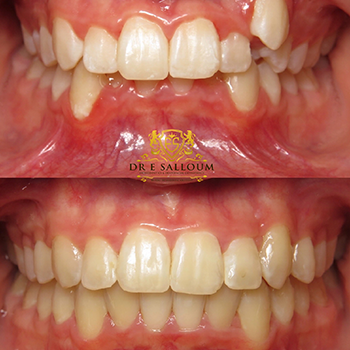
The good news is that modern orthodontics offers more options than ever before. Teenagers today can be treated with metal braces, ceramic braces, clear aligners, lingual braces, expanders, and functional appliances depending on their individual needs.
The key is simple: the best appliance is not the newest or most advertised one. It is the appliance that best suits your child’s diagnosis.
I have been providing specialist orthodontic treatment for teenagers across Dublin, including Lusk, Swords, Malahide, Skerries, Rush, Balbriggan, Donabate, Portmarnock, Dublin city centre and surrounding areas.
Click here to watch this short video discussing braces options for teenagers.
Teenagers may benefit from orthodontic treatment for many reasons, including:
Orthodontic treatment can improve dental health, bite function, smile aesthetics, and long-term stability.
There is no one-size-fits-all answer. The best braces depend on the severity of the problem, oral hygiene, compliance, and treatment goals.
Traditional metal braces remain one of the most effective options for teenage orthodontic treatment.
Often called train tracks, they are still considered the gold standard in many cases because they are efficient, reliable, and suitable for both simple and complex problems.
For many families searching for braces in Dublin, metal braces remain an excellent choice. Click here for more.
Ceramic braces work in a similar way to metal braces but use tooth-coloured brackets for a more discreet appearance.
They are popular with teenagers who want fixed braces without the look of metal brackets.
Clear aligners are removable transparent trays used to gradually move teeth.
They can be a great option for teenagers in selected cases.
In cases involving:
Fixed braces are often more efficient and predictable.
Aligners are an excellent tool when used for the right case, but they are not automatically the best option for every teenager. Click here for more.
Lingual braces are placed behind the teeth, making them virtually invisible.
They are one of the most aesthetic fixed brace options available and can be highly effective in many cases.
Lingual braces are available for suitable teenage and adult patients seeking discreet treatment.
Click here to learn more.
Some teenage cases require more than braces alone. Additional appliances may be used before or during treatment.
When the upper jaw is too narrow, expansion may be recommended.
In selected teenage patients, MARPE (mini screw assisted palatal expansion) can help widen the upper jaw more effectively by targeting skeletal expansion rather than tooth tipping alone.
This may help improve bite relationships and create space in appropriate cases.
When the lower jaw is positioned back and the front teeth are prominent, functional appliances may be considered.
These rely heavily on cooperation and wear time:
These can work well in growing teenagers when worn exactly as instructed.
These are attached to the teeth and are often more predictable:
Fixed functional appliances can be very effective for correcting large overjets while braces treatment continues.
Click here to learn more.
Temporary anchorage devices, often called mini screws or TADs, can help achieve difficult tooth movements more efficiently.
They are useful in selected complex orthodontic cases and can sometimes reduce the need for extractions or surgery.
Click here for more.
The best treatment option depends entirely on diagnosis.
That is why choosing a qualified specialist orthodontist matters. The correct appliance should be selected only after a proper clinical examination, records, and treatment planning.
My philosophy is simple:
I do not believe in treating every patient with the same brace system. We choose the most suitable appliance based on evidence, efficiency, and long-term results.
Most children should have their first orthodontic assessment around age 7, although many treatments begin later in the teenage years.
It depends on the case. Braces are often better for complex problems, while aligners can be excellent for selected mild to moderate cases.
Most teenage treatments take between 12 and 24 months, depending on complexity.
Fees vary depending on the appliance used and the complexity of treatment. A consultation is the best way to receive an accurate treatment plan and quote. For more on cost, click here.
If you are looking for trusted orthodontic treatment in Dublin for your child, I would be happy to help.
A professional consultation will help you understand:
Click here to book a consultation.
Back to Blog
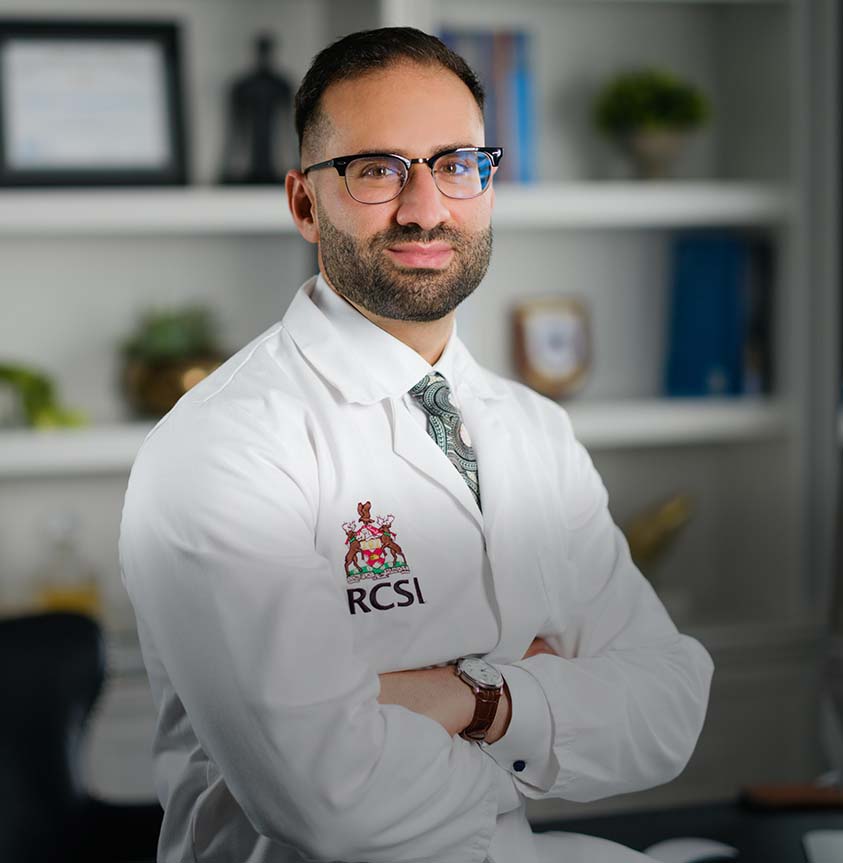
I recommend and prescribe orthodontic treatments to my patients as if they were my own family and I value meaningful relationships based on communication, confidence and trust.

“We highly recommend Dr Erfan Sallom, he transformed our daughter's teeth and she’s extremely happy with her beautiful smile! We were looking for a Orthodontist...”

“I was very anxious about orthodontic treatment and as such delayed it for years. I had no need to be nervous with the expertise and...”
“I would really recommend anyone to Dr Erfan Salloum, my experience with Erfan was amazing. I had no issue he was very knowledgeable about his...”
“I have just finished my two year orthodontic treatment with Dr Erfan and I would highly recommend. He explained everything perfectly about the treatment plan...”